
Awọn Itọsọna Aabo pataki
Jọwọ ka gbogbo awọn itọnisọna ni pẹkipẹki ṣaaju lilo ohun elo naa ki o da wọn duro fun itọkasi ọjọ iwaju. Ikuna lati tẹle awọn ilana wọnyi le ja si mọnamọna, ina, tabi ipalara nla.
- Always ensure the oven is placed on a stable, heat-resistant surface, away from flammable materials.
- Do not touch hot surfaces. Use oven mitts or gloves when handling hot items or parts.
- Unplug the oven from the outlet when not in use and before cleaning. Allow it to cool completely before handling or cleaning parts.
- Do not immerse the cord, plug, or oven in water or other liquids to protect against electrical hazards.
- Abojuto sunmọ jẹ pataki nigbati eyikeyi ohun elo ba lo nipasẹ tabi sunmọ awọn ọmọde.
- Ma ṣe ṣiṣẹ ohun elo eyikeyi pẹlu okun tabi pulọọgi ti o bajẹ, tabi lẹhin aiṣe ohun elo tabi ti bajẹ ni eyikeyi ọna.
- Rí i dájú pé afẹ́fẹ́ tó péye wà ní àyíká ààrò nígbà tí a bá ń ṣiṣẹ́. Má ṣe dí àwọn ihò afẹ́fẹ́ kankan.
- Do not place anything on top of the oven while it is operating.
- Ohun elo yii jẹ fun lilo ile nikan. Maṣe lo ni ita.
Ọja Pariview
Familiarize yourself with the components of your Bimar B719 electric oven.
Ode View
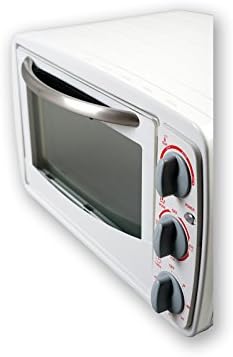
This image shows the Bimar B719 electric oven from a side angle, highlighting the control panel on the right side and the oven door handle.
Ibi iwaju alabujuto

A alaye view of the control panel, featuring three rotary knobs for temperature, cooking mode, and timer settings, along with a power indicator light.
Interior and Accessories
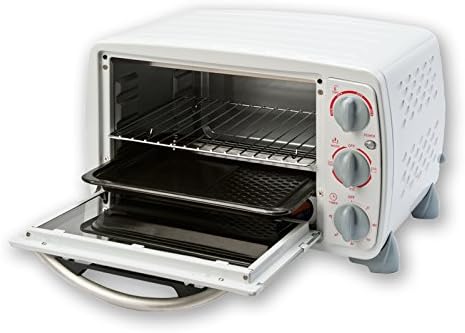
The oven interior is visible with the door open, showing the wire rack and baking tray accessories.
Afẹfẹ
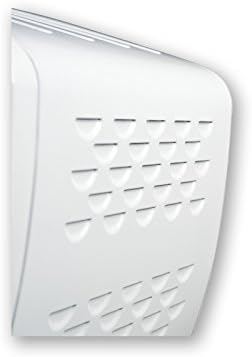
This image displays the side of the oven, showing the ventilation holes designed for heat dissipation.
Ṣeto
Follow these steps to set up your Bimar B719 electric oven for first use.
- Yọọ kuro: Carefully remove the oven and all accessories from the packaging. Retain packaging for future transport or storage if needed.
- Ibi: Place the oven on a flat, stable, and heat-resistant surface. Ensure there is at least 10-15 cm (4-6 inches) of clear space on all sides and above the oven for proper ventilation.
- Ìfọ̀mọ́ àkọ́kọ́: Mu ese inu ati ita adiro pẹlu ipolowoamp cloth. Wash the wire rack and baking tray with warm, soapy water, rinse thoroughly, and dry completely.
- Asopọ agbara: Pulọọgi okun agbara sinu iṣan itanna ti ilẹ. Rii daju voltage matches the specifications of the oven (230 Volts).
Awọn ilana Iṣiṣẹ
Learn how to use your Bimar B719 electric oven for various cooking tasks.
Ṣaaju Lilo akọkọ
Before cooking food, operate the oven empty for approximately 15 minutes at the maximum temperature setting (230°C) with the mode set to both top and bottom heating. This helps to burn off any manufacturing residues and odors. Ensure the area is well-ventilated during this process.
Iṣakoso iwọn otutu
The top rotary knob controls the oven temperature. Turn the knob clockwise to select the desired temperature, ranging from approximately 100°C to 230°C. The power indicator light will illuminate when the oven is heating.
Cooking Mode Selection
The middle rotary knob allows you to select the cooking mode. Available modes typically include:
- Paa: Ààrò ti pa.
- Igbona oke: Heats from the top elements, ideal for browning or grilling.
- Alapapo Isalẹ: Heats from the bottom elements, suitable for baking bases.
- Igbona oke ati isalẹ: Heats from both elements, for conventional baking and roasting.
Aago Išė
The bottom rotary knob functions as a timer. Turn the knob clockwise to set the desired cooking time, up to 60 minutes. The oven will automatically switch off once the set time has elapsed, indicated by an audible signal. For continuous operation, turn the timer knob to the 'Stay On' position (if available, otherwise set to maximum time and monitor manually).
Tiipa Abo Aifọwọyi
The Bimar B719 oven is equipped with an automatic safety shut-off feature. This function ensures the oven turns off after the set timer has completed, preventing overcooking and enhancing safety.
Imọlẹ inu ilohunsoke
The oven includes interior lighting, allowing you to monitor the cooking process without opening the door and losing heat. The light typically activates when the oven is in operation.
Cold Door Feature
The oven features a 'cold door' design, which helps to keep the exterior glass cooler to the touch during operation, reducing the risk of accidental burns. However, caution should still be exercised as surfaces can become hot.
Itọju ati Cleaning
Ninu deede ati itọju yoo rii daju pe igbesi aye gigun ati iṣẹ ti o dara julọ ti adiro rẹ.
- Yọọ kuro nigbagbogbo: Ṣaaju ki o to sọ di mimọ, nigbagbogbo yọọ adiro kuro ninu iṣan agbara ki o jẹ ki o tutu patapata.
- Ode Ninu: Mu ese ita gbangba pẹlu asọ, damp cloth. Do not use abrasive cleaners, scouring pads, or harsh chemicals, as these can damage the finish.
- Ninu inu: Fún inú ilé, fi ìpolówó nuamp cloth and mild detergent. For stubborn food residues, a non-abrasive oven cleaner designed for conventional ovens can be used, following the product instructions carefully. Ensure all cleaner residue is wiped away.
- Awọn ẹya ara ẹrọ: The wire rack and baking tray can be washed in warm, soapy water. Rinse thoroughly and dry completely before placing them back in the oven.
- Ilekun Gilasi: Mọ ẹnu-ọna gilasi pẹlu olutọpa gilasi tabi ipolowoamp cloth. Avoid scratching the glass.
- Maṣe Fi omi mọlẹ: Má ṣe fi omi sínú ara ààrò, okùn, tàbí kí o so omi tàbí omi mìíràn mọ́ ọn.
Laasigbotitusita
If you encounter any issues with your Bimar B719 electric oven, refer to the table below for common problems and solutions.
| Isoro | Owun to le Fa | Ojutu |
|---|---|---|
| Lọla ko ni tan. | Ko edidi ni; aiṣedeede iṣan agbara; aago ko ṣeto. | Ensure the oven is securely plugged into a working outlet. Check the circuit breaker. Set the timer knob to the desired cooking time or 'Stay On' position. |
| Ounje ko sise boṣeyẹ. | Incorrect rack position; uneven food placement; door opened too frequently. | Adjust rack position for optimal heat distribution. Arrange food evenly on the tray. Avoid opening the door unnecessarily during cooking. |
| Èéfín tàbí òórùn jíjó nígbà tí a bá kọ́kọ́ lò ó. | Awọn iṣẹku iṣelọpọ sisun ni pipa. | This is normal for the first use. Ensure good ventilation. If it persists after initial burn-off, contact support. |
| Aago ko ṣiṣẹ. | A kò ṣètò bọtini aago dáadáa. | Ensure the timer knob is turned past the 0 mark and set to a specific time. |
Awọn pato
Technical details for the Bimar B719 Electric Oven.
- Brand: Bimar
- Nọmba awoṣe: B719
- Àwọ̀: Funfun
- Agbara: 19 liters
- Agbara / Wattage: 1300 Wattis
- Voltage: 230 Volts
- Awọn iwọn ọja: 45 x 35 x 28 cm
- Ìwúwo: 7.5 kg
- Ohun elo: Dígí (ilẹ̀kùn)
- Iru Iṣakoso: Awọn iyipo Rotari
- Ara ilekun: Silẹ-isalẹ enu
- Awọn ẹya pataki: Automatic Safety Shut-off, Interior Lighting, Conventional Heating, Cold Door
Atilẹyin ọja ati Support
For information regarding warranty coverage, service, or technical support, please refer to the warranty card included with your product or contact Bimar customer service directly. Keep your proof of purchase for warranty claims.