
Pearl PETM-20
Pearl PETM-20 Elite Tambourine Instruction Manual
Model: PETM-20
1. Ifihan
Thank you for choosing the Pearl PETM-20 Elite Tambourine. This professional-grade instrument is designed for durability and exceptional sound quality, suitable for various musical settings including orchestral and studio use. This manual will guide you through the features, setup, operation, and maintenance of your new tambourine to ensure a long-lasting and enjoyable musical experience.
2. Awọn ẹya Ọja
- Professional Concert Tambourine: 10-inch diameter with a sturdy wooden frame.
- High-Quality Jingles: Features 18 pairs of stainless steel jingles for a bright and clear sound.
- Natural Tone Head: Equipped with a goat skin head that produces a warm and natural tone.
- Gbigbe ti o rọrun: Includes a carrying bag for easy transport and protection.
- Ikole ti o tọ: A high-quality and durable instrument built for demanding use.
3. Ohun ti o wa ninu Apoti
- Pearl PETM-20 Elite Tambourine
- Apo gbigbe

Figure 3.1: The included carrying bag for your Pearl PETM-20 Elite Tambourine.
4. Eto
The Pearl PETM-20 Elite Tambourine is designed for immediate use with minimal setup.
- Ṣii silẹ: Carefully remove the tambourine from its carrying bag.
- Ayewo: Inspect the tambourine for any visible damage or loose components. Ensure all 18 pairs of stainless steel jingles are securely in place.
- Ipò tí a gbé dúró: For handheld playing, grip the wooden frame firmly. The tambourine is designed to be comfortable to hold for extended periods.
- Gbigbe (Aṣayan): If you intend to mount the tambourine, ensure you have a compatible percussion mount (not included). Securely attach the tambourine to the mount using the designated mounting point on the frame. Always check for stability before playing.

olusin 4.1: Top view of the Pearl PETM-20 Elite Tambourine, showing the goat skin head and Pearl logo.
5. Operating Instructions (Playing Techniques)
The Pearl PETM-20 Elite Tambourine offers a versatile range of sounds. Experiment with different techniques to achieve your desired percussive effects.
- Gbigbọn: Hold the tambourine by the frame and shake it rhythmically to produce a continuous jingle sound. Vary the speed and intensity of your shake for different dynamics.
- Striking the Head: Use your hand (palm or fingertips) to strike the goat skin head.
- A strike near the center will produce a deeper, more resonant tone.
- A strike closer to the rim will yield a higher-pitched, sharper sound.
- Combine striking with shaking for a fuller sound.
- Thumb Roll: For a sustained, shimmering sound, moisten your thumb slightly and rub it along the edge of the goat skin head. This technique causes the jingles to vibrate continuously.
- Knee/Hip Strike: For a strong accent, strike the tambourine against your knee or hip. Ensure you strike the frame, not directly on the head, to avoid damage.
- Dinku: To control the sustain of the jingles, you can lightly press your free hand against the jingles or the head while playing.

olusin 5.1: Isalẹ view of the Pearl PETM-20 Elite Tambourine, highlighting the stainless steel jingles.
6. Itọju
Proper care will extend the life and maintain the sound quality of your Pearl PETM-20 Elite Tambourine.
- Ninu:
- Wipe the wooden frame with a soft, dry cloth to remove dust and fingerprints.
- For the goat skin head, use a slightly damp cloth if necessary, but avoid excessive moisture. Allow it to air dry completely.
- The stainless steel jingles can be polished with a soft cloth. Avoid abrasive cleaners.
- Ibi ipamọ: Store the tambourine in its included carrying bag when not in use to protect it from dust, moisture, and physical damage. Keep it in a climate-controlled environment, away from extreme temperatures or humidity, which can affect the goat skin head.
- Head Care: The natural goat skin head may react to changes in humidity. If the head becomes too loose (dull sound), a slight increase in humidity can help. If it becomes too tight (high-pitched, choked sound), a slight decrease in humidity can help. Avoid direct sunlight or heat sources.
7. Laasigbotitusita
If you encounter any issues with your tambourine, refer to the following common solutions:
- Dull or Muffled Sound:
- Check if the goat skin head is too loose. Adjust humidity as described in the Maintenance section.
- Ensure no foreign objects are dampening the jingles.
- Jingles Not Responding:
- Verify that the jingles are not bent or obstructed. Gently adjust them if necessary.
- Ensure your playing technique is sufficient to activate the jingles.
- Cracked Frame or Head:
- Discontinue use if the frame is cracked to prevent further damage or injury.
- Small tears in the goat skin head may be repairable by a professional instrument technician. Significant damage may require head replacement.
8. Awọn pato
| Iwa | Ẹ̀kúnrẹ́rẹ́ |
|---|---|
| Brand | Pearl |
| Orukọ awoṣe | PETM-20 Tambourine |
| Nọmba Awoṣe Nkan | PETM-20 |
| Ohun elo ara | Wooden Frame, Metal Jingles (Clarified from JSON 'Metal' based on product description) |
| Jingle Material | Irin ti ko njepata |
| Ohun elo ori | Goat Skin |
| Number of Jingle Pairs | 18 |
| Iwọn opin | 10 inches |
| Iwọn Nkan | 1 iwon |
| Àwọ̀ | Black (Frame Finish) |
| Awọn irinše to wa | PETM-20 Tambourine, Carrying Bag |
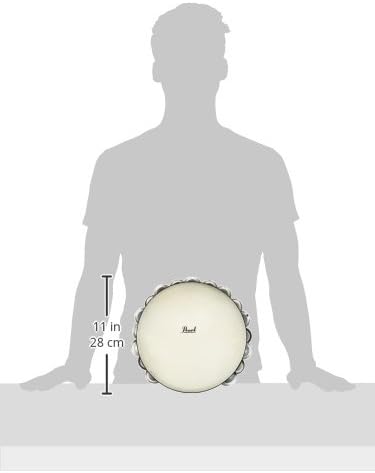
Figure 8.1: Approximate dimensions of the Pearl PETM-20 Elite Tambourine.
9. Awọn fidio ọja osise
No official product videos from the seller specifically demonstrating the Pearl PETM-20 Elite Tambourine were available for inclusion in this manual.
10. Atilẹyin ọja ati Support
For warranty information, technical support, or service inquiries regarding your Pearl PETM-20 Elite Tambourine, please refer to the manufacturer's official webojula tabi kan si wọn onibara iṣẹ Eka. Jeki ẹri rira rẹ fun eyikeyi awọn ibeere atilẹyin ọja.
Ask a question about this manual
Ask about setup, troubleshooting, compatibility, parts, safety, or missing instructions. Manuals+ will review the question and use this page’s manual context to help answer it.