
1. Ọja Ipariview
The Gewiss GW96602 is a compact monostable relay designed for various electrical switching applications. This relay features a single normally open (1NA) contact, rated for 16 Amperes, and operates on a 24 Volt supply. It is suitable for integration into control circuits where reliable switching is required.
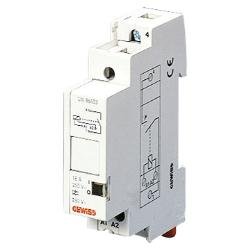
Image 1.1: The Gewiss GW96602 monostable relay, a compact electrical component designed for switching applications.
Awọn ẹya pataki pẹlu:
- Monostable operation
- 1 Normally Open (1NA) contact configuration
- 16A current rating
- 24V ṣiṣẹ voltage
2. Alaye Aabo
Please read and understand all safety instructions before installing or operating the Gewiss GW96602 relay. Failure to follow these instructions may result in electric shock, fire, or serious injury.
- Ewu Itanna: Installation and wiring should only be performed by qualified personnel. Ensure power is disconnected before any installation or maintenance work.
- Voltage ibamu: This relay is designed for 24V operation. Connecting it to a higher voltage supply will damage the unit and may pose a safety risk.
- Idiwon lọwọlọwọ: Do not exceed the 16A current rating of the contacts. Overloading can cause overheating and potential fire hazards.
- Awọn ipo Ayika: Install the relay in a dry environment, protected from moisture, dust, and extreme temperatures.
- Awọn isopọ to ni aabo: Ensure all electrical connections are tight and secure to prevent arcing and overheating.
3. Package Awọn akoonu
Upon opening the package, verify that all components are present and undamaged. The standard package for the Gewiss GW96602 relay typically includes:
- 1x Gewiss GW96602 Monostable Relay
Ti awọn ohun kan ba nsọnu tabi bajẹ, jọwọ kan si olupese rẹ lẹsẹkẹsẹ.
4. Eto ati fifi sori
Proper installation is crucial for the safe and reliable operation of the Gewiss GW96602 relay.
- Ge Agbara: Before beginning any installation, ensure that the main power supply to the circuit where the relay will be installed is completely disconnected and locked out.
- Iṣagbesori: Mount the relay securely in a suitable enclosure or on a DIN rail, if applicable, ensuring adequate ventilation. Refer to the relay's physical design for appropriate mounting methods.
- Wiring the Coil (Control Circuit):
- Connect the 24V DC or AC (depending on relay variant, typically DC for this type) control voltage to the coil terminals of the relay. These terminals are usually marked A1 and A2.
- Ensure correct polarity if it is a DC coil (A1 positive, A2 negative), though many small relays are non-polarised. Consult the relay's markings for specific polarity requirements.
- Wiring the Contacts (Load Circuit):
- Connect the load circuit to the normally open (NO) contact terminals. For a 1NA relay, there will be a common terminal (often marked COM or 11) and a normally open terminal (often marked NO or 14).
- Connect one side of the load (e.g., a light, motor, or other device) to the NO terminal.
- Connect the other side of the power supply for the load to the COM terminal.
- Rii daju pe lọwọlọwọ fifuye ko kọja 16A.
- Jẹrisi Awọn isopọ: Double-check all wiring for correctness, tightness, and insulation integrity.
- Pada Agbara pada: Once all connections are verified, restore power to the control circuit and then to the load circuit.
Note: Specific terminal markings may vary. Always refer to the markings on the relay itself for precise connection points.
5. Awọn ilana Iṣiṣẹ
The Gewiss GW96602 is a monostable relay, meaning its contacts change state only when the coil is energized and return to their original state when the coil is de-energized.
- Gbigbe okun: When 24V is applied across the coil terminals (A1 and A2), an electromagnetic field is generated. This field pulls the armature, causing the normally open (NO) contact to close. This completes the load circuit, allowing current to flow to the connected device.
- Mimu okun kuro: When the 24V supply to the coil is removed, the electromagnetic field collapses. A spring mechanism returns the armature to its original position, causing the normally open (NO) contact to open. This breaks the load circuit, stopping current flow to the connected device.
The relay acts as an electrically controlled switch, isolating the control circuit from the load circuit while enabling high-current switching with a low-current control signal.
6. Itọju
The Gewiss GW96602 relay is designed for long-term, maintenance-free operation under normal conditions. However, periodic inspection can help ensure continued reliability.
- Ayewo wiwo: Periodically inspect the relay for any signs of physical damage, discoloration (indicating overheating), or loose connections.
- Ninu: If installed in a dusty environment, gently clean the exterior of the relay with a dry, soft cloth. Do not use liquid cleaners or solvents.
- Iduroṣinṣin asopọ: Ensure all terminal screws remain tight. Loose connections can lead to increased resistance, heat buildup, and potential failure.
Note: The relay is a sealed unit and is not user-serviceable. Do not attempt to open or repair the relay.
7. Laasigbotitusita
If the Gewiss GW96602 relay is not functioning as expected, perform the following basic troubleshooting steps:
- No Operation (Coil Not Energizing):
- Verify that the 24V control voltage is present at the coil terminals (A1 and A2).
- Check for loose or incorrect wiring in the control circuit.
- Ensure the control switch or signal source is functioning correctly.
- Load Not Switching (Contacts Not Closing):
- Confirm that the coil is energizing (a faint click might be audible, or a visual indicator if present).
- Check the wiring of the load circuit, especially connections to the COM and NO terminals.
- Verify that the load itself is functional and not drawing excessive current (which could indicate a short or overload).
- Ensure the load voltage is present and correct.
- Igbóná púpọ̀:
- Ge asopọ agbara lẹsẹkẹsẹ.
- Check if the load current exceeds the 16A rating.
- Inspect for loose connections, which can cause localized heating.
- Ensure adequate ventilation around the relay.
If troubleshooting steps do not resolve the issue, the relay may be faulty and require replacement. Do not attempt to repair a damaged relay.
8. Awọn pato
| Iwa | Iye |
|---|---|
| Brand | Gewiss |
| Nọmba awoṣe | GW96602 |
| Olupese Apá Number | GW96602 |
| Ipo Iṣiṣẹ | Automatic (Monostable) |
| Olubasọrọ iṣeto ni | 1 Normally Open (1NA) |
| Ti isiyi Rating | 16A |
| Awọn ọna Voltage | 24V |
| Package Mefa | 8 x 6 x 2 cm |
| Iwọn Nkan | 80 giramu |
| ASIN | B0085ADCMK |
| International Ìwé Code | 08011564063815 |
9. Atilẹyin ọja ati Support
Gewiss products are manufactured to high standards and are typically covered by a manufacturer's warranty against defects in materials and workmanship. Specific warranty terms and duration may vary by region and retailer.
- Awọn ibeere Atilẹyin ọja: For warranty service, please retain your proof of purchase and contact the retailer or distributor from whom you purchased the product.
- Oluranlowo lati tun nkan se: For technical assistance or further inquiries regarding the Gewiss GW96602 relay, please refer to the official Gewiss webaaye tabi kan si awọn ikanni atilẹyin alabara wọn.
- Awọn ohun elo: Information regarding the availability of spare parts for this specific model is not readily available. Please contact Gewiss support for inquiries about components.