
Pitsco Education BG39069
Pitsco Education TETRIX MAX 416 mm Aluminum C-Channel Instruction Manual
Awoṣe: BG39069
Brand: Pitsco Education
1. Ifihan
This manual provides essential information for the Pitsco Education TETRIX MAX 416 mm Aluminum C-Channel, Model BG39069. This component is designed as a fundamental structural element for TETRIX robotics projects, suitable for students and educators in STEM fields.
The 416 mm Aluminum C-Channel serves as a robust base for constructing various robotic platforms and superstructures. Its design facilitates versatile connections and custom modifications, making it an integral part of the TETRIX building system.
2. Key Awọn ẹya ara ẹrọ
- Structural Foundation: Acts as the primary structural base for the TETRIX MAX robotic building system, supporting platforms and superstructures.
- Ohun elo ti o tọ: Constructed from sturdy 7005 aircraft-grade aluminum, offering resistance to corrosion and tarnishing while maintaining a lightweight profile.
- Asopọmọra Wapọ: Features a repeating 16 mm hole pattern that allows for secure connections at various angles, both horizontally and vertically, with other TETRIX components.
- Aṣeṣe: Can be cut to specific lengths, drilled for additional holes, or bent to create custom designs, providing flexibility for diverse project requirements.
- Awọn iwọn: Measures 32 mm x 32 mm x 416 mm (Height x Width x Length).
- Ìwúwo: O fẹrẹ to giramu 162.1.
3. Package Awọn akoonu
The package for Model BG39069 contains the following item:
- One (1) Pitsco Education TETRIX MAX 416 mm Aluminum C-Channel
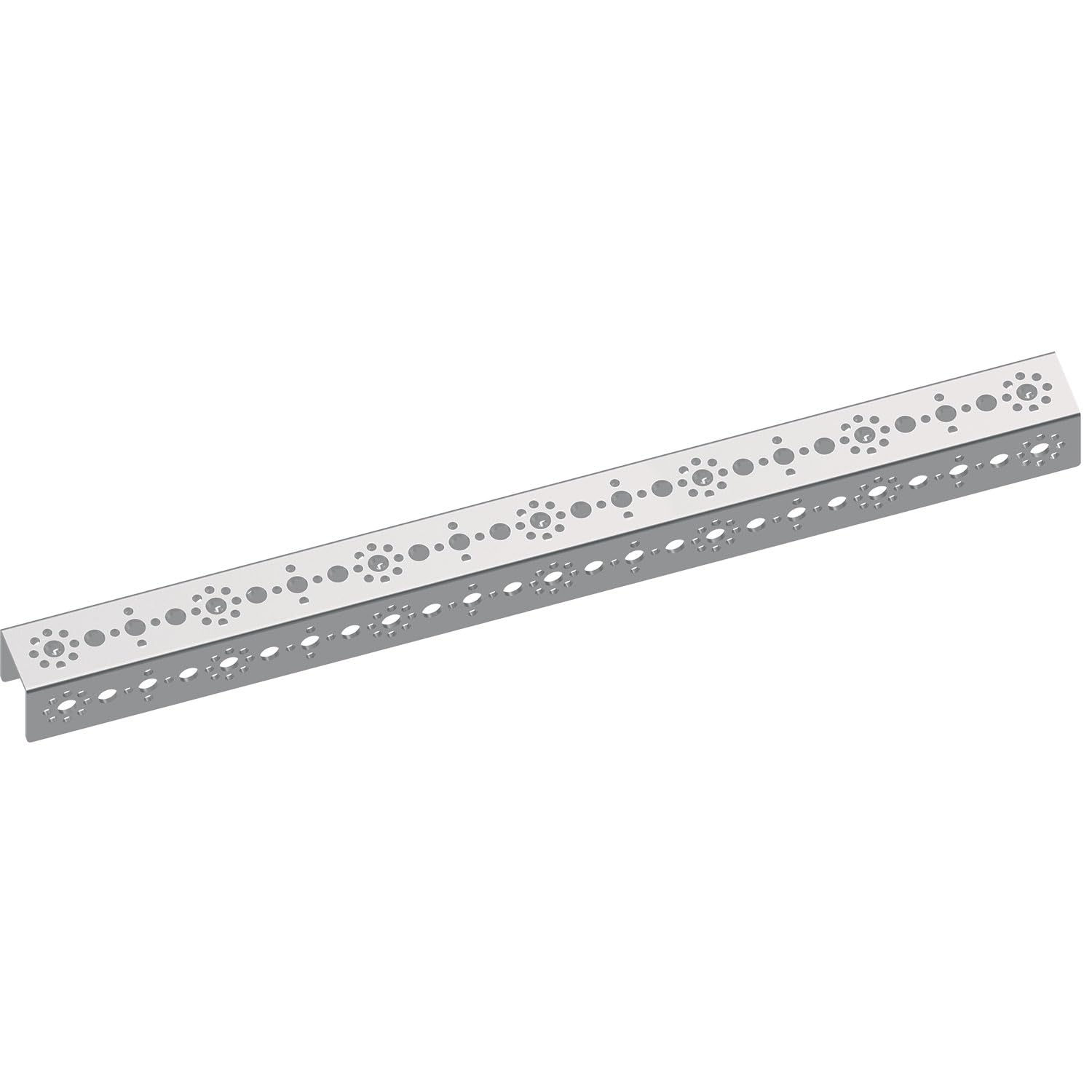
Image 3.1: The Pitsco Education TETRIX MAX 416 mm Aluminum C-Channel.
4. Eto ati Apejọ
The TETRIX MAX 416 mm Aluminum C-Channel is designed for integration into larger robotic structures. Its repeating hole pattern is compatible with other TETRIX components, allowing for secure and precise connections.
- Eto: Before assembly, plan the structural layout of your robot. The C-channel forms the primary framework.
- Awọn aaye Asopọmọra: Utilize the 16 mm repeating hole pattern to attach other TETRIX components such as brackets, motors, and sensors. Ensure all connections are secure using appropriate fasteners (not included).
- Isọdi: If custom lengths or shapes are required, the aluminum channel can be cut using a metal-cutting blade or bent. Drilling additional holes is also possible for specialized applications.
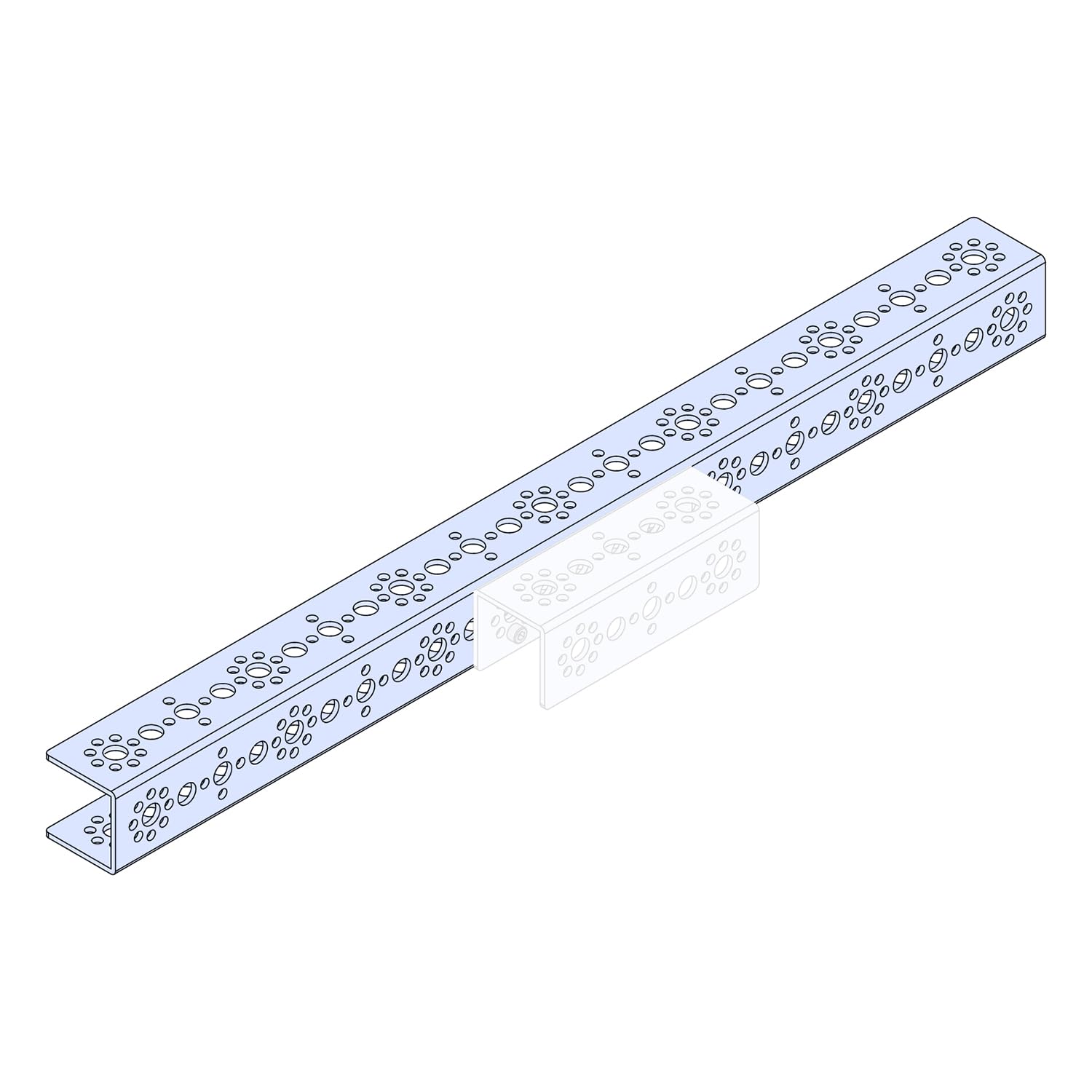
Aworan 4.1: Example of connecting two TETRIX MAX C-Channels.

Image 4.2: C-Channels integrated into a structural frame for a robotics project.
5. Usage in Robotics Projects
The TETRIX MAX C-Channel is a versatile component for various robotics and engineering projects. It provides the necessary rigidity and mounting points for complex designs.
- Ikole ẹnjini: Forms the primary chassis or frame for mobile robots, providing a stable base for wheels, tracks, and other drive components.
- Arm and Manipulator Structures: Can be used to build robust robotic arms, grippers, and other manipulators due to its strength and ability to be cut and bent.
- Sensor and Actuator Mounting: The hole pattern allows for easy and secure mounting of various sensors, motors, and other electronic components.
- Educational Applications: Ideal for demonstrating STEM concepts, including engineering principles, simple machines, force, and Newton's laws of motion through hands-on robot building.

Image 5.1: A complex robot assembly demonstrating the use of TETRIX MAX C-Channels as structural elements.
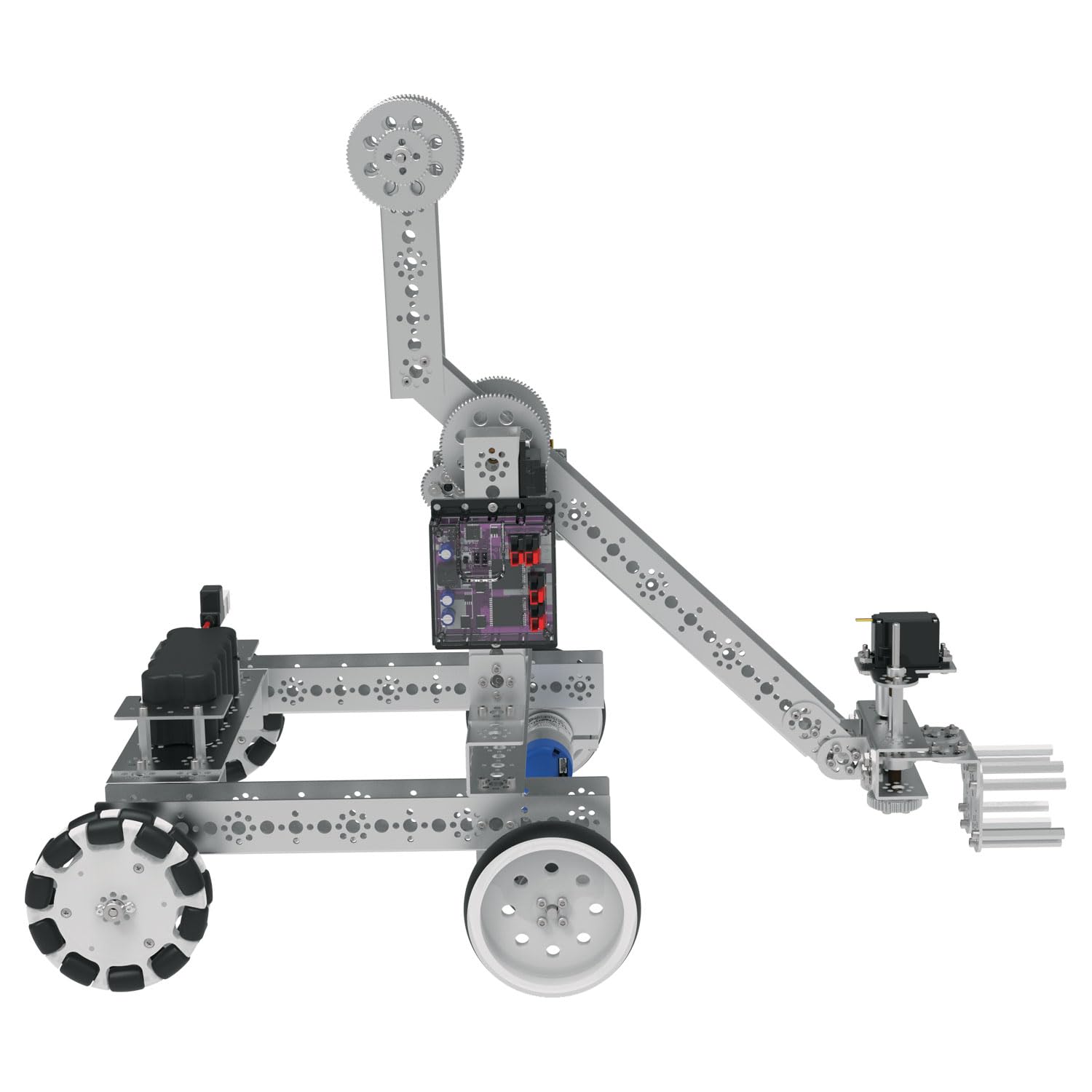
Image 5.2: A robot chassis and arm structure constructed using TETRIX MAX C-Channels.

Image 5.3: Students engaged in assembling a robot, utilizing TETRIX MAX C-Channels for the frame.
6. Itọju
The aluminum C-channel requires minimal maintenance due to its durable construction and corrosion-resistant properties.
- Ninu: Wipe the channel with a dry or slightly damp cloth to remove dust and debris. Avoid abrasive cleaners that could scratch the surface.
- Ayewo: Periodically inspect the channel for any signs of damage, such as bends, cracks, or excessive wear, especially if it has been subjected to stress or impact.
- Ibi ipamọ: Store the channel in a dry environment to prevent any potential long-term degradation, although aluminum is highly resistant to environmental factors.
7. Laasigbotitusita
While the C-channel is a passive structural component, issues can arise from improper use or assembly.
- Awọn isopọ alaimuṣinṣin: If a structure feels unstable, check all fasteners connecting the C-channel to other components. Tighten any loose screws or bolts.
- Aṣiṣe: Ensure that the hole patterns align correctly when connecting multiple channels or components. Forcing misaligned parts can cause damage.
- Iduroṣinṣin Igbekale: If the channel appears bent or damaged, it may compromise the overall integrity of the robot. Replace severely damaged channels to maintain structural stability.
8. Awọn pato
| Nọmba awoṣe | BG39069 |
| Ohun elo | 7005 Aircraft-Grade Aluminum |
| Awọn iwọn (L x W x H) | 416 mm x 32 mm x 32 mm (16.4 x 1.26 x 1.26 inches) |
| Iwọn | 162.1 giramu (5.72 iwon) |
| Àpẹẹrẹ Iho | 16 mm repeating pattern |
| Sisanra | 2 mm |
| Niyanju Ọjọ ori | Ọmọ ọdun 8 ati loke (fun lilo ẹkọ) |

Image 8.1: Detailed dimensional drawing of the 416 mm C-Channel, showing measurements and hole pattern.
9. Atilẹyin ati Atilẹyin ọja
For technical support, product inquiries, or information regarding warranty terms, please contact Pitsco Education directly.
Visit the official Pitsco Education weboju opo wẹẹbu fun awọn alaye olubasọrọ ati awọn orisun afikun: www.pitsco.com
Ask a question about this manual
Ask about setup, troubleshooting, compatibility, parts, safety, or missing instructions. Manuals+ will review the question and use this page’s manual context to help answer it.