
Ọrọ Iṣaaju
This manual provides detailed instructions for the safe and efficient operation, setup, and maintenance of your Lelit PL62T Mara PID HX Espresso Machine. Please read this manual thoroughly before using the appliance to ensure proper function and longevity.
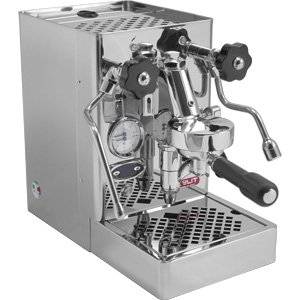
olusin 1: Iwaju view of the Lelit PL62T Mara PID HX Espresso Machine, showcasing rẹ alagbara, irin pari ati iṣakoso nronu.
1. Eto
1.1 Ṣiṣii silẹ
Carefully remove the espresso machine from its packaging. Retain all packaging materials for future transport or service. Inspect the machine for any signs of damage during transit. If damage is found, contact your retailer immediately.
1.2 Ni ibẹrẹ Cleaning
Before first use, clean the water tank, drip tray, and portafilter with warm water and a mild detergent. Rinse thoroughly with clean water. Wipe the exterior of the machine with a damp asọ.
1.3 Omi ojò nkún
- Yọ ojò omi kuro ni ẹhin ẹrọ naa.
- Fill the tank with fresh, filtered water up to the MAX level indicator. Avoid using distilled or demineralized water as it can affect sensor readings.
- Carefully reinsert the water tank, ensuring it is properly seated.
1.4 Asopọ agbara
Ensure the machine's power switch is in the OFF position. Plug the power cord into a grounded electrical outlet. The machine operates on standard household voltage.
1.5 Lilo Akọkọ ati Ipilẹṣẹ
- Turn the machine ON. The machine will begin to heat up.
- Once the machine reaches operating temperature (indicated by the PID display), place a cup under the hot water wand.
- Open the hot water valve to dispense approximately 200ml of water. This primes the boiler and ensures proper water flow.
- Close the hot water valve. The machine is now ready for use.
2. Awọn ilana Iṣiṣẹ
2.1 Titan / Pa a
- To turn ON: Flip the main power switch located on the front or side of the machine. The PID display will illuminate, and the machine will begin heating.
- To turn OFF: Flip the main power switch to the OFF position.
2.2 PID Temperature Adjustment
The PID controller allows precise adjustment of the boiler temperature. Refer to the specific PID controller instructions for detailed programming. Generally, press the 'P' button to enter programming mode, then use the '+' and '-' buttons to adjust the desired temperature. Press 'P' again to save and exit.
2.3 Pipọnti Espresso
- Ensure the machine is heated to the desired temperature.
- Grind fresh coffee beans to an espresso-fine consistency.
- Dose the portafilter with the appropriate amount of ground coffee (e.g., 14g for a double shot).
- Tamp kọfí náà pẹ̀lú ìfúnpá líle.
- Fi portafilter sinu ori ẹgbẹ ki o tii si aaye.
- Place your espresso cup(s) under the portafilter spouts.
- Lift the brew lever to start the extraction.
- Monitor the shot for optimal flow and color. Lower the brew lever to stop the extraction when the desired volume is reached (typically 25-30 seconds for 30-60ml).
- After brewing, remove the portafilter, discard the spent coffee grounds, and rinse the portafilter.
2.4 Steaming Milk
- Ensure the machine is at steaming temperature.
- Purge the steam wand briefly into the drip tray to remove any condensed water.
- Immerse the tip of the steam wand just below the surface of cold milk in a stainless steel pitcher.
- Open the steam valve fully.
- Angle the pitcher to create a swirling motion, incorporating air for texture.
- Once the milk reaches the desired temperature and texture, close the steam valve.
- Lẹsẹkẹsẹ nu ọpa ti nya si pẹlu ipolowoamp cloth and purge briefly to clear any milk residue.
2.5 Gbona omi Dispense
Place a cup under the hot water wand. Open the hot water valve to dispense hot water for tea or Americanos. Close the valve when finished.
3. Itọju
3.1 Daily Cleaning
- Àlẹ̀mọ́ àti àwọn agbọ̀n: After each use, remove the portafilter, discard coffee grounds, and rinse thoroughly under hot water.
- Olori ẹgbẹ: Perform a quick backflush with the blind filter to remove coffee oils from the group head. Wipe the shower screen and group gasket with a damp asọ.
- Ohun elo Steam: Always wipe the steam wand immediately after steaming milk and purge briefly.
- Drip Atẹ: Ṣofo ati ki o fi omi ṣan omi ṣiṣan ni ojoojumọ.
3.2 osẹ Cleaning
- Omi omi: Remove and clean the water tank with warm soapy water. Rinse thoroughly.
- Backflushing with Detergent: Perform a backflush with a specialized espresso machine cleaning detergent (e.g., Cafiza) according to the detergent manufacturer's instructions.
- Shower Screen: Remove the shower screen and clean it thoroughly with a brush and detergent.
3.3 Nipasẹ
The frequency of descaling depends on your water hardness. For optimal performance, descale your machine every 2-3 months using a commercial descaling solution designed for espresso machines. Follow the descaling solution manufacturer's instructions carefully. Always rinse the machine thoroughly with several tanks of fresh water after descaling.
3.4 Rírọ́pò Gasket
The group head gasket (rubber seal) will harden over time and may need replacement to prevent leaks. Inspect it regularly for cracks or stiffness. Consider upgrading to a silicone gasket for improved longevity and easier installation.
4. Laasigbotitusita
| Isoro | Owun to le Fa | Ojutu |
|---|---|---|
| No water flow from group head | Water tank empty, pump not primed, clogged group head/shower screen, scale buildup. | Refill water tank. Prime the pump (see Section 1.5). Clean group head/shower screen. Descale the machine. |
| Ko si nya lati wand | Steam boiler not heated, steam wand clogged, low water level. | Allow machine to reach steaming temperature. Clean steam wand tip with a pin. Check water level. |
| Espresso extracts too fast (under-extraction) | Coffee ground too coarse, insufficient coffee dose, tampó fẹ́ẹ́rẹ́ jù. | Grind finer. Increase coffee dose. Tamp diẹ ṣinṣin. |
| Espresso extracts too slow or not at all (over-extraction) | Coffee ground too fine, excessive coffee dose, tample ju. | Grind coarser. Decrease coffee dose. Tamp fẹẹrẹfẹ. |
| Water leaking from group head during brewing | Worn group head gasket, portafilter not properly seated. | Replace group head gasket. Ensure portafilter is locked in firmly. |
5. Awọn pato
- Awoṣe: PL62T
- Brand: Lelit
- Irisi Ẹlẹda Kofi: Espresso ẹrọ
- Ipo isẹ: Ni kikun Aifọwọyi
- Ẹya Pataki: Programmable (PID)
- Agbara: 1.4 liters (ojò omi)
- Ohun elo: Copper, Stainless Steel
- Awọn iwọn ọja: 16 x 9 x 15 inches (Igun x Ìbú x Giga)
- Ìwọ̀n Nkan: 41.4 iwon
- UPC: 617375286665
- ASIN: B00NMU9ZRO
6. Atilẹyin ọja & Atilẹyin
6.1 atilẹyin ọja Alaye
Lelit products are covered by a manufacturer's warranty against defects in materials and workmanship. The specific terms and duration of the warranty may vary by region and retailer. Please retain your proof of purchase for warranty claims. For detailed warranty information, refer to the documentation provided with your purchase or visit the official Lelit webojula.
6.2 Onibara Support
For technical assistance, spare parts, or service inquiries, please contact your authorized Lelit retailer or the official Lelit customer support. Contact details can typically be found on the Lelit webaaye tabi ninu apoti ọja rẹ.
Note: Always refer to the official Lelit website or your purchase documentation for the most current and accurate warranty and support information.


