
Chuango PIR-926
Ìwé Ìtọ́sọ́nà Olùlò Ẹ̀rọ Ìṣípo Infrared ...
Awoṣe: PIR-926
1. Ifihan
The Chuango PIR-926 is an advanced passive infrared (PIR) motion sensor designed for outdoor security applications. It features patented infrared technology, fuzzy logic, and a sophisticated algorithm to accurately detect human body movements while effectively reducing interference and false alarms. Its dual detection capability, combining infrared and microwave sensing, enhances reliability. Equipped with a solar panel and a waterproof housing, this sensor is ideal for various outdoor environments.

Figure 1: Chuango PIR-926 Motion Sensor Overview
2. Awọn ẹya Ọja
- Improved detection algorithm, preventing false alarms through integrated infrared and microwave sensors.
- Built-in solar charger and waterproof housing, making it suitable for outdoor installation.
- Wide detection range: 8 meters with a 110-degree angle.
- Powered by a rechargeable lithium battery: 3.7 V, 1800 mAh.
- Extended standby time of up to 150 days.
- Compact detector dimensions: 186 x 200 x 125 mm (L x W x H).
- Effective frequency range: up to 80 meters in open areas.
3. irinše Loriview
Familiarize yourself with the main components of the PIR-926 motion sensor before installation.

Figure 2: Sensor Components. Includes Solar Panel, Fixing Screw, LED Indicator, Fresnel Lens, Detector, Base, and Wall Bracket.
- Igbimọ oorun: Gba agbara si batiri inu.
- Atọka LED: Pese esi ipo.
- Lẹnsi Fresnel: Focuses infrared radiation for detection.
- Oluwadi: Main sensing unit.
- Ipilẹ: Connects the detector to the mounting bracket.
- Titunṣe Skru: Secures the sensor to the bracket.
- Odi Biraketi: Used for mounting the sensor to a wall or surface.
4. Eto ati fifi sori
Proper installation is crucial for optimal performance and to minimize false alarms. Follow these steps carefully:
4.1 odi iṣagbesori
- Select a suitable location on a wall, ensuring it is within the desired detection area and receives adequate sunlight for the solar panel.
- Secure the wall bracket to the chosen surface using appropriate screws and anchors.
- Attach the sensor unit to the wall bracket, ensuring it is firmly connected and can be adjusted for optimal angle.
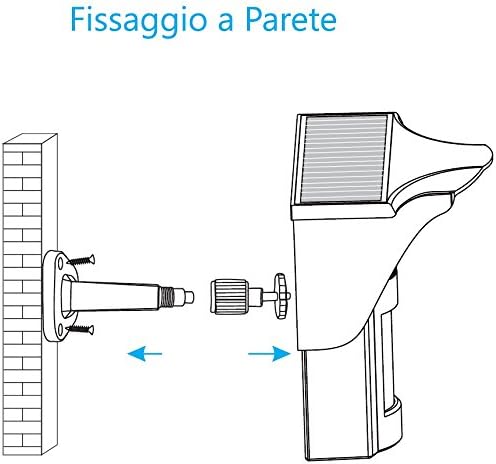
Figure 3: Wall Mounting Procedure. The sensor attaches to a bracket secured to the wall.
4.2 Optimal Placement Guidelines
To ensure accurate detection and prevent false alarms, adhere to the following placement recommendations:
- Igbesoke Giga: Install the sensor at approximately 2 meters (6.5 feet) from the ground for optimal detection coverage.
- Agbegbe Iwari: Position the sensor to cover the desired area, typically up to 8 meters with a 110-degree angle. Ensure the detection path is clear of obstructions.
- Ifojusi Imọlẹ Oorun: Mount the sensor in a location that receives direct sunlight for several hours a day to ensure the solar panel can effectively charge the internal battery.
- Yago fun Awọn Idilọwọ: Do not install the sensor where large objects like trees, bushes, or structures might block its field of view or cause false triggers due to movement.
- Ajesara Pet: While the sensor has advanced algorithms, avoid placing it at heights or angles where pets might frequently trigger it, especially if they are large.
- No Direct Heat Sources: Avoid pointing the sensor directly at heat sources, reflective surfaces, or areas with rapid temperature changes, as this can lead to false alarms.

Figure 4: Installation Best Practices. Shows correct mounting height (2m), detection pattern (8m, 110°), sunlight exposure, and incorrect placements (pets, trees, direct light/heat sources).
5. Awọn ilana Iṣiṣẹ
Once installed, the PIR-926 operates automatically. The solar panel continuously charges the internal battery, ensuring continuous operation.
- Muu ṣiṣẹ: The sensor is designed to be always active, detecting motion within its specified range.
- Iwari: When motion is detected, the sensor will trigger an alarm signal to a compatible security system. The LED indicator may flash briefly upon detection.
- Isakoso Agbara: The integrated solar panel charges the 3.7V 1800mAh lithium battery during daylight hours. The sensor can operate for up to 150 days on standby without direct sunlight once fully charged.
6. Itọju
Regular maintenance ensures the longevity and reliable operation of your PIR-926 sensor.
- Igbimọ Oorun mimọ: Lẹẹkọọkan nu nronu oorun pẹlu asọ, damp aṣọ láti yọ eruku, ẹrẹ̀, tàbí àwọn èérún kúrò tí ó lè dí agbára gbígbà lọ́wọ́.
- Clean Fresnel Lens: Gently clean the Fresnel lens with a soft, dry cloth to ensure clear detection. Avoid abrasive cleaners.
- Ṣayẹwo Igbesoke: Ensure the sensor remains securely mounted and its angle has not shifted due to weather or external factors.
- Igbesi aye batiri: The internal lithium battery is designed for long life. If the sensor's performance degrades significantly despite adequate sunlight, the battery may need replacement by a qualified technician.
7. Laasigbotitusita
| Isoro | Owun to le Fa | Ojutu |
|---|---|---|
| Frequent False Alarms |
|
|
| No Detection / Poor Detection |
|
|
| Batiri Ko dani agbara |
|
|
8. Awọn pato
| Iwa | Iye |
|---|---|
| Nọmba awoṣe | PIR-926 |
| Iwari Technology | Passive Infrared (PIR) and Microwave |
| Ibiti wiwa | Awọn mita 8 (isunmọ 26 ẹsẹ) |
| Igun Awari | 110 iwọn |
| Orisun agbara | Solar Powered / Battery Powered |
| Batiri Iru | Batiri litiumu gbigba agbara |
| Agbara Batiri | 3.7 V, 1800 mAh |
| Akoko Iduro | Titi di ọjọ mẹwa 150 |
| Awọn iwọn (L x W x H) | 186 x 200 x 125 mm (7.3 x 7.9 x 4.9 inches) |
| Iwọn Nkan | 340 g (0.75 lbs) |
| Igbohunsafẹfẹ Range | ≤ 80 m (262 feet) in open areas |
| Ayika ti nṣiṣẹ | Outdoor (Waterproof Housing) |
9. Atilẹyin ọja ati Support
For warranty information, technical support, or service inquiries regarding your Chuango PIR-926 motion sensor, please refer to the documentation provided at the time of purchase or visit the official Chuango webojula. Tọju iwe-ẹri rira rẹ bi ẹri rira.
For general inquiries, you may contact Chuango customer support through their official channels. Always provide your product model number (PIR-926) when seeking assistance.
Osise Webojula: www.chuango.com (Please note: This link is for illustrative purposes and may not be the exact support page.)
Ask a question about this manual
Ask about setup, troubleshooting, compatibility, parts, safety, or missing instructions. Manuals+ will review the question and use this page’s manual context to help answer it.