
Brecknell SBWLPS400
Brecknell 400 lb Portable Shipping Scale (SBWLPS400)
Afowoyi Itọsọna olumulo
Ọja Pariview
The Brecknell SBWLPS400 Portable Shipping Scale is designed for accurate weighing in shipping, warehouse, and general-purpose applications. It features a robust four-load cell design, ensuring precise measurements up to 400 lb. This scale offers dual power modes for both portability and permanent installation, making it versatile for various environments. Its compatibility with major shipping software, including UPS, streamlines your workflow.
The large, easy-to-read LCD display can be wall-mounted or desk-mounted for optimal visibility, and its large keyboard switches are designed for ease of use, even with gloved hands. An RS232 link and PC Serial Interface Cable are included for seamless computer integration.
Eto Itọsọna
1. Unpacking ati awọn akoonu ijerisi
Ni ifarabalẹ yọ gbogbo awọn paati kuro ninu apoti. Rii daju pe awọn nkan wọnyi wa:
- Iwọn Platform
- Atọka Unit
- RS-232 Okun
- 4 x AAA batiri
- Mounting Bracket (for indicator)
- Ilana Afowoyi (iwe yii)

Figure 1: Included components of the Brecknell SBWLPS400 Portable Shipping Scale. This image shows the weighing platform, the digital indicator, connecting cables, and the AAA batteries required for operation.
2. Agbara Iwọn
The scale can be powered using the included AAA batteries or an optional AC adapter (not included). For battery operation, open the battery compartment on the indicator unit and insert the 4 AAA batteries, observing polarity.
For continuous operation or when connecting to a computer, it is recommended to use an AC adapter (DC 6V, 500mA, center positive) plugged into the power input port on the indicator unit.
3. Nsopọ irinše
Connect the weighing platform to the indicator unit using the coiled cable. Ensure the connector is securely inserted into the designated port on the indicator.
The indicator unit can be placed on a desk or mounted on a wall using the provided bracket for optimal viewing ati Wiwọle.

Olusin 2: Example setup of the Brecknell SBWLPS400 scale in a typical shipping environment. The weighing platform is on the floor, and the indicator is conveniently mounted on a wall for easy reading.
Awọn ilana Iṣiṣẹ
1. Ipilẹ Iwon
- Gbe iwọn naa sori ipele ti o duro, ipele ipele.
- Tẹ awọn TAN/PA/ZERO button to power on the scale. The display will show "0.00" when ready.
- Place the item to be weighed onto the center of the weighing platform.
- Ka iwuwo ti o han loju iboju LCD.
2. Using the Display and Buttons
The indicator unit features a clear LCD display and several function buttons:
- ON/OFF/ZERO: Powers the scale on or off, and zeros the display.
- Sipo: Toggles between available weight units (e.g., lb, kg).
- FÚN: Subtracts the weight of a container or packaging, allowing only the net weight of the contents to be measured.
- HOLD/PRINT: Holds the displayed weight or sends the weight data via the RS232 port.

Nọmba 3: Alaye view of the indicator's LCD display and operator keys. The display shows the weight, and the buttons allow for functions like power, unit selection, tare, and data hold/print.
3. Iṣẹ́ Tare
To use the Tare function:
- Gbe apoti ti o ṣofo lori pẹpẹ.
- Wait for the weight to stabilize.
- Tẹ awọn Tọju button. The display will return to "0.00", indicating the container's weight has been tared out.
- Fi àwọn ohun tí a fẹ́ wọ̀n sínú àpótí náà. Ìfihàn náà yóò fi ìwọ̀n gbogbo àwọn ohun náà hàn.
4. Computer Interface (RS232)
The scale includes an RS232 port for connecting to a computer or compatible shipping systems. This allows for direct weight data transfer to software like UPS Worldship or FedEx Ship Manager.
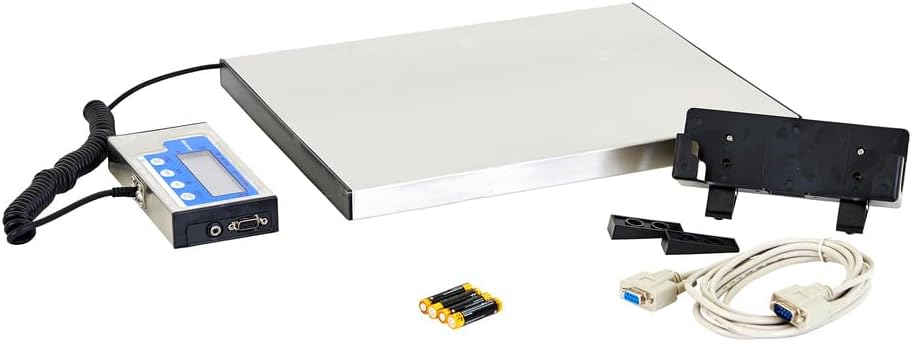
Figure 4: The back panel of the indicator unit, highlighting the RS232 serial port for data communication and the power input jack.
Itoju
1. Ninu
To maintain accuracy and longevity, keep the scale clean. Wipe the stainless steel platform and indicator unit with a damp cloth. Avoid using abrasive cleaners or excessive water, as this can damage electronic components.
2. Batiri Rirọpo
If the display becomes dim or the scale does not power on with batteries, replace all four AAA batteries. Ensure correct polarity when inserting new batteries.
3. Iṣatunṣe
The scale is factory calibrated. If you suspect calibration issues or experience consistent inaccuracies, it is recommended to contact Brecknell customer support or a certified scale technician for recalibration. Do not attempt to self-calibrate unless specifically instructed by official documentation or support.
4. Ibi ipamọ
When not in use for extended periods, store the scale in a dry, stable environment. If using batteries, remove them to prevent leakage and potential damage to the indicator unit.
Laasigbotitusita
Wọpọ Oran ati Solusan
- Scale does not power on:
- Ṣayẹwo fifi sori batiri ati rii daju pe awọn batiri jẹ alabapade.
- If using an AC adapter, ensure it is properly connected and the power outlet is functional.
- Awọn kika ti ko pe:
- Rii daju pe iwọn naa wa lori iduro, ipele ipele.
- Verify that nothing is touching the platform or interfering with its movement.
- Check for debris under the platform.
- Consider recalibration if issues persist (contact support).
- Display shows "OVERLOAD" or "Err":
- Remove any excessive weight from the platform. The scale has a maximum capacity of 400 lb.
- Power cycle the scale (turn off, then on again).
Integrating with UPS Worldship (Advanced Configuration)
Some users have reported challenges with initial setup for UPS Worldship. The following steps, derived from user experience, may assist in configuring the scale for proper communication:
- Iṣeto iwọn:
- Agbara kuro ni iwọn.
- Mu awọn TAN/PA/ZERO bọtini ati awọn UNITS button simultaneously to enter setup mode.
- Tẹ awọn Tọju button to navigate through parameters (P1 through P20).
- Lọ si P4, lẹhinna tẹ awọn UNITS button to change the setting to 7 (NCI protocol).
- Tẹ Tọju to save and proceed to P5. Change this to 2 (4800 baud).
- Tẹ Tọju to save and proceed to P6. Change this to 2 (7E1).
- Tẹ awọn TAN/PA/ZERO button to save all settings and exit setup.
- PC Port Settings (Windows):
- Go to Device Manager, then Ports (COM & LPT).
- Double-click on the COM port assigned to your scale (e.g., COM1).
- Go to the "Port Settings" tab and configure as follows:
- Awọn ege fun iṣẹju kan: 4800
- Data die-die: 7
- Iṣọkan: Paapaa
- Duro Awọn idinku: 1
- Iṣakoso sisan: Ko si
- Click OK and close Device Manager.
- UPS Worldship Configuration:
- Open UPS Worldship.
- Lọ si Awọn irinṣẹ > Awọn ayanfẹ eto > Hardware.
- Change the "Scale port" to the COM port you configured (e.g., COM1).
- Change the "Scale Type" to NCI 3835.
- Tẹ Igbeyewo Iwon. The weight should now report from the scale.
Awọn pato

Figure 5: Key dimensions and features of the Brecknell SBWLPS400 Portable Shipping Scale, including the stainless steel weighing platform and the high LCD display.
| Ẹya ara ẹrọ | Ẹ̀kúnrẹ́rẹ́ |
|---|---|
| Nọmba awoṣe | SBWLPS400 |
| Agbara iwuwo | 400 lb (181 kg) |
| Readout Yiye | 0.1 lb (0.005 kg) |
| Awọn iwọn Platform (L x W x H) | 15" x 12" x 1" (38.1 cm x 30.5 cm x 2.54 cm) |
| Awọn iwọn Ọja lapapọ | 15.2 x 12.2 x 1.1 inches |
| Iwọn Nkan | 10.18 iwon |
| Ohun elo | Alloy Steel, Stainless Steel (Platform) |
| Ifihan Iru | LCD (0.65" high) |
| Orisun agbara | 4 x AAA batteries (included) or optional AC adapter (DC 6V, 500mA) |
| Ni wiwo | RS232 Serial Port |
| Niyanju Lilo | Shipping, general purpose, mailroom, manifest, warehouse |
Atilẹyin ọja ati Support
Brecknell products are manufactured to high standards and are backed by a manufacturer's warranty. For specific warranty terms and conditions, please refer to the documentation included with your purchase or visit the official Brecknell webojula.
For technical support, service, or calibration inquiries, please contact Brecknell customer service. You may also find additional resources and frequently asked questions on the official Brecknell support page.
A comprehensive User Manual in PDF format is also available for download from the product's Amazon listing or the manufacturer's website for further detailed information.
Awọn iwe aṣẹ ti o jọmọ - SBWLPS400
 |
Brecknell B140 Counting/Coin Scale - Precision Weighing and Counting Explore the Brecknell B140 Counting/Coin Scale, engineered with Dual Range Technology for superior accuracy across multiple capacities. Ideal for industrial, warehouse, and process control applications, it offers robust construction, versatile features, and clear LED displays. |
 |
Brecknell BFS-150 Multifunction Asekale: Ilana itọnisọna ati Itọsọna olumulo Iwe itọnisọna pipe fun Brecknell BFS-150 Multifunction Asekale. Kọ ẹkọ nipa awọn ẹya ara ẹrọ rẹ, awọn alaye imọ-ẹrọ, iṣẹ ṣiṣe, itọju, ati bii o ṣe le tumọ ọra ara, omi, BMI, iṣan, ati awọn wiwọn egungun. |
 |
Brecknell MS 1000-LCD Operator Manual - Electronic Scale Guide Comprehensive operator manual for the Brecknell MS 1000-LCD electronic chair scale. This guide covers installation, operation, features like Tare, Hold, BMI, calibration, diagnostics, and technical specifications for accurate weighing. |
 |
Brecknell SBI-110 3900LP Bench Scale User Manual Comprehensive user manual for the Brecknell SBI-110 3900LP Bench Scale. Covers installation, operation, weighing modes, counting, checkweighing, hold mode, menus, calibration, RS232 communication, replacement parts, and loadcell pinouts. |
 |
Brecknell PC Series Price Computing Scale Technical Manual This technical manual provides comprehensive information for the Brecknell PC Series Price Computing Scales (e.g., PC-30, v0.541). It covers installation, operation, parameters, error codes, and specifications for retail environments. |
 |
Brecknell 140 Indicator Operation Manual Comprehensive operation manual for the Brecknell 140 Indicator. Covers specifications, key functions, calibration procedures, working parameter setup, RS232 communication details, displayed symbols, and key definitions for efficient use and maintenance. |
Ask a question about this manual
Ask about setup, troubleshooting, compatibility, parts, safety, or missing instructions. Manuals+ will review the question and use this page’s manual context to help answer it.