
1. Ifihan
The AXIS T8351 Mk II Microphone 3.5 mm is a high-performance analog microphone designed for integration into video surveillance systems. It provides superior audio monitoring and recording capabilities, particularly in environments with low ambient noise. This manual provides essential information for the proper installation, operation, and maintenance of your AXIS T8351 Mk II Microphone.
2. Alaye Aabo
- Ka gbogbo awọn itọnisọna ni pẹkipẹki ṣaaju fifi sori ẹrọ ati lo.
- Do not expose the microphone to extreme temperatures, humidity, or corrosive environments.
- Ensure the microphone is securely mounted to prevent accidental falls.
- Only use accessories and power sources specified by Axis Communications.
- Ge asopọ agbara ṣaaju ṣiṣe mimọ tabi ṣiṣe itọju eyikeyi.
3. Package Awọn akoonu
Jẹrisi pe gbogbo awọn ohun kan wa ninu package:
- AXIS T8351 Mk II Microphone 3.5 mm
- Installation Guide (if separate)
Note: Additional mounting accessories may be sold separately.
4. Eto ati fifi sori
4.1 Iṣagbesori Gbohungbohun
The AXIS T8351 Mk II Microphone offers flexible mounting options for walls, ceilings, or covert areas. Choose a location that allows optimal sound capture for your surveillance needs.
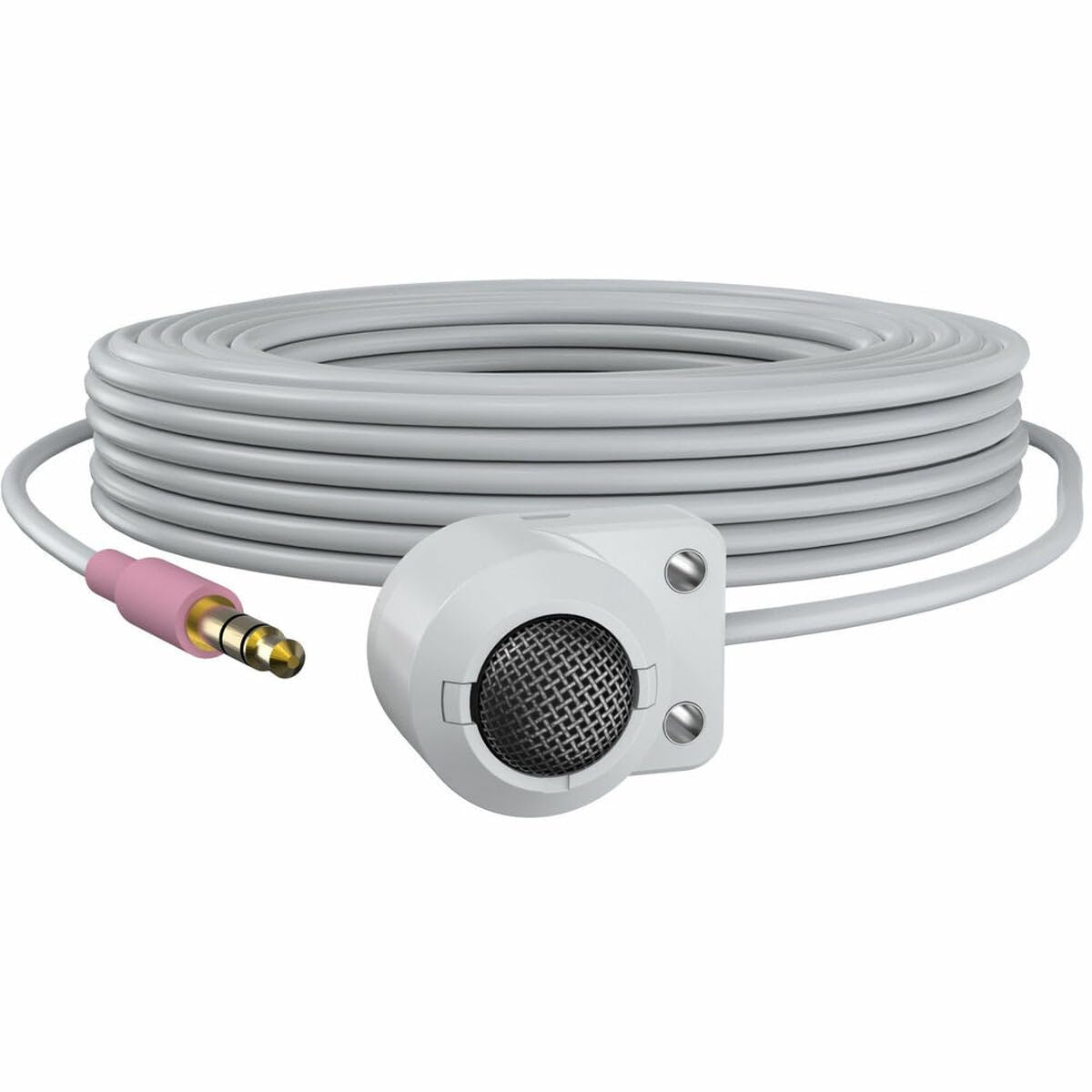
Figure 1: The AXIS T8351 Mk II Microphone, illustrating its compact design and the 3.5 mm connector for integration into surveillance systems. This image highlights the microphone's small form factor, making it suitable for discreet placement.
Wo nkan wọnyi nigbati o ba yan ipo iṣagbesori kan:
- Isunmọ si Orisun Ohun: For best results, position the microphone close to the intended sound source.
- Ariwo Ibaramu: While designed for low ambient noise environments, avoid placing the microphone near sources of constant noise (e.g., air conditioning vents, loud machinery).
- Lakaye: The compact size allows for subtle concealment if required.
4.2 Nsopọ Gbohungbohun
The AXIS T8351 Mk II Microphone connects to compatible network products via a 3.5 mm microphone input jack or a 4-pin audio connector.
- Locate the 3.5 mm microphone input jack or 4-pin audio connector on your network product (e.g., IP camera, audio encoder).
- Insert the microphone's connector firmly into the corresponding port.
- Ensure a secure connection. The microphone is powered directly by the network product, eliminating the need for additional power cables.
5. Ṣiṣẹ gbohungbohun
5.1 Audio Capture
The AXIS T8351 Mk II is a hemispherical, omni-directional microphone, meaning it captures sound from all directions. This characteristic makes it effective for monitoring general ambient sound within a room.
- Once connected, the microphone will begin capturing audio as configured by your network product's settings.
- Adjust audio input levels and sensitivity through the interface of your connected network device to achieve optimal sound quality and prevent distortion.
5.2 Integration with Surveillance Systems
The microphone is designed to complement video surveillance by providing synchronized audio. Refer to your network product's documentation for specific instructions on:
- Enabling audio recording.
- Configuring audio triggers or events.
- Live audio monitoring.
6. Itọju
6.1 Ninu
Lati ṣetọju iṣẹ ti o dara julọ ati irisi:
- Gently wipe the exterior of the microphone with a soft, dry cloth.
- Ma ṣe lo awọn kẹmika lile, awọn nkanmimu, tabi awọn afọmọ abrasive.
- Ensure no moisture enters the microphone's openings.
6.2 Ayika riro
The microphone is designed for indoor use. Protect it from:
- Direct sunlight or extreme heat.
- Excessive dust or dirt.
- Strong vibrations or impacts.
7. Laasigbotitusita
7.1 Kò sí Ìjáde Ohùn
- Ṣayẹwo Asopọmọra: Ensure the 3.5 mm connector is fully inserted into the network product's audio input.
- Verify Network Product Settings: Confirm that audio input is enabled and configured correctly in your network product's software interface. Check volume levels.
- Agbara: Since the microphone is powered by the network product, ensure the network product itself is powered on and functioning correctly.
- Ibamu: Confirm your network product supports a 3.5 mm microphone input or 4-pin audio connector.
7.2 Poor Audio Quality (Distortion, Low Volume, Noise)
- Gbigbe Gbohungbohun: Reposition the microphone closer to the sound source or away from sources of ambient noise.
- Awọn ipele igbewọle: Adjust the audio input sensitivity and gain settings on your network product. Too high a gain can cause distortion; too low can result in faint audio.
- Ariwo Ayika: Identify and mitigate external noise sources in the environment.
- Iduroṣinṣin USB: Ṣayẹwo okun fun eyikeyi bibajẹ tabi kinks.
8. Awọn pato
| Ẹya ara ẹrọ | Ẹ̀kúnrẹ́rẹ́ |
|---|---|
| Orukọ awoṣe | T8351 Mk II Microphone 3.5 mm |
| Gbohungbo Fọọmù ifosiwewe | Mini |
| Pola Àpẹẹrẹ | Hemispherical, Omni-directional |
| Asopọmọra Iru | Audio Line Out (3.5mm jack) |
| Asopọmọra Technology | XLR (Note: Product description mentions 3.5mm, please verify specific model variant if XLR is primary) |
| Orisun agbara | Corded Electric (powered by network product) |
| Idahun Igbohunsafẹfẹ | 16 kHz |
| Ifihan Ibuwọlu-si-Noise | 76 dB |
| Ifamọ Audio | 22 Decibels |
| Awọn Iwọn Nkan (L x W x H) | 1.1 x 0.8 x 0.8 inches |
| Iwọn Nkan | 3.2 iwon |
| Awọn ẹrọ ibaramu | Camera (with 3.5mm mic input or 4-pin audio connector) |
9. Atilẹyin ọja ati Support
For information regarding the product warranty, technical support, and additional resources, please visit the official Axis Communications webAaye ayelujara tabi kan si oniṣowo ti a fun ni aṣẹ rẹ. Pa iwe-ẹri rira rẹ mọ fun awọn ẹtọ atilẹyin ọja.
Axis Communications Official Webojula: www.axis.com