
1. Ifihan
This manual provides essential instructions for the installation, operation, and maintenance of your FSP iFP600 Uninterruptible Power Supply (UPS). Please read this manual thoroughly before installing or operating the unit to ensure proper function and safety. The FSP iFP600 is designed to provide reliable power backup and surge protection for your electronic devices.

Aworan 1.1: Iwaju view of the FSP iFP600 UPS, showcasing its compact design and integrated LCD display.
2. Awọn ilana aabo
Please adhere to these important safety guidelines during installation, operation, and maintenance of the UPS:
- Maṣe ṣii UPS casing. Ko si awọn ẹya ti olumulo-iṣẹ ninu. Tọkasi gbogbo iṣẹ si awọn oṣiṣẹ iṣẹ ti o peye.
- Do not connect appliances that could overload the UPS, such as laser printers, vacuum cleaners, or heaters.
- Rii daju pe UPS ti sopọ si iṣan agbara AC ti o wa lori ilẹ.
- Avoid placing the UPS in direct sunlight, near heat sources, or in environments with excessive dust, humidity, or corrosive substances.
- Position the UPS in a well-ventilated area to prevent overheating.
- In case of fire, use a dry chemical extinguisher. Water can be hazardous.
- The battery inside the UPS is not user-replaceable. Battery replacement should only be performed by qualified personnel.
3. Ọja Ipariview
The FSP iFP600 UPS provides reliable power protection for your critical electronics. It features a compact design and an intuitive LCD display for monitoring status.
3.1 Package Awọn akoonu
Ni ṣiṣi package, jọwọ rii daju pe gbogbo awọn paati wa ati pe ko bajẹ:
- FSP iFP600 UPS Unit
- Afowoyi Olumulo (iwe-ipamọ yii)
- Okun agbara
- Okun Ibaraẹnisọrọ USB
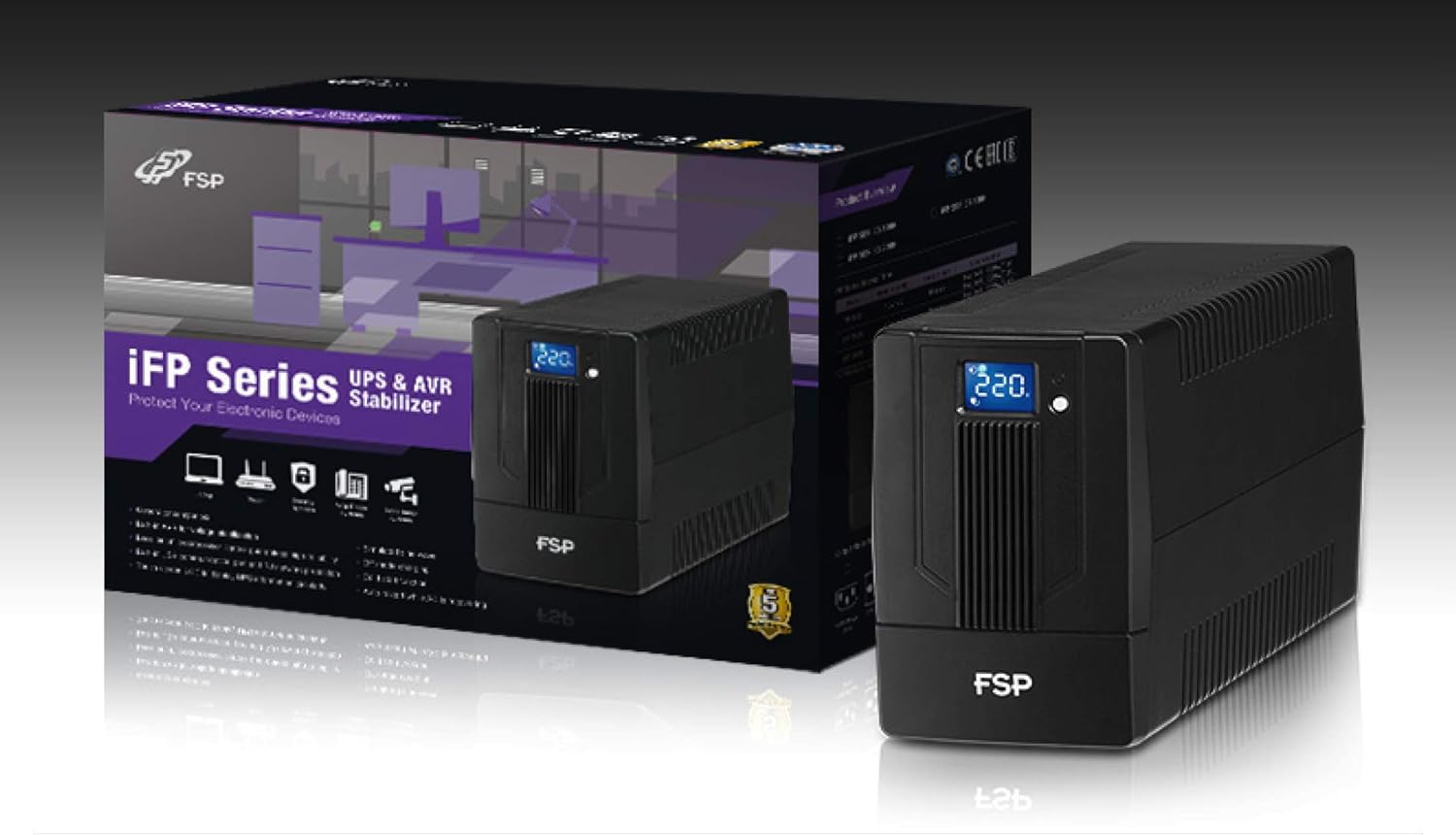
Image 3.1: The FSP iFP600 UPS shown alongside its retail packaging, illustrating the product's presentation.
3.2 Ru Panel irinše
Familiarize yourself with the connections on the rear panel of the UPS:

Aworan 3.2: alaye view of the FSP iFP600 UPS rear panel, highlighting connection points.
- Awọn ita: Two SCHUKO type outlets for connecting protected equipment.
- Iṣawọle AC: Connects the UPS to the main utility power.
- Fuse/Breaker: Overcurrent protection for the UPS.
- Ibaraẹnisọrọ USB: Port for connecting to a computer for monitoring and management.
- Combo RJ11/RJ45 Surge Protection: Provides surge protection for telephone/network lines.
4. Eto ati fifi sori
Follow these steps to set up your FSP iFP600 UPS:
- Ṣii silẹ: Fi ìṣọ́ra yọ UPS kúrò nínú àpótí rẹ̀. Ṣe àyẹ̀wò bóyá ìbàjẹ́ bá ṣẹlẹ̀ sí ọkọ̀ ojú omi.
- Ibi: Place the UPS on a flat, stable surface in a clean, cool, and well-ventilated area. Ensure adequate clearance around the unit for airflow.
- Gbigba agbara akọkọ: Connect the UPS to a standard grounded AC outlet using the provided power cord. Allow the unit to charge for at least 4-6 hours before initial use to ensure optimal battery performance. The UPS will charge whether it is turned on or off.
- Ohun elo Asopọmọra: Plug your computer, monitor, and other critical electronic devices into the UPS outlets (A). Do not connect surge suppressors or power strips to the UPS outlets.
- USB Communication (Optional): Connect the USB cable from the UPS USB port (D) to your computer's USB port to enable power management software features (software not included, typically downloaded from manufacturer's webaaye).
- RJ11/RJ45 Protection (Optional): For surge protection of your telephone or network line, connect the incoming line to the 'IN' port of the Combo RJ11/RJ45 (E) and connect the 'OUT' port to your device.
5. Awọn ilana Iṣiṣẹ
5.1 Titan / Pa a
- Lati Fi agbara: Press and hold the power button on the front panel for approximately 2 seconds until you hear a beep and the LCD display illuminates.
- Lati Paarẹ: Press and hold the power button for approximately 2 seconds until you hear a beep and the LCD display turns off.
5.2 LCD Ifihan Alaye
The FSP iFP600 features an LCD display that provides real-time status information. The display is touch-sensitive for navigating information.

Image 5.1: The LCD display of the FSP iFP600 UPS, indicating voltage output and its touch-screen functionality.
The LCD display typically shows:
- Iṣagbewọle Voltage
- O wujade Voltage
- Ipele Gbigba agbara Batiri
- Ipele ikojọpọ
- Operating Mode (e.g., AC mode, Battery mode)
- Warning/Fault Indicators
5.3 Iṣẹ́ Ipò Bátìrì
When the utility power fails or fluctuates outside acceptable limits, the UPS will automatically switch to battery mode. During battery mode, the UPS will provide power to connected equipment from its internal battery. An audible alarm will sound to indicate battery operation.
6. Itọju
Proper maintenance ensures the longevity and reliability of your UPS.
- Ninu: Use a soft, dry cloth to clean the exterior of the UPS. Do not use liquid or aerosol cleaners.
- Itọju Batiri: To maximize battery life, ensure the UPS is connected to AC power and fully charged. If the UPS is stored for an extended period, recharge it every three months to prevent battery degradation.
- Rirọpo Batiri: The internal battery (12V / 7Ah x1) is not user-serviceable. Battery replacement should only be performed by FSP-certified service personnel or a qualified technician. Incorrect battery replacement can pose a risk of explosion or injury.
- Ibi ipamọ: Store the UPS in a cool, dry place with adequate ventilation. Ensure the battery is fully charged before storage.
7. Laasigbotitusita
Refer to the following table for common issues and their solutions. If the problem persists, contact FSP support.
| Aisan | Itaniji Ngbohun | Owun to le Fa | Ojutu |
|---|---|---|---|
| UPS operating on battery power | Ariwo ni gbogbo iṣẹju-aaya 10 | Utility power failure or fluctuation | Save work and shut down equipment if power outage is prolonged. UPS will return to AC mode when power is restored. |
| Ikilọ batiri kekere | Beeps gbogbo iṣẹju-aaya | Gbigba agbara batiri jẹ kekere pupọ | Immediately save work and shut down connected equipment. |
| Apọju ipo | Beeps ni gbogbo iṣẹju 0.5 | Àwọn ohun èlò tí a so pọ̀ ju agbára UPS lọ | Disconnect non-essential equipment until the alarm stops. Ensure total load is within UPS capacity. |
| UPS aṣiṣe | Kigbe siwaju | Aṣiṣe inu tabi aiṣedeede | Turn off the UPS and disconnect it from the AC outlet. Contact FSP technical support. |
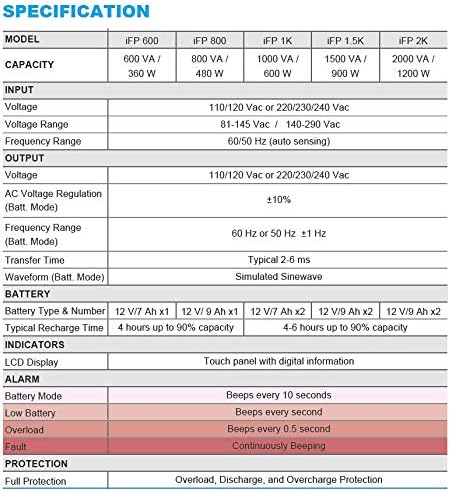
Image 7.1: Excerpt from the FSP iFP series specification table, detailing alarm indicators and their meanings.
8. Awọn pato
Detailed technical specifications for the FSP iFP600 UPS:
| Ẹya ara ẹrọ | Sipesifikesonu |
|---|---|
| Awoṣe | iFP 600 |
| Agbara | 600 VA / 360 W |
| Iṣagbewọle Voltage | 110/120 Vac or 220/230/240 Vac |
| Iṣagbewọle Voltage Ibiti | 81-145 Vac / 140-290 Vac |
| Ibiti Igbohunsafẹfẹ Input | 60/50 Hz (imọ aifọwọyi) |
| O wujade Voltage | 110/120 Vac or 220/230/240 Vac |
| AC Voltage Ilana (Batt. Ipo) | ± 10% |
| Output Frequency Range (Batt. Mode) | 60 Hz or 50 Hz ±1 Hz |
| Akoko Gbigbe | Aṣoju 2-6 ms |
| Waveform (Batt. Ipo) | Simulated Sinewave |
| Batiri Iru & Nọmba | 12V / 7Ah x1 |
| Aṣoju gbigba agbara Time | 4 wakati soke si 90% agbara |
| Awọn itọkasi | LCD Display (Touch panel with digital information) |
| Idaabobo | Overload, Discharge, and Overcharge Protection |
| Iwọn Nkan | 9.24 poun (4.2 kg) |
| Awọn iwọn Ọja (LxWxH) | 11.81 x 3.98 x 5.59 inches |
| Àwọ̀ | Dudu |
| Ohun elo | Irin |
9. Atilẹyin ọja ati Support
FSP products are designed for reliability and performance. For warranty information, please refer to the warranty card included with your product or visit the official FSP website. For technical support, troubleshooting assistance, or service inquiries, please contact FSP customer service through their official channels.
O le wa alaye diẹ sii ati awọn orisun atilẹyin lori awọn FSP Store on Amazon.