
Audeze 210-L1-1200-00
Ìwé Ìtọ́sọ́nà Olùlò Audeze LCD-1 Audiophile Open-Back Headphones
Model: LCD-1 (210-L1-1200-00)
1. Ifihan
Thank you for choosing the Audeze LCD-1 Audiophile Open-Back Headphones. These headphones are engineered for exceptional audio fidelity, offering a wide soundstage and precise imaging for critical listening, mixing, and mastering. Designed for comfort and portability, the LCD-1 delivers the renowned Audeze planar magnetic sound in a compact form factor.
2. Alaye Aabo
- Idaabobo igbọran: Yago fun gbigbọ ni awọn ipele iwọn didun giga fun awọn akoko gigun lati dena ibajẹ igbọran.
- Imọye Ayika: Due to their open-back design, these headphones do not provide noise isolation. Be aware of your surroundings when using them, especially in environments where attention is required (e.g., near traffic).
- Ninu: Lo aṣọ rírọrùn tí ó gbẹ fún ìwẹ̀nùmọ́. Yẹra fún lílo àwọn kẹ́míkà líle tàbí àwọn ohun èlò ìpalára.
- Ibi ipamọ: Tọju awọn agbekọri sinu apoti aabo wọn nigbati ko si ni lilo lati yago fun ibajẹ.
- Ọrinrin: Keep the headphones away from water and excessive moisture. They are not water resistant.
3. Package Awọn akoonu
Jọwọ ṣayẹwo apoti fun awọn nkan wọnyi:
- Audeze LCD-1 Audiophile Open-Back Headphones
- 3.5mm to dual 3.5mm audio cable
- 1/4-inch adapter
- Aabo Travel Case
- Itọsọna olumulo (iwe yii)
4. Ọja Ipariview
The Audeze LCD-1 headphones feature a lightweight, foldable design with comfortable memory foam ear pads and headband. The open-back earcups house the planar magnetic drivers, delivering exceptional sound clarity.

olusin 4.1: Iwaju view ti awọn agbekọri Audeze LCD-1, ifihanasing apẹrẹ ṣiṣi-pada ati awọn afikọti itunu.
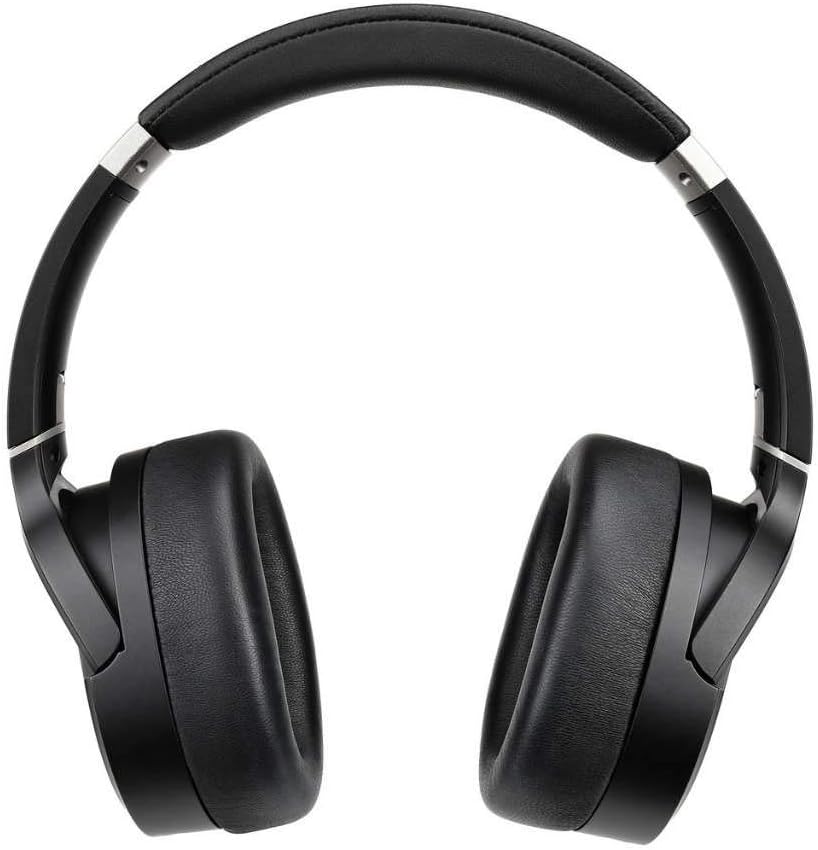
olusin 4.2: Top view of the Audeze LCD-1 headphones, highlighting the adjustable headband and earcups.
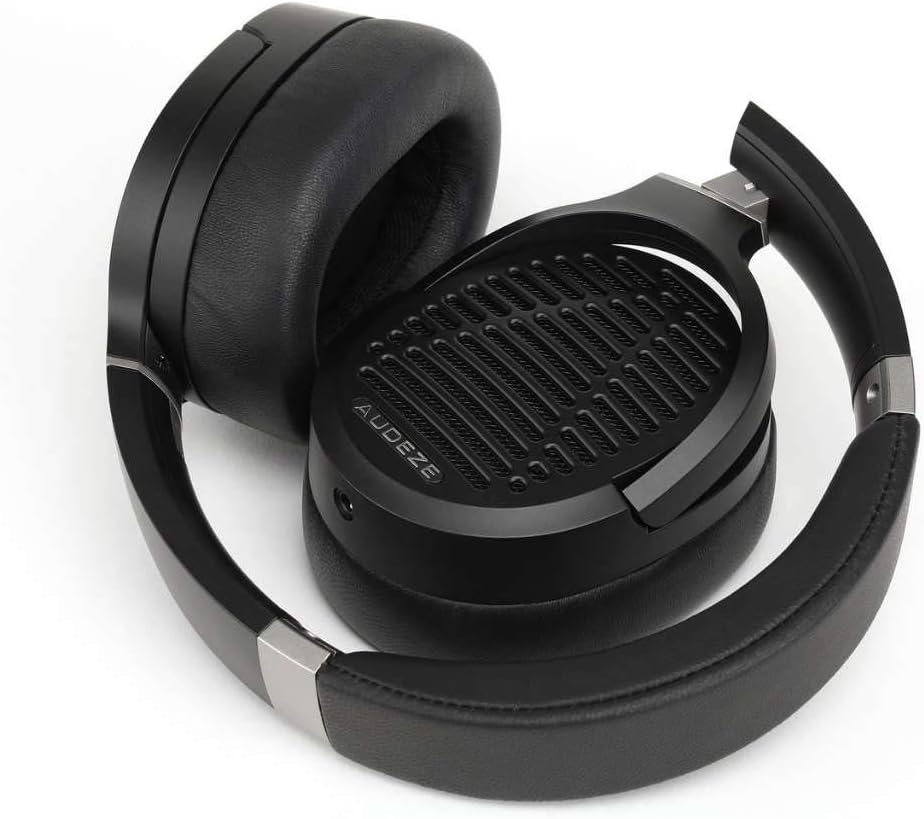
Figure 4.3: The Audeze LCD-1 headphones folded, demonstrating their compact design for easy portability and storage.
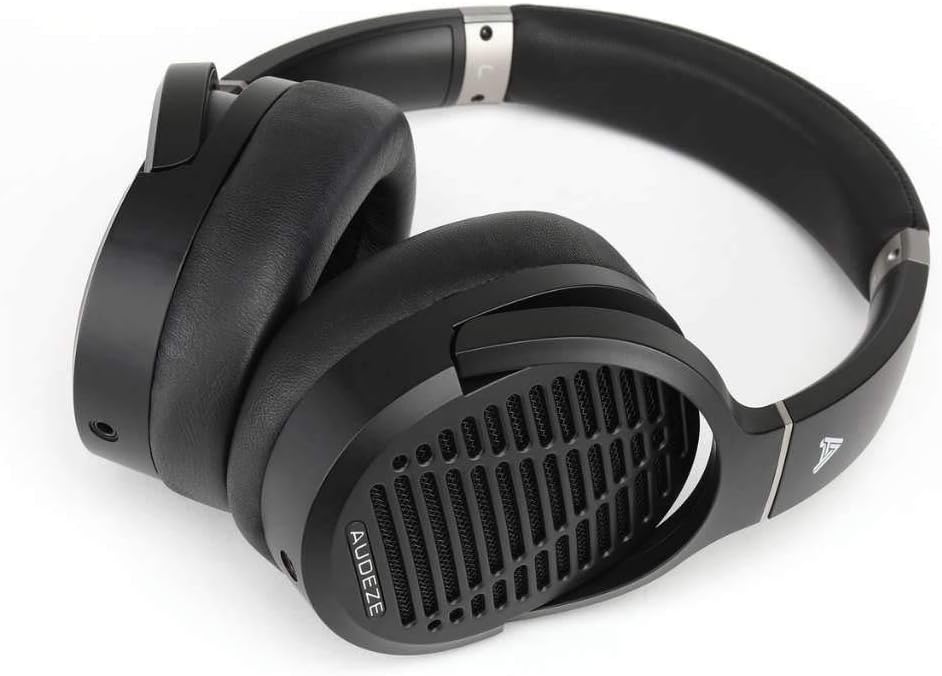
olusin 4.4: Angled view of the Audeze LCD-1 headphones in their folded state, ready to be placed in the protective case.
5. Eto
5.1 Nsopọ USB
- Locate the dual 3.5mm connectors on one end of the included audio cable.
- Insert each 3.5mm connector into the corresponding jack on the bottom of each earcup. Ensure they are fully seated.
- Connect the single 3.5mm end of the cable to your audio source (e.g., smartphone, computer, audio interface).
- If your audio source requires a 1/4-inch connection, attach the included 1/4-inch adapter to the single 3.5mm end of the cable before connecting to the source.
5.2 Wọ Awọn Agbekọri
- Gently unfold the headphones.
- Place the earcups over your ears, ensuring the memory foam pads fully encompass your ears for optimal comfort and sound.
- Adjust the headband by sliding the earcups up or down until the headphones fit comfortably and securely on your head. The headband should rest gently on the top of your head.

Figure 5.1: A user wearing the Audeze LCD-1 headphones, demonstrating proper fit and use with a laptop.
6. Ṣiṣẹ
6.1 Audio Sisisẹsẹhin
Once connected to your audio source, begin playback from your device. Adjust the volume on your audio source to a comfortable listening level. The LCD-1 headphones are designed to be easily driven by most portable devices and audio interfaces without the need for a dedicated amplifier, though a high-quality source will enhance the listening experience.
6.2 Optimal Listening Experience
- For the best sound quality, use high-resolution audio files tabi awọn iṣẹ sisanwọle.
- Ensure the audio cable is securely connected to both earcups and your audio source.
- The open-back design means sound will leak out and ambient noise will enter. For critical listening, use in a quiet environment.
7. Itọju
7.1 Ninu
- Ear Pads and Headband: Wipe gently with a soft, dry, lint-free cloth. Do not use liquid cleaners or solvents.
- Awọn afikọti: Use a soft, dry brush to remove any dust from the grilles.
- USB: Wipe the cable with a dry cloth if it becomes dirty.
7.2 Ibi ipamọ
When not in use, fold the headphones and store them in the provided protective travel case. This will protect them from dust, scratches, and accidental damage.
8. Laasigbotitusita
| Isoro | Owun to le Fa | Ojutu |
|---|---|---|
| Ko si ohun | Cable not connected properly; Audio source volume too low; Incorrect audio output selected on device. | Ensure all cable connections are secure; Increase volume on audio source; Verify correct audio output is selected on your device. |
| Ohun ti daru tabi koyewa | Cable damage; Audio source issue; Volume too high causing clipping. | Try a different audio cable if available; Test with another audio source; Reduce volume. |
| Awọn agbekọri korọrun | Ibamu ti ko tọ. | Adjust the headband and earcup position until a comfortable fit is achieved. Ensure ear pads fully surround your ears. |
9. Awọn pato
| Ẹya ara ẹrọ | Ẹ̀kúnrẹ́rẹ́ |
|---|---|
| Orukọ awoṣe | LCD-1 |
| Asopọmọra Technology | Ti firanṣẹ (Jack 3.5 mm) |
| Audio Driver Type | Planar oofa Driver |
| Gbigbe Eti | Lori Eti |
| Fọọmù ifosiwewe | Lori Eti |
| Ohun elo | Memory Foam (ear pads), Leather (carrying case) |
| Iwọn Nkan | 250 Giramu (8.8 iwon) |
| Ọja Mefa | 12.28 x 10.31 x 6.77 inches |
| Awọn irinše to wa | Ọran Idaabobo |
| UPC | 819343013093 |
| Olupese | Audeze |
10. Atilẹyin ọja ati Support
10.1 atilẹyin ọja Alaye
Audeze products typically come with a limited warranty covering manufacturing defects. For specific warranty terms and conditions, including duration and coverage, please refer to the warranty card included with your product or visit the official Audeze webojula. Jeki ẹri rira rẹ fun awọn iṣeduro atilẹyin ọja.
10.2 Onibara Support
For technical assistance, troubleshooting beyond this manual, or warranty service, please contact Audeze customer support. You can find contact information on the official Audeze webojula:
Webojula: www.audeze.com/support
Please have your product model number (LCD-1, Model: 210-L1-1200-00) and proof of purchase ready when contacting support.
Ask a question about this manual
Ask about setup, troubleshooting, compatibility, parts, safety, or missing instructions. Manuals+ will review the question and use this page’s manual context to help answer it.