
1. Ifihan
This manual provides essential information for the safe and efficient operation of your iPower 8 Inch 420 CFM Inline Duct Vent Blower Booster Fan. Please read these instructions thoroughly before installation and use, and retain them for future reference.
The iPower Inline Duct Fan is designed to boost airflow in HVAC systems, exhaust stale air, or provide intake for various ventilation needs in residential and commercial settings. Its compact design allows for versatile installation.
2. Awọn ilana aabo
IKILO: Lati dinku eewu ina, mọnamọna, tabi ipalara si awọn eniyan, ṣe akiyesi atẹle naa:
- Read all instructions before installing or using this fan.
- Ensure the power supply matches the fan's voltage (110/120V).
- Nigbagbogbo ge asopọ agbara ṣaaju ṣiṣe tabi nu kuro.
- Maṣe lo afẹfẹ yii pẹlu eyikeyi ẹrọ iṣakoso iyara ipinle ti o lagbara ayafi ti a ṣe apẹrẹ pataki fun rẹ.
- Iṣẹ fifi sori ẹrọ ati onirin itanna gbọdọ ṣee ṣe nipasẹ eniyan (awọn) ti o peye ni ibamu pẹlu gbogbo awọn koodu ati awọn iṣedede to wulo, pẹlu ikole-ti ina.
- Nigbati o ba ge tabi liluho sinu awọn odi tabi awọn aja, ma ṣe ba awọn onirin itanna jẹ ati awọn ohun elo miiran ti o farapamọ.
- Duct fans must always be vented to the outdoors.
- If any materials or particles get into the duct fan and cause the blade to get stuck, immediately turn off the power, clean the obstruction, and only restore power once the issue is properly resolved.
- This fan is not intended for use in potentially explosive atmospheres.
- Jeki awọn ika ọwọ ati awọn nkan ajeji kuro lati awọn abẹfẹfẹ afẹfẹ lakoko iṣẹ.
3. Ọja Ipariview
The iPower Inline Duct Vent Blower is designed for efficient air movement. Key components and features include:

Figure 3.1: iPower 8 Inch Inline Duct Fan, showing its cylindrical metal housing, fan blades, and grounded power cord.

Figure 3.2: Diagram illustrating the internal components of the inline duct fan, highlighting the strong motor with permanently lubricated bearings, balanced blades for reduced noise and vibration, and high-strength housing resistant to rust and corrosion.
- Mọto ti o lagbara: Features a permanently lubricated bearing for long-lasting performance.
- Balanced Blades: Engineered to minimize noise and vibration during operation.
- High Strength Housing: Constructed to be resistant to rust and corrosion, ensuring durability.
- Okun Agbara Ilẹ: An extra-long 5.5-foot grounded power cord is included for safe and convenient connection.
4. Awọn pato
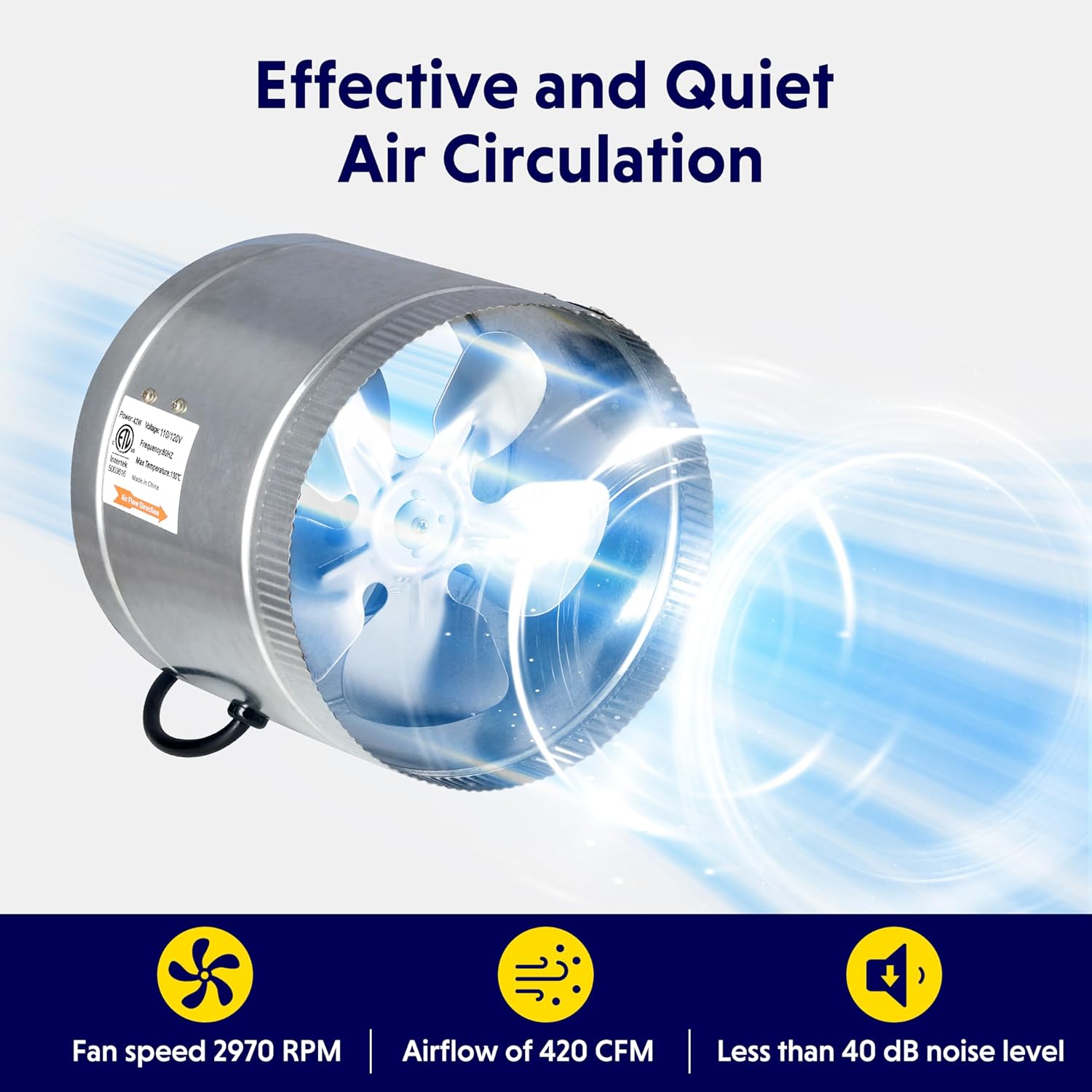
Figure 4.1: Visual representation of the fan's key specifications.
| Sipesifikesonu | Iye |
|---|---|
| Iwọn opin | 8 inches |
| Air Sisan Agbara | 420 CFM (Ẹsẹ onigun Ni Iṣẹju kan) |
| Iyara | 2970 RPM |
| Voltage | 110/120V |
| Wattage | 42W |
| Ariwo Ipele | 50 dB (decibels) |
| Okun Gigun | 5.5 ẹsẹ |
| Max Operating Temperature (Motor) | 130°C / 266°F |
| Max ibaramu otutu | 60°C / 140°F |
| Ọja Mefa | 8.5"D x 9"W x 6.5"H |
| Iwọn Nkan | 4.07 iwon |
| Nọmba awoṣe | GLFANXBOOSTER8V1 |
5. fifi sori
The iPower Inline Duct Fan is designed for easy installation within existing ductwork. It can function as either an exhaust fan or an intake fan.
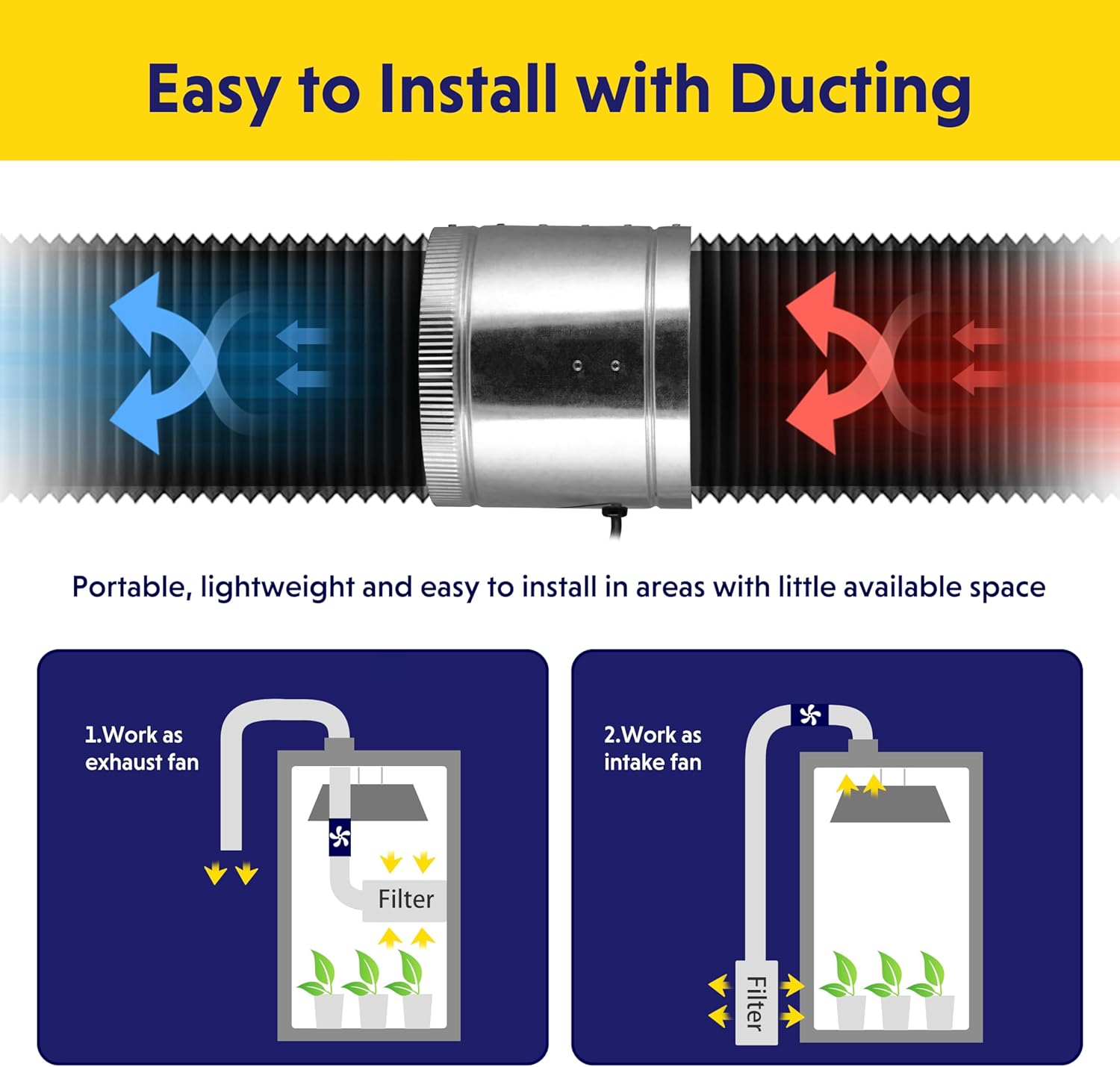
Figure 5.1: Diagram showing the fan integrated into ducting, illustrating both exhaust and intake configurations.
- Yan Ibi: Select a suitable location within your duct system. The fan can be installed in-between sections of ducting or at the end. Ensure there is enough space for the fan and its connections.
- Iṣagbesori to ni aabo: Use appropriate mounting hardware (not included) to securely fasten the fan to a stable surface or suspend it within the duct run. Minimize vibration by ensuring a snug fit.
- Àwọn ọ̀nà ìsopọ̀: Connect the ductwork to both ends of the fan. Ensure all connections are sealed tightly to prevent air leaks. Duct clamps (not included) are recommended for secure attachment.
- Asopọ agbara: Plug the 5.5-foot grounded power cord into a standard 110/120V electrical outlet. Ensure the outlet is properly grounded.
- Verify Airflow Direction: The fan has an indicated airflow direction (usually an arrow on the housing). Ensure the fan is oriented to move air in the desired direction (exhausting or intake).

Figure 5.2: Illustration of the fan's role in a ventilation system, showing air being drawn in and expelled.
6. Isẹ
Once installed and connected to power, the iPower Inline Duct Fan operates by simply plugging it in. There are no external controls on the unit itself.
- Titan/Apapa: The fan will begin operating when plugged into a live electrical outlet and stop when unplugged.
- Ise Tesiwaju: The fan is designed for continuous operation to maintain consistent airflow.
- Ipele Ariwo: The fan operates at approximately 50 dB. While designed for low noise, some sound is inherent to its operation.

Figure 6.1: Visual representation of the fan's air circulation capabilities, highlighting its speed, airflow, and noise level.
7. Itọju
Regular maintenance ensures optimal performance and longevity of your iPower Inline Duct Fan.
- Ge Agbara: ALWAYS unplug the fan from the power source before performing any maintenance.
- Awọn abẹfẹ mimọ: Periodically inspect the fan blades for dust, debris, or other obstructions. Gently clean the blades with a soft cloth or brush. Do not use harsh chemicals.
- Check Ductwork: Ensure the connected ducting remains clear of blockages and is securely attached to the fan.
- Mọto: The motor features permanently lubricated bearings and does not require additional lubrication.
- Ibugbe: Pa ile ita kuro pẹlu ipolowoamp asọ bi ti nilo.
8. Laasigbotitusita
| Isoro | Owun to le Fa | Ojutu |
|---|---|---|
| Fan ko ni tan-an. | No power, faulty outlet, damaged cord. | Check power connection, test outlet with another device, inspect cord for damage. |
| Fan is unusually loud or vibrating. | Loose mounting, debris in blades, damaged blades/motor. | Ensure fan is securely mounted. Disconnect power and inspect blades for obstructions or damage. If damaged, discontinue use. |
| Afẹfẹ ti o dinku. | Blocked ducting, dirty fan blades. | Inspect ductwork for blockages. Disconnect power and clean fan blades. |
| Fan stops suddenly. | Power interruption, motor overheating, blade obstruction. | Check power. Disconnect power and inspect for obstructions. Allow motor to cool if overheating is suspected. |
If troubleshooting steps do not resolve the issue, please contact iPower customer support.
9. Awọn ohun elo
The iPower Inline Duct Fan is versatile and can be used in various settings to improve air circulation and ventilation:
- Awọn ọna ṣiṣe HVAC: Boost heating and cooling airflow.
- Attics & Basements: Improve air circulation and reduce humidity.
- Workshops & Garages: Exhaust fumes and maintain air quality.
- Grow Tents: Provide essential air intake or exhaust for optimal plant growth environments.
- Bathrooms & Kitchens: Enhance exhaust of moisture and odors.

Olusin 9.1: Examples of common applications including bathrooms, kitchens, basements, and grow tents.
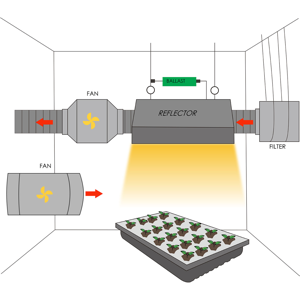
Figure 9.2: Grow Tent setup with inline fan for ventilation.
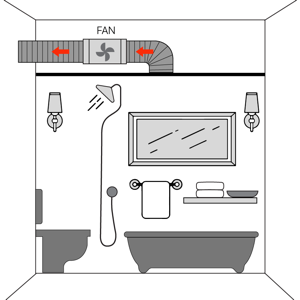
Figure 9.3: Bathroom ventilation setup using an inline fan.

Figure 9.4: Kitchen ventilation setup with an inline fan.
10. Onibara Support
For technical assistance, warranty information, or to report issues, please contact iPower customer support through their official webaaye tabi alagbata ti o ti ra ọja naa.
Please have your model number (GLFANXBOOSTER8V1) and purchase date available when contacting support.