
Ọrọ Iṣaaju
The Progress EK2783P Electric Egg Cooker is designed to simplify the process of cooking eggs to your preferred consistency, whether soft, medium, or hard-boiled, or poached. This 430W appliance can cook up to 6 eggs at once and includes accessories for versatile egg preparation. Please read this manual thoroughly before first use and retain it for future reference.
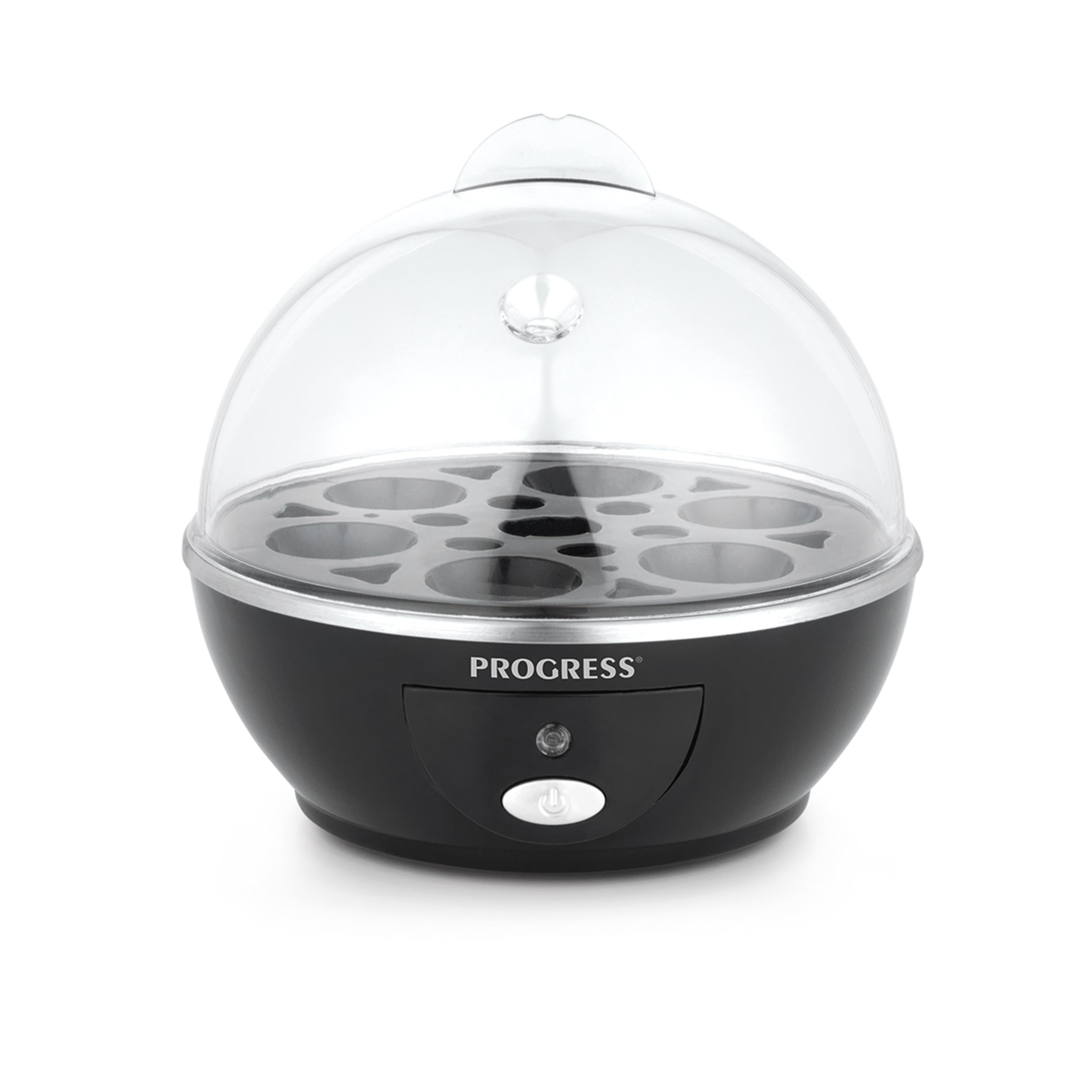
Image: The Progress EK2783P Electric Egg Cooker shown with various cooked eggs and toast, demonstrating its versatility.
Awọn Itọsọna Aabo pataki
When using electrical appliances, basic safety precautions should always be followed to reduce the risk of fire, electric shock, and injury to persons. These include:
- Ka gbogbo awọn itọnisọna ni pẹkipẹki ṣaaju ṣiṣe ohun elo naa.
- Do not immerse the base unit, power cord, or plug in water or any other liquid.
- Ohun elo yii kii ṣe ipinnu fun lilo nipasẹ awọn eniyan (pẹlu awọn ọmọde) pẹlu idinku ti ara, imọlara tabi awọn agbara ọpọlọ, tabi aini iriri ati imọ, ayafi ti wọn ba ti fun wọn ni abojuto tabi itọnisọna nipa lilo ohun elo nipasẹ eniyan ti o ni iduro fun aabo wọn.
- Always unplug the appliance from the power outlet when not in use and before cleaning. Allow to cool before putting on or taking off parts, and before cleaning the appliance.
- Ma ṣe ṣiṣẹ ohun elo eyikeyi pẹlu okun tabi pulọọgi ti o bajẹ, tabi lẹhin aiṣe ohun elo tabi ti bajẹ ni eyikeyi ọna.
- Use the appliance on a stable, heat-resistant surface.
- Ṣọra pupọ nigbati o ba n gbe ohun elo ti o ni epo gbigbona tabi awọn olomi gbona miiran.
- Avoid contact with hot surfaces. Use handles or knobs. Hot steam is released during operation; keep hands and face clear.
- Maṣe lo ohun elo naa fun ohunkohun miiran ju lilo ti a pinnu lọ.
Ọja irinše
Familiarize yourself with the parts of your Progress EK2783P Electric Egg Cooker:
- Ẹka ipilẹ: Contains the heating plate and power switch.
- Awo alapapo: Where water is added for steaming.
- Atẹ Ẹyin: Ó máa ń gbé tó ẹyin mẹ́fà fún sísè.
- Poaching Trays (2): For poaching individual eggs.
- Ideri Sihin: Covers the cooking area, allowing steam to build.
- Idiwọn Cup pẹlu Ẹyin Piercer: Used to measure water and pierce eggs.

Image: All components of the egg cooker laid out, including the base, lid, egg tray, poaching trays, and measuring cup.
Eto ati Lilo akọkọ
- Yọọ kuro: Ni ifarabalẹ yọ gbogbo awọn paati kuro ninu apoti.
- Mọ: Before first use, wash the egg tray, poaching trays, transparent lid, and measuring cup in warm, soapy water. Rinse thoroughly and dry. Wipe the heating plate and exterior of the base unit with a damp asọ. Ma ṣe fi omi si ipilẹ ipilẹ.
- Ibi: Place the egg cooker on a stable, flat, and heat-resistant surface, away from walls or cabinets to allow for steam ventilation.
Awọn ilana Iṣiṣẹ
A. Boiling Eggs (Soft, Medium, Hard)
- Fi omi kun: Use the provided measuring cup to add the desired amount of water to the heating plate. The measuring cup has markings for soft, medium, and hard-boiled eggs, corresponding to the number of eggs (1-7).
- Awọn eyin Pierce: Using the egg piercer located at the bottom of the measuring cup, gently pierce the larger end of each egg. This prevents cracking during cooking.
- Awọn eyin Ibi: Place the egg tray onto the base unit. Arrange the pierced eggs on the egg tray with the pierced end facing upwards. The cooker can hold up to 6 eggs.
- Ibori: Place the transparent lid over the egg tray and base unit.
- Sise: Plug the appliance into a suitable power outlet. Press the power switch to turn on the egg cooker. The indicator light will illuminate.
- Tiipa aifọwọyi: The egg cooker will automatically turn off when all the water has evaporated, and the indicator light will switch off.
- Sin: Carefully remove the lid (beware of hot steam) and the egg tray. Rinse the eggs under cold water to stop the cooking process and make them easier to peel.

Image: Raw eggs positioned in the egg tray of the cooker, ready for boiling.

Image: Close-up of the measuring cup, showing the water level markings for different egg consistencies and the integrated egg piercer.
B. Poaching Eggs
- Fi omi kun: Add approximately 60ml of water to the heating plate using the measuring cup.
- Mura Awọn Atẹ Idẹ Ọdẹ: Lightly grease the inside of the two poaching trays with a small amount of butter or cooking oil to prevent sticking.
- Break Eggs: Carefully break one egg into each poaching tray.
- Ibi Trays: Place the poaching trays onto the egg tray, then place the assembled egg tray onto the base unit.
- Ibori: Place the transparent lid over the unit.
- Sise: Plug in the appliance and press the power switch. The indicator light will turn on.
- Tiipa aifọwọyi: The cooker will automatically turn off when the water has evaporated.
- Sin: Carefully remove the lid and then the poaching trays (use oven mitts or a cloth as they will be hot). Gently slide the poached eggs onto your plate.

Image: Freshly poached eggs served on toast, prepared with the egg cooker.

Image: A hand carefully lifting a poaching tray with a perfectly cooked poached egg from the appliance.
Ninu ati Itọju
Regular cleaning ensures optimal performance and extends the life of your egg cooker.
- Yọọ kuro ki o tutu: Yọọ ohun elo nigbagbogbo kuro ninu iṣan agbara ati gba laaye lati tutu patapata ṣaaju mimọ.
- Awọn Ẹya Yiyọ kuro: The egg tray, poaching trays, transparent lid, and measuring cup can be washed in warm, soapy water. Rinse thoroughly and dry completely. These parts are generally not dishwasher safe unless specified otherwise in product packaging.
- Ẹka Mimọ mimọ: Wipe the heating plate and the exterior of the base unit with a soft, damp cloth. Do not use abrasive cleaners, scouring pads, or harsh chemicals, as these can damage the surfaces.
- Fifọ: Over time, mineral deposits may accumulate on the heating plate. To descale, add a mixture of water and white vinegar (1:1 ratio) to the heating plate and let it sit for 15-30 minutes. Gently scrub with a non-abrasive sponge if necessary, then rinse and wipe clean. Do not turn on the appliance with the vinegar solution.
- Ibi ipamọ: Tọju ohun elo ti o mọ ati ti o gbẹ ni itura, ibi gbigbẹ.

Image: A person cleaning the removable egg tray under running water with a sponge.
Laasigbotitusita
| Isoro | Owun to le Fa | Ojutu |
|---|---|---|
| Ohun elo ko tan. | Ko si ipese agbara. | Check if the appliance is properly plugged into a working power outlet. Ensure the power switch is pressed. |
| Eggs are not cooked to desired consistency (too soft/too hard). | Incorrect water level. | Refer to the measuring cup markings and adjust the water amount for your desired egg consistency. Less water for softer, more water for harder. |
| Awọn eyin npa nigba sise. | Eggs not pierced or pierced incorrectly. | Always pierce the larger end of each egg with the provided egg piercer before cooking. |
| Aloku funfun lori alapapo awo. | Àwọn ohun alumọ́ni tí a fi omi pamọ́. | Descale the heating plate as described in the Cleaning and Maintenance section. |
Awọn pato
- Brand: Ilọsiwaju
- Nọmba awoṣe: EK2783P
- Agbara: 430W
- Awọn iwọn (L x W x H): 15.7 x 15.7 x 15.1 cm
- Ìwúwo: 730 g
- Agbara: Titi di awọn eyin 6
- Tiipa aifọwọyi: Bẹẹni
Atilẹyin ọja ati Support
This product comes with a standard manufacturer's warranty. For specific warranty details, please refer to the warranty card included with your purchase or contact the retailer. If you encounter any issues or require technical support, please contact Progress customer service through their official webaaye tabi alaye olubasọrọ ti a pese ninu apoti ọja rẹ.