
1. Ọja Ipariview
The VisionTek VT8000 is a versatile USB-C docking station designed to expand your laptop's connectivity and display capabilities. It supports up to four 4K displays simultaneously via HDMI or DisplayPort, making it suitable for complex multi-monitor setups. This docking station connects to your host system using a single USB-C or USB-A connection and provides 100W of Power Delivery to compatible laptops.
Awọn ẹya pataki pẹlu:
- Quad 4K Display Compatibility: Connects four 4K displays (3840 x 2160 @ 60Hz) simultaneously through HDMI or DisplayPort.
- Awọn aṣayan Asopọ Oniruuru: Features 4x HDMI, 4x DisplayPort, 4x USB-A (5Gbps), 1x USB-C PD (30W for peripherals), Audio/Mic combo, SD/Micro SD card readers, 2.5 Gigabit Ethernet, and a Kensington Lock slot.
- Robust 100W USB-C Power Delivery: Delivers up to 100W of power to charge your connected laptop (power supply included).
- Universal Device Support: Compatible with USB 3.0, USB-C, and M1 Mac systems, as well as Windows, macOS, and ChromeOS.
- Advanced Enterprise Features: Includes Wake on LAN, MAC Address Pass-Through, and PXE Boot.

Image 1.1: The VisionTek VT8000 USB-C 4X Monitor Docking Station, showcasing apẹrẹ kekere rẹ ati awọn ibudo pupọ.
2. Package Awọn akoonu
Rii daju pe gbogbo awọn nkan wa ninu package:
- VisionTek VT8000 Docking Station
- 180W DC 20V/9A Power Adapter
- USB-C si Okun USB-C (1m)
- USB-C to USB-A Adapter
- Afowoyi Olumulo (iwe-ipamọ yii)
3. Awọn ilana iṣeto
Follow these steps to set up your VisionTek VT8000 docking station:
3.1. Fifi sori awakọ
The VT8000 utilizes DisplayLink technology for multi-monitor support. Before connecting the docking station, it is recommended to install the latest DisplayLink drivers for your operating system. Visit the official DisplayLink website or VisionTek support page to download the appropriate drivers.
- Download the latest DisplayLink drivers for Windows, macOS, or ChromeOS.
- Install the drivers by following the on-screen instructions. Restart your computer if prompted.
3.2. Nsopọ Ibusọ Docking
- So agbara: Plug the 180W power adapter into the DC 20V port on the rear of the docking station, then plug the adapter into a power outlet. The power LED on the front of the dock will illuminate.
- Sopọ si Eto Gbalejo: Use the provided USB-C to USB-C cable to connect the docking station's 'COMPUTER' port to your laptop's USB-C port. If your laptop only has USB-A ports, use the included USB-C to USB-A adapter with the USB-C cable.
- Sopọ Awọn ifihan: Connect your monitors to the available HDMI or DisplayPort outputs on the rear of the docking station. The VT8000 supports up to four displays.
- Awọn Agbeegbe Sopọ: Plug your USB devices (keyboard, mouse, external drives) into the USB-A ports. Connect your headset or speakers to the Audio/Mic combo jack. For wired network access, connect an Ethernet cable to the 2.5 Gigabit Ethernet port.

Aworan 3.1: alaye view of the VisionTek VT8000 docking station ports, including HDMI, DisplayPort, USB-A, USB-C, Ethernet, and audio jacks.

Image 3.2: Front and rear port layout of the VT8000, illustrating connections for additional devices, displays, and networking.
4. Ṣiṣẹ Ibudo Iduro
4.1. Ṣíṣeto Àfihàn
Once connected, your operating system should detect the external displays. You may need to configure display settings (resolution, orientation, extension/mirroring) within your OS display settings.
- Windows: Right-click on the desktop, select 'Display settings'.
- MacOS: Go to System Settings (or System Preferences) > Displays.
The VT8000 supports various display configurations:
| Gbalejo System | 1 Ifihan | 2 Awọn ifihan | 3 Awọn ifihan | 4 Awọn ifihan |
|---|---|---|---|---|
| Windows | 5120 x 2880 @ 60Hz (DP Stream 1+2) or 4096 x 2160 @ 60Hz (HDMI) | 5120 x 2880 @ 60Hz (DP Stream 1+2) or 4096 x 2160 @ 60Hz (HDMI) | Display 1-2: 5120 x 2880 @ 60Hz, Display 3-4: 4096 x 2160 @ 60Hz | 4096 x 2160 @ 60Hz |
| macOS | 4096 x 2160 @ 60Hz | 4096 x 2160 @ 60Hz | 4096 x 2160 @ 60Hz | 4096 x 2160 @ 60Hz |
| ChromeOS | 4096 x 2160 @ 60Hz | 4096 x 2160 @ 60Hz | 4096 x 2160 @ 60Hz | 4096 x 2160 @ 60Hz |

Image 4.1: Visual representation of the VT8000's ability to extend up to four displays, with resolution details for different operating systems.
4.2. Ifijiṣẹ Agbara
The VT8000 provides up to 100W of Power Delivery to your host laptop via the USB-C connection, ensuring your device remains charged while connected. The dedicated USB-C PD (30W) port on the front is for charging mobile devices or other low-power peripherals.
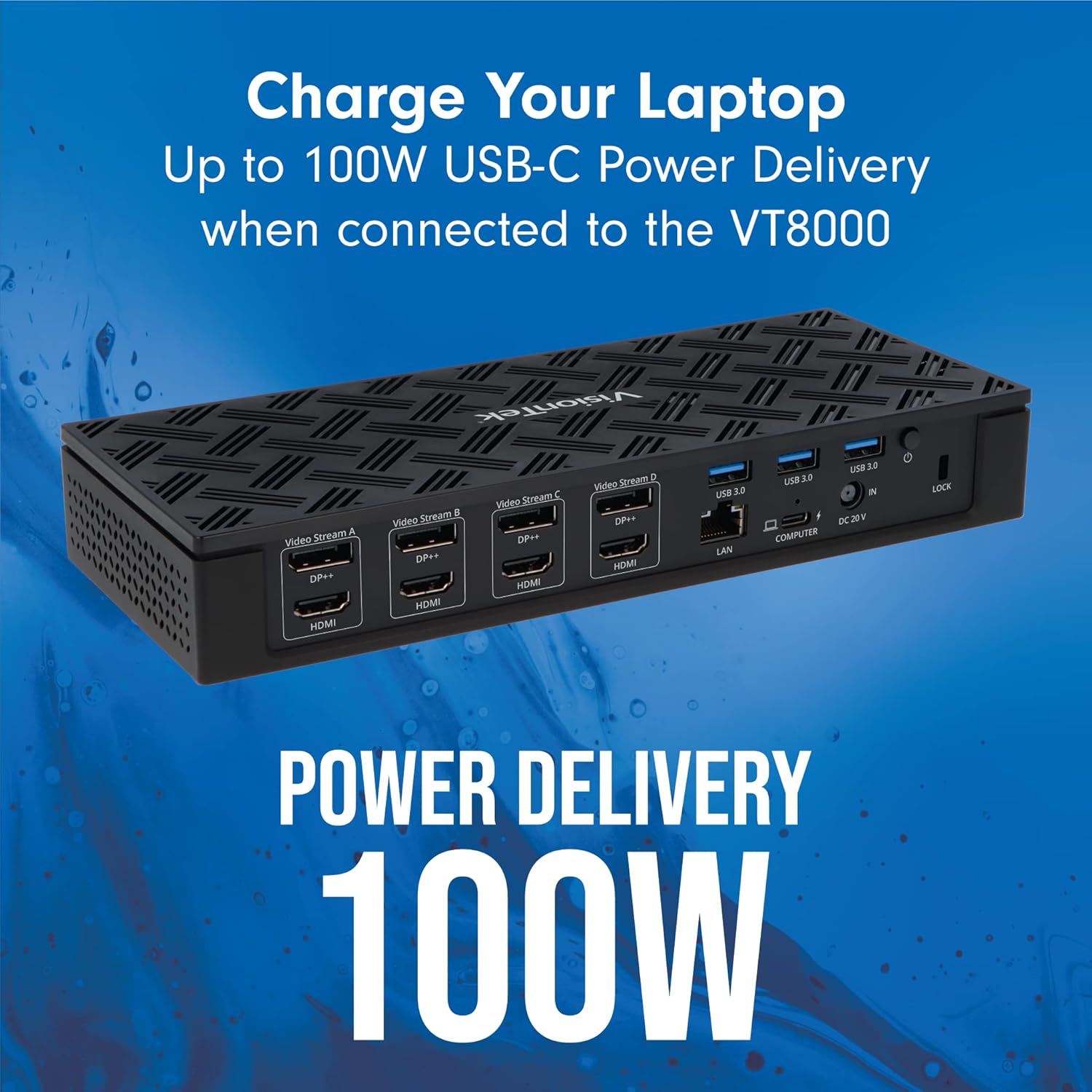
Image 4.2: The VT8000 docking station providing 100W USB-C Power Delivery to a connected laptop.
4.3. Universal ibamu
The docking station is designed for broad compatibility with Windows, macOS (including M1 Macs), and ChromeOS systems that have a USB-C or USB-A port (USB 3.0 or higher recommended for optimal performance).

Image 4.3: A laptop connected to the VT8000, illustrating its universal compatibility with various operating systems.
5. Itọju
To ensure the longevity and optimal performance of your VisionTek VT8000 docking station, follow these maintenance guidelines:
- Ninu: Use a soft, dry, anti-static cloth to clean the exterior of the docking station. Avoid using liquid cleaners or aerosol sprays, which can damage the device.
- Afẹfẹ: Rí i dájú pé ibùdó ìdúró ọkọ̀ náà wà ní ibi tí afẹ́fẹ́ ti ń fẹ́ dáadáa kí ó má baà gbóná jù. Má ṣe dí àwọn ihò afẹ́fẹ́ náà.
- Iṣakoso USB: Jeki awọn kebulu ṣeto ati ni ominira lati awọn kinks tabi atunse pupọ lati ṣe idiwọ ibajẹ si awọn kebulu ati awọn ebute oko oju omi.
- Ibi ipamọ: Tí o kò bá lò ó fún ìgbà pípẹ́, yọ adapter agbára náà kúrò kí o sì fi ibùdó ìdúró ọkọ̀ náà sí ibi tí ó tutù tí ó sì gbẹ.
6. Laasigbotitusita
If you encounter issues with your VT8000 docking station, refer to the following troubleshooting steps:
6.1. Ko si Abajade Ifihan
- Ṣayẹwo Awọn isopọ: Rí i dájú pé gbogbo àwọn okùn ìfihàn (HDMI/DisplayPort) ni a so pọ̀ mọ́ ibùdó ìdókòwò àti àwọn monitor láìléwu.
- Verify Host Connection: Confirm the USB-C cable connecting the dock to your laptop is firmly seated.
- Yiyipo Agbara: Disconnect the power adapter from the docking station, wait 10 seconds, then reconnect it. Restart your computer.
- Ṣayẹwo Awakọ: Ensure the latest DisplayLink drivers are installed and updated. Reinstall if necessary.
- Atẹle igbewọle: Verify your monitors are set to the correct input source (HDMI or DisplayPort).
6.2. Intermittent Display or Device Disconnections
- Iduroṣinṣin USB: Inspect all cables for damage. Try using different cables if available.
- Ibi ti ina elekitiriki ti nwa: Ensure the 180W power adapter is correctly connected and providing stable power.
- Driver Stability: Outdated or corrupted DisplayLink drivers can cause instability. Update or reinstall drivers.
- MacBook Sleep Issues: Some users report display disconnection after a MacBook enters sleep mode. Restarting the MacBook often resolves this. Ensure your macOS is updated and DisplayLink drivers are current. Adjust power settings to prevent deep sleep if this issue persists.
6.3. No Power Delivery to Laptop
- Ṣayẹwo Adapter Agbara: Confirm the 180W power adapter is fully connected to the dock and a working power outlet.
- Okun USB-C: Ensure you are using the provided USB-C to USB-C cable, which supports Power Delivery.
- Ibamu Kọǹpútà alágbèéká: Daju rẹ laptop atilẹyin USB-C Power Ifijiṣẹ.
6.4. Awọn ọrọ Asopọmọra Nẹtiwọọki
- Okun Ethernet: Ṣayẹwo asopọ okun Ethernet si mejeeji ibi iduro ati olulana/modẹmu rẹ.
- Ṣayẹwo Awakọ: Ensure network drivers are correctly installed.
- Rútà/Módémù: Tun ẹrọ nẹtiwọki rẹ bẹrẹ.
7. Awọn pato
| Ẹya ara ẹrọ | Sipesifikesonu |
|---|---|
| Nọmba awoṣe | VT8000 |
| Brand | VisionTek |
| Asopọ Gbalejo | USB-C or USB-A (via adapter) |
| Awọn abajade fidio | 4x HDMI, 4x DisplayPort (supports up to 4 displays simultaneously) |
| Ipinnu Max | 4096 x 2160 @ 60Hz (Quad Display), 5120 x 2880 @ 60Hz (Dual Display on Windows) |
| Awọn ibudo USB-A | 4x USB 3.0 (5Gbps) |
| Awọn ibudo USB-C | 1x USB-C PD (30W for peripherals) |
| Ifijiṣẹ Agbara | Títí dé 100W láti gbàlejò kọ̀ǹpútà alágbèéká |
| Àjọlò | 2.5 Gigabit àjọlò |
| Ohun | 1x Audio/Mic Combo Jack |
| Oluka kaadi | SD / Micro SD Kaadi Reader |
| Aabo | Kensington Titiipa Iho |
| Awọn ọna ṣiṣe | Windows 11, 10, 8.1, 7 | macOS 10.10 and later | ChromeOS |
| Awọn iwọn (LxWxH) | 3.86 x 2.5 x 1.5 inches |
| Iwọn | 1 iwon |
8. Atilẹyin ọja ati Support
8.1. atilẹyin ọja Information
VisionTek products are covered by a manufacturer's warranty. For specific details regarding the warranty period and terms for your VT8000 docking station, please refer to the warranty card included with your product or visit the official VisionTek webojula. Jeki ẹri rira rẹ fun awọn iṣeduro atilẹyin ọja.
8.2. Imọ Support
If you require technical assistance or have questions not covered in this manual, please contact VisionTek customer support. Support resources, including FAQs and contact information, can be found on the official VisionTek webojula:
VisionTek Webojula: www.visiontek.com
When contacting support, please have your product model number (VT8000) and a detailed description of your issue ready.