
1. Ọja Ipariview
The Inateck KU8212 is a high-performance USB PCIe expansion card designed to provide additional USB connectivity and charging capabilities to your computer. It features 8 USB ports, including 2 USB-C ports with Power Delivery (PD) and 6 USB-A ports with BC 1.2 charging protocol. This card offers a total bandwidth of 16 Gbps, with individual ports capable of up to 10 Gbps data transfer when used solely.
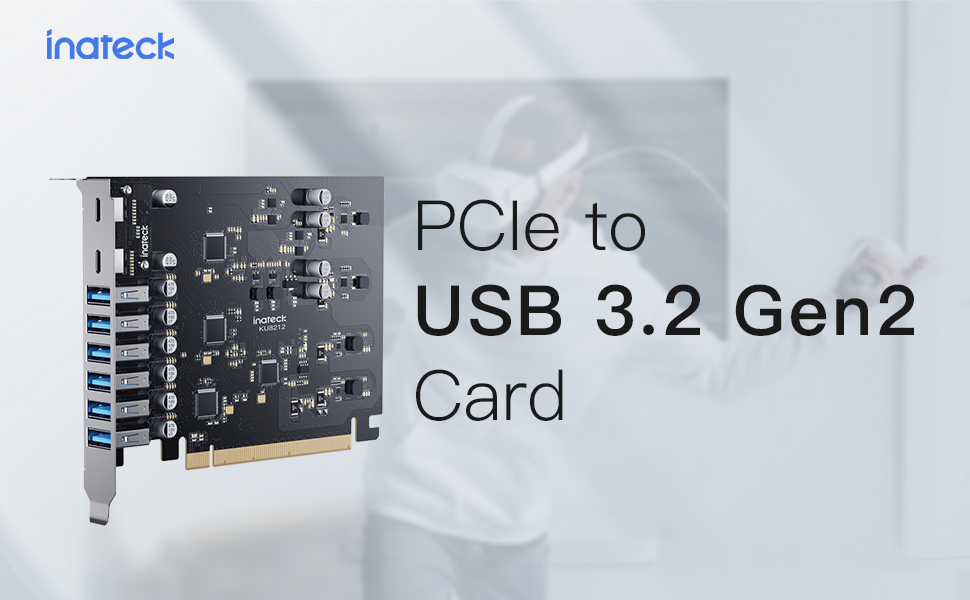
Image 1: Inateck KU8212 USB PCIe Card, showcasing its design and multiple ports.
The card is powered directly by the PCIe interface, eliminating the need for an external power supply. It incorporates overcurrent and ESD protection for enhanced device safety.
2. Package Awọn akoonu
Jọwọ rii daju pe gbogbo awọn nkan wa ninu package:
- Inateck KU8212 USB PCIe Card
- Ilana itọnisọna
- Mounting Screws (typically included for PCIe card installation)
Fidio 1: Pariview of the Inateck Power Supply USB PCIe Card KU8212, demonstrating its features and components.
3. System Awọn ibeere
Rii daju pe eto rẹ pade awọn ibeere wọnyi fun iṣẹ ṣiṣe to dara:
- Awọn ẹrọ ibaramu: Personal Computers, Laptops, Servers with an available PCIe slot.
- Eto isesise: Windows 7/8/10/11, Linux, Mac OS 10.8.2 and later.
- PCIe Iho: Compatible with PCIe 2.0, 3.0, and 4.0 slots.
- Agbara: The card is powered by the PCIe slot. For optimal performance, especially when utilizing the full 100W charging power (if applicable to your specific setup), ensure your chassis power supply can handle the additional power consumption.
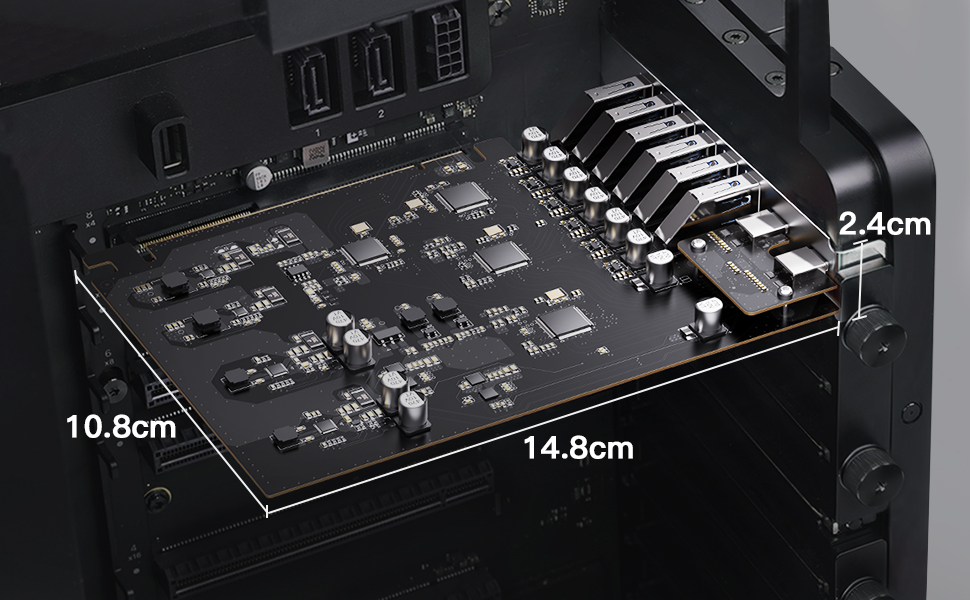
Image 2: Illustration of compatible operating systems: Windows 7/8/10/11, Mac OS 10.8.2 and later, and Linux.
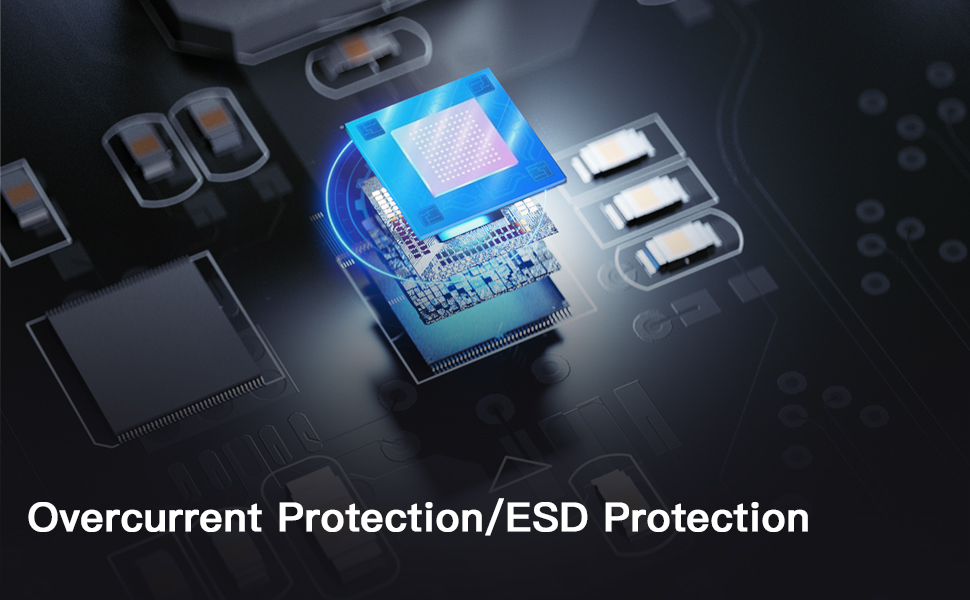
Image 3: Details on PCIe compatibility (2.0, 3.0, 4.0) and important notes regarding bandwidth allocation and power supply considerations.
4. Itọsọna fifi sori ẹrọ
4.1 Awọn iṣọra aabo
- Always power off your computer and unplug it from the power source before opening the case or installing any internal components.
- Discharge any static electricity by touching a grounded metal object (e.g., the computer chassis) before handling the card.
- Handle the PCIe card by its edges to avoid touching the gold connectors or components.
4.2 fifi sori Igbesẹ
- Mura Kọmputa Rẹ: Power down your computer completely and disconnect all cables. Open the computer case.
- Wa Iho PCIe ti o wa: Identify an empty PCIe x16, x8, or x4 slot on your motherboard. The card is designed to fit various slot sizes.
- Yọ Ideri Iho kuro: Remove the metal slot cover corresponding to the chosen PCIe slot on the back of your computer case.
- Fi kaadi PCIe sii: Carefully align the gold connectors of the Inateck KU8212 card with the chosen PCIe slot. Apply even, firm pressure to push the card straight down into the slot until it is fully seated. Ensure the retention clip (if present on your motherboard) locks the card in place.
- Ṣe aabo kaadi naa: Use a screw to secure the metal bracket of the PCIe card to the computer case.
- Ti apoti naa pa ki o si tun so pọ mọ: Close your computer case, reconnect all cables, and power on your computer.
- Fifi sori ẹrọ Awakọ (ti o ba jẹ dandan): For most modern operating systems (Windows 10/11, recent Linux distributions, Mac OS), drivers should install automatically. If the card is not recognized, check the Inateck website for specific driver downloads for your operating system.

Image 4: The Inateck KU8212 PCIe card correctly installed within a computer's PCIe slot.

Image 5: Detail showing the elevated design of the USB-C ports, preventing obstruction by chassis baffles.
5. Isẹ
5.1 Data Gbigbe
The Inateck KU8212 card supports USB 3.2 Gen 2 standard, offering high-speed data transfer. Each port can achieve up to 10 Gbps transfer rate when used individually. The 8 USB ports share a total bandwidth of 16 Gbps. For optimal performance, avoid simultaneously transferring large files on all ports if maximum speed is required for a specific device.
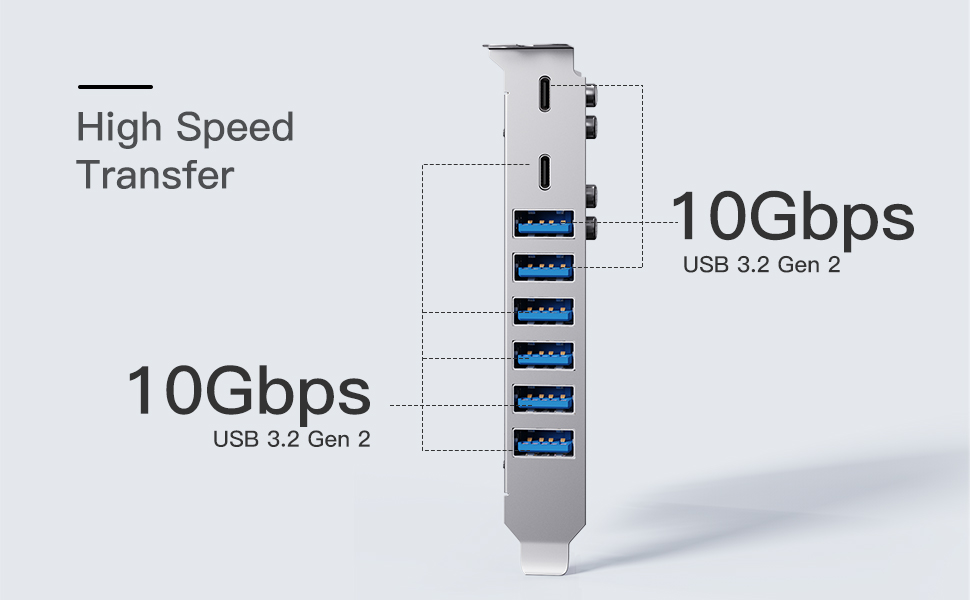
Image 6: Diagram illustrating the 10 Gbps data transfer rate per port and shared 16 Gbps bandwidth for USB 3.2 Gen 2.
5.2 Awọn agbara gbigba agbara
The card provides robust charging capabilities:
- Awọn ibudo USB-C (x2): Support Power Delivery (PD) protocol, providing up to 30W charging power per port. Suitable for recharging phones, tablets, and even some laptops.
- Awọn ibudo USB-A (x6): Support BC 1.2 protocol, providing up to 7.5W charging power per port. Ideal for charging smartphones and other standard USB devices.
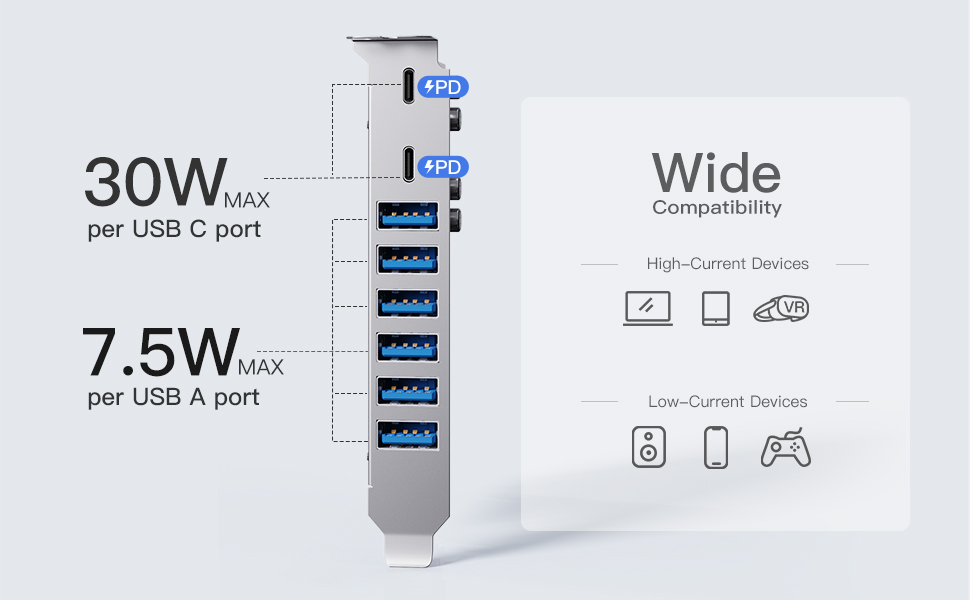
Image 7: Visual representation of charging capabilities: 30W Max per USB-C port and 7.5W Max per USB-A port.

Image 8: Demonstrates wide compatibility with both high-current devices (laptops, tablets, VR headsets) and low-current devices (speakers, phones, game controllers).
6. Itọju
To ensure the longevity and optimal performance of your Inateck KU8212 PCIe card, follow these maintenance guidelines:
- Jeki mimọ: Periodically open your computer case and gently clean any dust accumulation on the card using compressed air. Ensure the computer is powered off and unplugged before cleaning.
- Yago fun Bibajẹ Ti ara: Handle the card with care. Avoid bending or dropping it.
- Awọn ipo Ayika: Operate the card within standard computer operating temperatures and humidity levels.
7. Laasigbotitusita
7.1 Wọpọ Oran ati Solusan
- Kaadi Ko Ri:
- Rí i dájú pé káàdì náà wà ní ipò rẹ̀ pátápátá nínú ihò PCIe.
- Try a different PCIe slot if available.
- Verify that your operating system is compatible (Windows 7/8/10/11, Linux, Mac OS 10.8.2+).
- Check if drivers are installed. For older OS versions, manual driver installation might be required from the Inateck webojula.
- Awọn iyara Gbigbe Data lọra:
- Confirm that the connected device also supports USB 3.2 Gen 2 (10 Gbps).
- Ensure the PCIe slot used is compatible with PCIe 3.0 or 4.0 for optimal bandwidth. If the motherboard's allocated bandwidth/lane number for the PCIe interface is insufficient (e.g., PCIe 2.0 with 2X lanes instead of 4X for USB 3.2 Gen 2), speeds may be affected.
- Avoid simultaneous heavy data transfers on multiple ports if a single device requires maximum bandwidth.
- Refer to your motherboard's manual for information on PCIe lane allocation.
- Awọn ọran gbigba agbara:
- Ensure the device being charged supports the respective USB-C PD or USB-A BC 1.2 protocols.
- Check the charging cable for damage and ensure it supports the required power delivery.
- For high-power charging, ensure your computer's power supply unit (PSU) has sufficient wattage to support the card and connected devices.
7.2 Overcurrent and ESD Protection
The Inateck KU8212 PCIe card is equipped with advanced circuit design and an overcurrent-protection chip to prevent damage from sudden power fluctuations or overloads. It has also passed the IEC61000-4-2 Ed.2 ESD test, providing protection against electrostatic discharge, safeguarding both the card and connected devices.

Image 9: Illustration of the dual protection features, including overcurrent and ESD protection, integrated into the card's design.
8. Awọn pato
| Ẹya ara ẹrọ | Ẹ̀kúnrẹ́rẹ́ |
|---|---|
| Brand | Inateck |
| Nọmba awoṣe | KU8212 |
| Ni wiwo Hardware | PCI-Express x16 |
| Awọn ibudo USB | 8 (2x USB-C, 6x USB-A) |
| Standard USB | USB 3.2 Jẹn 2 |
| Oṣuwọn Gbigbe Data Max | 10 Gbps (per port, when used solely); 16 Gbps (total shared bandwidth) |
| USB-C Ngba agbara | Up to 30W per port (Power Delivery) |
| USB-A Ngba agbara | Up to 7.5W per port (BC 1.2) |
| Ọja Mefa | 5.83"L x 4.25"W x 0.94"H |
| Iwọn Nkan | 0.26 iwon |
| Ibamu Awọn ọna ṣiṣe | Windows 7/8/10/11, Linux, Mac OS 10.8.2 and later |
| Idaabobo Awọn ẹya ara ẹrọ | Overcurrent Protection, ESD Protection (IEC61000-4-2 Ed.2) |
9. Atilẹyin ọja ati Support
Inateck products are designed for reliability and performance. For warranty information or technical support, please refer to the official Inateck webojula tabi kan si wọn onibara iṣẹ taara. Tọju iwe-ẹri rira rẹ fun awọn ẹtọ atilẹyin ọja.
Ibi iwifunni: Jọwọ ṣabẹwo www.inateck.com fun awọn titun support oro ati olubasọrọ awọn alaye.