
LFF LWS125-EU
Ìwé Ìtọ́sọ́nà Olùlò Ibùdó Ojúọjọ́ LFF
Brand: LFF | Awoṣe: LWS125-EU
Ọrọ Iṣaaju
The LFF Weather Station is a versatile device designed to provide accurate indoor and outdoor environmental data, timekeeping, and weather forecasting. Equipped with multiple wireless sensors, it allows you to monitor temperature and humidity in various locations simultaneously. This manual provides detailed instructions for setup, operation, maintenance, and troubleshooting to ensure optimal performance of your weather station.
Ohun ti o wa ninu Apoti
- LFF Weather Station Main Display Unit
- 3 x Wireless Outdoor Sensors
- AC-AC Power Adapter
- Ìwé Ìtọ́sọ́nà Olùlò (PDF wà lórí ayélujára)
Ọja Pariview
Akọkọ Ifihan Unit
The main unit features a large 7.5-inch full-color touch screen that displays all relevant information clearly. It includes sections for time, date, weather forecast, barometric pressure trend, and temperature/humidity readings from the indoor sensor and up to three outdoor sensors. Seven touch buttons on the front panel allow for easy operation and settings adjustments.

Figure 1: Main Display Unit highlighting its 7.5-inch color screen and various display sections.
Awọn sensosi Alailowaya
The weather station comes with three wireless remote sensors designed for real-time monitoring of temperature and humidity in different outdoor or indoor locations. Each sensor has its own small display and transmits data wirelessly to the main unit up to a range of 330 feet (100 meters) in open areas. Ensure each sensor is set to a unique channel (1, 2, or 3) for proper communication.

Figure 2: Wireless sensors demonstrating their 330ft/100m transmission range for multi-location monitoring.
Ṣeto
Powering the Main Unit
- Connect the included AC-AC power adapter to the main unit and plug it into a standard wall outlet. The screen will remain on when using the adapter.
- (Optional) For battery backup, insert 2 x AAA batteries (not included) into the battery compartment. When operating on battery power only, the screen will automatically turn off after approximately 10 seconds to conserve energy.

Figure 3: Power supply options for the main weather station unit.
Installing Batteries in Wireless Sensors
- Open the battery compartment on the back of each wireless sensor.
- Insert 2 x AAA batteries (not included) into each sensor, observing the correct polarity (+/-).
- Set the channel switch inside each sensor's battery compartment to a unique channel (Channel 1, Channel 2, Channel 3). This is crucial for the main unit to distinguish between sensors.
- Pa awọn yara batiri naa ni aabo.
Pairing Sensors with Main Unit
The main unit will automatically search for and connect to the wireless sensors once they are powered on and within range. Ensure the sensors are placed within 330 feet (100 meters) of the main unit, avoiding large metal objects or thick walls that may interfere with the signal. For best results, place the main unit and sensors close to each other during initial pairing, then move sensors to desired locations.
Initial Setup and Atomic Clock Synchronization
Upon first power-up or after a reset, the weather station will attempt to synchronize with the WWVB atomic clock signal. Select the correct time zone (AST, EST, CST, MST, PST, AKT, HST) according to your location. The atomic clock function ensures accurate timekeeping without manual adjustments.
Video: Official LFF weather station overview, demonstrating features like atomic clock synchronization and multi-sensor display.
Awọn ilana Iṣiṣẹ
Siṣàtúnṣe Ifihan Imọlẹ
The main unit's display features 3 levels of adjustable brightness. Press the 'Light/Snooze' touch button on the front panel to cycle through bright, dim, and off settings. This allows you to customize the display's visibility based on ambient light conditions or personal preference.
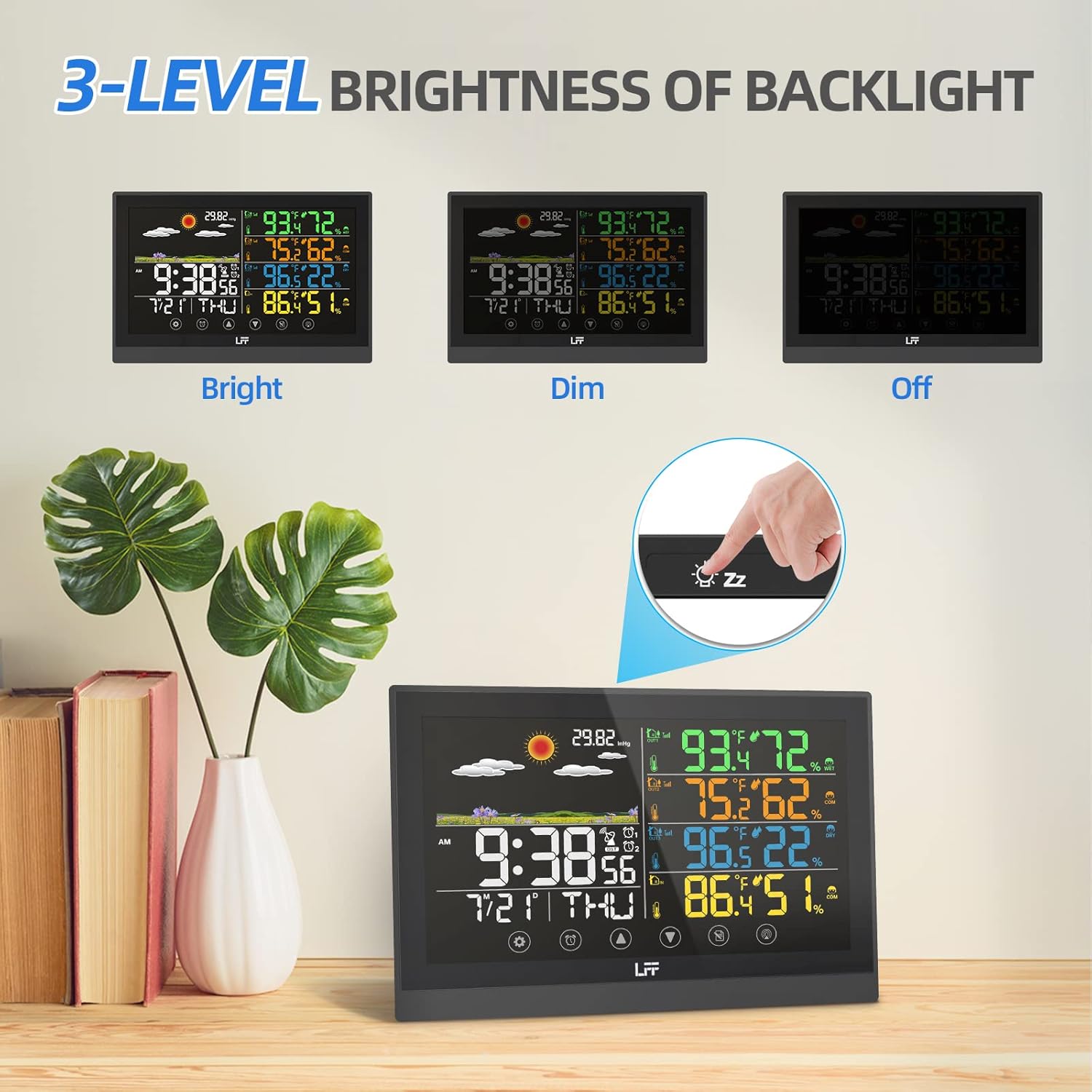
Figure 4: Demonstrates the three adjustable brightness levels of the weather station display.
Eto Awọn itaniji
The weather station supports two independent alarms with a snooze function. Use the 'Alarm' touch button to access and set alarm times. The snooze function provides a brief delay before the alarm sounds again, offering convenience for waking up.
Understanding Weather Forecast
The weather station predicts the weather for the next 6-12 hours based on barometric pressure fluctuations, not current weather conditions. The forecast is displayed using 6 intuitive weather icons: sunny, slightly cloudy, cloudy, rainy, heavy rainy, and snowy. This feature helps you prepare for upcoming weather changes.

Figure 5: Visual representation of the six weather forecast types.
Viewing Awọn iwọn otutu ati ọriniinitutu
The main display shows real-time temperature and humidity for the indoor environment and each connected outdoor sensor. The comfort level icon indicates whether the indoor environment is too dry, comfortable, or too wet, helping you maintain optimal living conditions.
Itoju
Batiri Rirọpo
When the low battery indicator appears on the display for either the main unit or a specific sensor, it's time to replace the batteries. For the main unit, replace 2 x AAA batteries. For each wireless sensor, replace 2 x AAA batteries. Always use fresh batteries and dispose of old ones responsibly.
Ninu
To clean the weather station, use a soft, damp cloth. Avoid abrasive cleaners or solvents that may damage the display or casing. Ensure the unit is powered off before cleaning.
Laasigbotitusita
| Oro | Owun to le Fa | Ojutu |
|---|---|---|
| Ko si ifihan/Ẹrọ ti ko tan ina | Ohun ti nmu badọgba agbara ko ni asopọ tabi aṣiṣe; awọn batiri sisan tabi ti ko tọ fi sii. | Check power adapter connection; replace batteries, ensuring correct polarity. |
| Outdoor sensor not connecting/displaying data | Sensor out of range; incorrect channel setting; sensor batteries drained. | Move sensor closer to main unit; ensure sensor channel matches main unit's setting; replace sensor batteries. |
| Aago ti ko tọ han | Atomic clock signal weak or not synchronized; incorrect time zone. | Ensure unit is in an open area for better signal reception; manually set time zone; allow time for automatic synchronization. |
| Awọn kika iwọn otutu / ọriniinitutu ti ko pe | Sensor exposed to direct sunlight or heat sources; sensor placed in an area with poor air circulation. | Relocate sensor to a shaded area away from direct heat/cold sources; ensure proper air circulation around the sensor. |
Awọn pato
| Ẹya ara ẹrọ | Ẹ̀kúnrẹ́rẹ́ |
|---|---|
| Ọja Mefa | 7.48 x 0.59 x 5.12 inches; 1.41 iwon |
| Nọmba Awoṣe Nkan | LWS125-EU |
| Batteries (Main Unit) | Awọn batiri AAA 2 nilo (kii ṣe pẹlu) |
| Batteries (Wireless Sensor) | 2 AAA batteries required per sensor (not included) |
| Orisun agbara | Corded Electric (5.0V AC, 0.15A AC-AC adaptor) |
| Ifihan Iru | 7.5" Full-Color Touch Screen |
| Alailowaya Gbigbe Ibiti | Up to 330ft/100m (open area) |
| Pataki Awọn ẹya ara ẹrọ | Weather forecast, Dual alarm, Atomic clock, Adjustable backlight |
| Ohun elo | Ṣiṣu |
| Àwọ̀ | Dudu |
Atilẹyin ọja & Atilẹyin
For detailed warranty information and further support, please refer to the official user manual provided with your product. A digital version of the user manual is also available online for your convenience.