
Casio AP-470
Casio AP-470 CELVIANO Digital Piano olumulo Afowoyi
Awoṣe: AP-470
1. Ifihan
This manual provides essential information for the setup, operation, and maintenance of your Casio AP-470 CELVIANO Digital Piano. Please read it thoroughly to ensure proper use and to maximize your enjoyment of this instrument.
The Casio AP-470 CELVIANO is an 88-key digital cabinet piano featuring advanced sound technology for an authentic playing experience. Key features include:
- Multi-dimensional Morphing AiR Sound Source: Reproduces the rich, resonating tones of an acoustic piano with expanded memory for longer sampling duration and enhanced waveform data quality.
- String Resonance System: Incorporates a stereo resonance simulator for all 88 keys, reproducing the complex sympathetic resonances of an acoustic piano.
- Key Off Simulator: Recreates tonal variations based on the speed at which fingers are released from the keys, adding realism to reverberations.
- Hall Simulator: Simulates the acoustic characteristics of various concert halls.
- Tri-sensor Scaled Hammer Action Keyboard II: Provides a grand piano's unique sounding timing and touch response with three sensors detecting key touches sequentially.

Figure 1: Casio AP-470 CELVIANO Digital Piano with accessories.
2. Eto
2.1 Unpacking ati Apejọ
Carefully unpack all components from the packaging. The Casio AP-470 is a cabinet-style digital piano and requires assembly. Refer to the separate assembly guide included with your product for detailed instructions on assembling the main unit, pedal unit, and stand. Ensure all screws and fasteners are securely tightened before use.
2.2 Nsopọ Agbara
- Connect the supplied AC adapter to the DC IN terminal on the rear of the piano.
- Pulọọgi AC ohun ti nmu badọgba sinu kan boṣewa iṣan iṣan.
2.3 Nsopọ Awọn agbekọri
For private practice, connect headphones to the 3.5mm headphone jack located on the front or side of the piano. The piano features two headphone jacks for duet practice or student/teacher use.
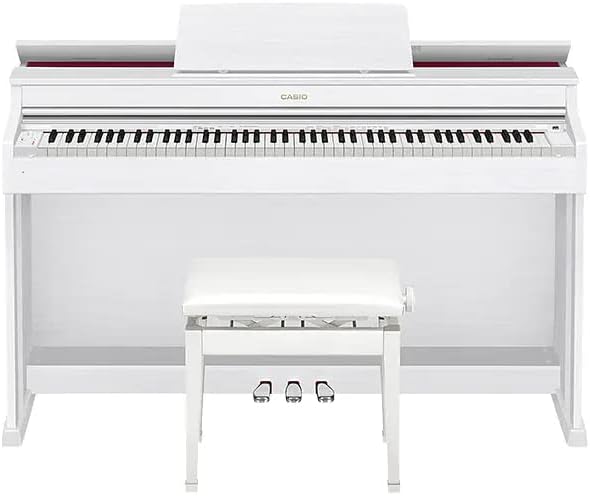
Figure 2: Assembled Casio AP-470 Digital Piano.
3. Awọn ilana Iṣiṣẹ
3.1 Agbara Tan / Pa
Tẹ awọn AGBARA button to turn the piano on. Press and hold the AGBARA bọtini lati pa a.
3.2 iwọn didun tolesese
Lo awọn Iwọn didun knob or buttons to adjust the overall sound level. Ensure the volume is set to an appropriate level before playing.
3.3 Aṣayan ohun
The AP-470 offers a variety of instrument tones. The primary grand piano sounds include Concert, Mellow, and Bright variations. Use the dedicated PIANO GRAND button or other OHUN selection buttons to cycle through or directly select different sounds. Refer to the detailed tone list in the full user manual for all available options.
3.4 Pedal Functions
The AP-470 includes three pedals: Damper (right), Sostenuto (middle), and Soft (left). These pedals function similarly to those on an acoustic grand piano, allowing for expressive control over sustain, selective sustain, and softer tones.
3.5 Hall Simulator
Activate the Hall Simulator function to apply various acoustic environments to your sound. This feature allows you to experience the sound of your piano as if played in different concert halls. Consult the full manual for specific hall types and adjustment procedures.
3.6 Key Off Simulator Adjustment
The Key Off Simulator can be adjusted to four levels to fine-tune the tonal nuances produced when releasing keys. Experiment with these settings to find your preferred response.

Figure 3: Keyboard and control panel of the AP-470.
4. Itọju
4.1 Ninu Ohun elo
To clean the piano's surface, use a soft, dry cloth. For stubborn dirt, lightly dampen the cloth with water and a mild, neutral detergent, then wipe dry immediately. Avoid using abrasive cleaners, solvents, or chemical sprays, as these can damage the finish. The included polishing cloth is ideal for maintaining the piano's appearance.
4.2 Itọju Gbogbogbo
- Yẹra fún fífi piano sí ojú oòrùn, ooru líle, tàbí ọriniinitutu gíga.
- Do not place heavy objects on the keyboard or lid.
- Keep liquids away from the instrument to prevent damage to electronic components.
5. Laasigbotitusita
If you encounter issues with your Casio AP-470, please refer to the following common solutions before contacting support.
| Isoro | Owun to le Fa / Solusan |
|---|---|
| Ko si ohun |
|
| Daru tabi ohun koyewa |
|
| Awọn bọtini ko dahun tabi ifọwọkan aisedede |
|
For issues not covered here, please consult the comprehensive user manual or contact customer support.
6. Awọn pato
| Ẹya ara ẹrọ | Ẹ̀kúnrẹ́rẹ́ |
|---|---|
| Orukọ awoṣe | CELVIANO AP-470 |
| Nọmba ti Awọn bọtini | 88 |
| Keyboard Iru | Tri-sensor Scaled Hammer Action Keyboard II |
| Orisun Ohun | Multi-dimensional Morphing AiR |
| Iwọn (Ọja) | 60 x 22 x 23 inches (isunmọ) |
| Iwọn Nkan | 140 poun (isunmọ) |
| Orisun agbara | AC ohun ti nmu badọgba |
| Asopọmọra | 3.5mm Jack (Headphones), Auxiliary |
| Àwọ̀ | Funfun |
| UPC | 840262228213 |
7. atilẹyin ọja Information
Specific warranty terms and conditions for the Casio AP-470 CELVIANO Digital Piano are provided by the manufacturer, Casio. Please refer to the warranty card included with your product or visit the official Casio website for detailed information regarding coverage, duration, and service procedures. Additional protection plans may be available from your retailer at the time of purchase.
8. Onibara Support
For technical assistance, troubleshooting beyond this manual, or warranty claims, please contact Casio customer support. You can typically find contact information on the official Casio webaaye tabi nipasẹ alagbata ti o ti ra ọja naa.
Visit the official Casio store for more information: Casio itaja lori Amazon
Ask a question about this manual
Ask about setup, troubleshooting, compatibility, parts, safety, or missing instructions. Manuals+ will review the question and use this page’s manual context to help answer it.