
1. Ifihan
The TENMARS TM-213 is a compact, professional UVAB light meter designed for accurate measurement of ultraviolet radiation. This device is suitable for a variety of applications, including industrial monitoring, UV sterilization, graphic arts, photochemical matching, UV EPROM erasure, photoresist exposure, and curing of inks, adhesives, and coatings. It is also useful for laboratory studies such as weathering degradation, virology, microbial genetics, DNA research, and biological hoods.
This manual provides detailed instructions for the safe and effective use of your TM-213 UVAB Light Meter. Please read it thoroughly before operation and retain it for future reference.
2. Alaye Aabo
To ensure safe operation and to prevent damage to the meter, please observe the following safety precautions:
- Do not operate the meter if it appears damaged or if the casing ṣii.
- Avoid exposing the meter to extreme temperatures, humidity, or direct sunlight for prolonged periods.
- Do not attempt to repair or modify the meter. Refer all servicing to qualified personnel.
- Remove batteries if the meter is not to be used for an extended period to prevent battery leakage.
- Jẹ́ kí sensọ náà mọ́ tónítóní kí ó sì wà láìsí ìdènà fún kíkà tó péye.
- This device measures UV radiation. Prolonged exposure to high levels of UV radiation can be harmful. Use appropriate personal protective equipment when working in environments with high UV levels.
3. Package Awọn akoonu
Rí i dájú pé gbogbo àwọn ohun tí a kọ sí ìsàlẹ̀ yìí wà ní ipò tó dára nígbà tí o bá ń tú wọn:
- TENMARS TM-213 UVAB Light Meter
- Itọsọna olumulo
- Ọran gbigbe
- Calibration Certificate (if included)
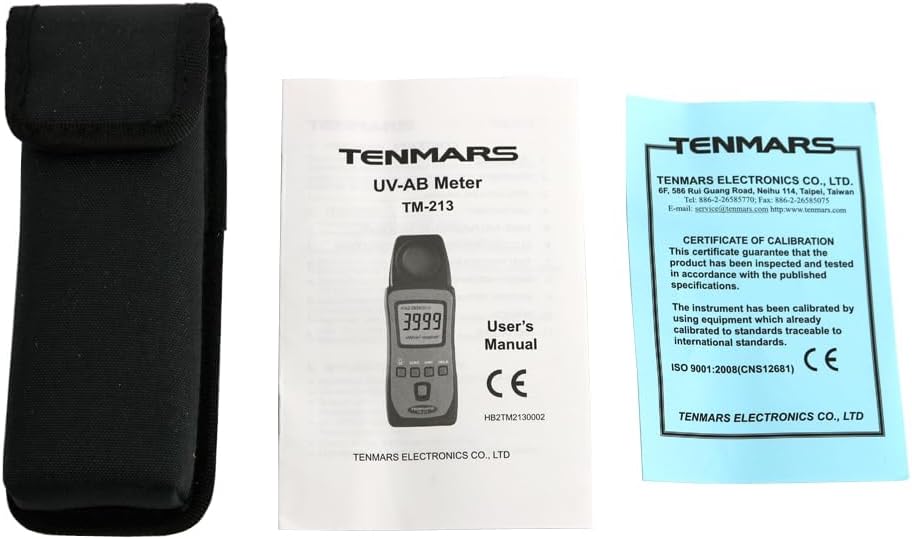
Image 3.1: The TENMARS TM-213 UVAB Light Meter package contents, showing the meter, its protective carrying case, the user manual, and a calibration certificate.

Image 3.2: The TENMARS TM-213 UVAB Light Meter, its carrying case, and the retail packaging.
4. Ẹrọ Loriview
Familiarize yourself with the components and controls of your TM-213 UVAB Light Meter.

Aworan 4.1: Iwaju view of the TM-213 meter. Key features include the LCD display, UV sensor with protective cap, and control buttons for power, zero, unit, and hold functions.
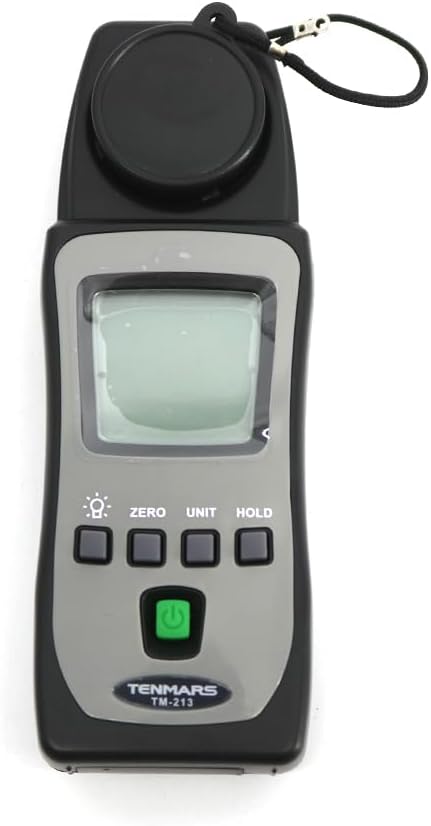
Aworan 4.2: Angled view of the TM-213 meter, providing a better perspective of its compact design and button placement.
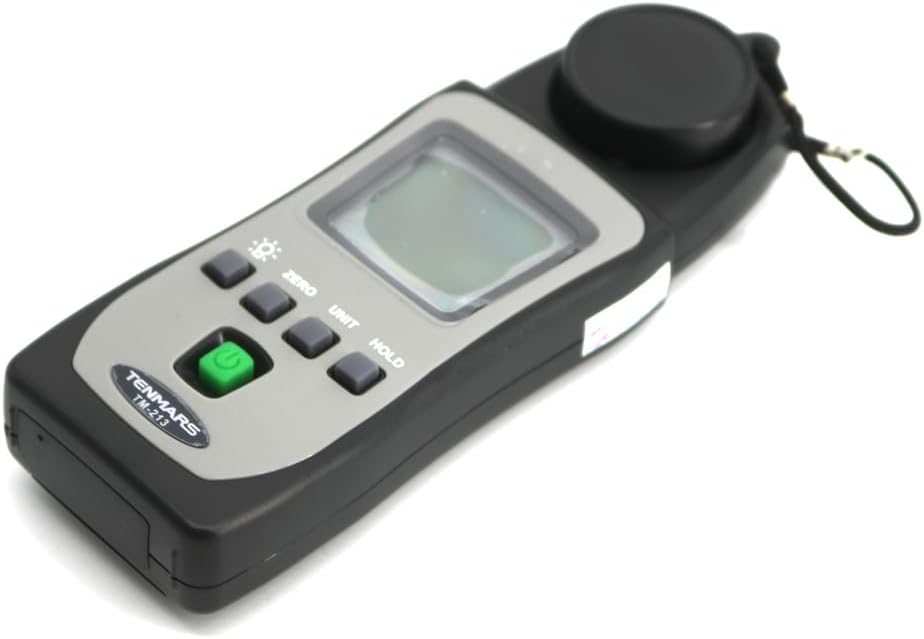
Image 4.3: Close-up of the UV sensor with its protective cap removed, ready for measurement.

Aworan 4.4: Pada view of the TM-213 meter, displaying the product label with specifications and the battery compartment cover.
4.1 Awọn iṣakoso ati Ifihan
- Ifihan LCD: Shows measurement readings, units, and other indicators.
- Bọtini agbara (●): Turns the meter ON or OFF.
- Bọtini ZERO: Used to zero the reading before measurement.
- Bọtini UNIT: Toggles between measurement units (uW/cm² and mW/cm²).
- Bọtini Dimu: Didi kika lọwọlọwọ lori ifihan.
- Sensọ UV: Detects UVAB radiation. Ensure it is clean and unobstructed.
5. Eto
5.1 Fifi sori batiri
The TM-213 requires two 1.5V AAA batteries for operation. Batteries are not included with the device.
- Wa ideri ibi ipamọ batiri naa ni ẹhin mita naa.
- Use a small screwdriver to loosen the screw securing the battery cover.
- Yọ ideri batiri kuro.
- Fi awọn batiri AAA 1.5V meji sii, ki o si kiyesi polarity ti o tọ (+/-) gẹgẹ bi a ti fihan ninu yara naa.
- Ropo ideri batiri ki o si Mu dabaru ni aabo.

Image 5.1: The battery compartment of the TM-213 meter with the cover removed, illustrating the correct placement for two AAA batteries.
5.2 Titan / Pa a
- To turn the meter ON, press the green Power button (●).
- To turn the meter OFF, press the green Power button (●) lẹẹkansi.
- The meter features an automatic shutdown function after approximately 15 minutes of inactivity to conserve battery life.
6. Awọn ilana Iṣiṣẹ
6.1 Gbigba Idiwon
- Ensure batteries are installed and the meter is powered ON.
- Remove the protective cap from the UV sensor.
- Zeroing the Meter: In an area with no UV light (e.g., in a dark room or with the sensor completely covered), press the ZERO button. The display should show "0" or a value very close to zero. This step ensures accuracy.
- Position the UV sensor towards the UV source or area you wish to measure.
- Read the UV radiation value displayed on the LCD screen. The measurement updates approximately every 3 seconds.
6.2 Yiyipada Iwọn Iwọn
The TM-213 can display readings in microwatts per square centimeter (uW/cm²) or milliwatts per square centimeter (mW/cm²).
- Tẹ awọn UNIT button to toggle between uW/cm² and mW/cm².
- Note that 1000 uW/cm² is equivalent to 1 mW/cm².
6.3 Data idaduro Išė
Láti dì kíkà tó wà lórí ìbòjú náà:
- Tẹ awọn DIMU button during a measurement. The reading will be frozen.
- Tẹ awọn DIMU button again to release the reading and resume live measurement.
7. Itọju
7.1 Ninu
- Nu mita c naaasing pẹlu asọ, damp asọ. Ma ṣe lo abrasive ose tabi epo.
- Keep the UV sensor clean and free of dust or debris. Use a soft, lint-free cloth to gently clean the sensor surface.
7.2 Ibi ipamọ
- When not in use, always place the protective cap over the UV sensor.
- Store the meter in its carrying case to protect it from dust, moisture, and physical damage.
- Tí o bá ń tọ́jú rẹ̀ fún ìgbà pípẹ́, yọ àwọn bátìrì náà kúrò kí ó má baà jò.
- Tọju ni itura, aye gbigbẹ kuro lati orun taara ati awọn iwọn otutu to gaju.

Image 7.1: The TM-213 meter stored in its protective plastic bag and carrying case, demonstrating proper storage for longevity.
8. Laasigbotitusita
If you encounter issues with your TM-213 meter, refer to the table below for common problems and solutions.
| Isoro | Owun to le Fa | Ojutu |
|---|---|---|
| Mita ko ni agbara lori. | Awọn batiri ti o ku tabi ti ko tọ ti fi sori ẹrọ. | Check battery polarity. Replace with fresh 1.5V AAA batteries. |
| Display shows "OL". | Overload condition; UV radiation exceeds the meter's range. | Move the meter further from the UV source or use in a lower intensity environment. |
| Awọn kika ti ko pe tabi iyipada. | Dirty sensor, improper zeroing, or external interference. | Clean the UV sensor. Perform a zero calibration in a dark environment. Ensure no strong electromagnetic fields are nearby. |
| Meter shuts off unexpectedly. | Automatic shutdown activated or low battery. | This is normal after 15 minutes of inactivity. If it happens during use, replace batteries. |
9. Awọn pato
Technical specifications for the TENMARS TM-213 UVAB Light Meter:
| Paramita | Ẹ̀kúnrẹ́rẹ́ |
|---|---|
| Ifihan | 3¾ digit LCD with a maximum reading of 4000 |
| Iwọn Iwọn | 3999 uW/cm² to 39.99 mW/cm² (1000 uW/cm² = 1 mW/cm²) |
| UV Sensor Spectrum | Bandpass from 290 nm to 390 nm |
| Yiye | ±4% FS + 2 digits (FS: full scale 15% for UV sunlight) |
| Maximum Sensitivity Wavelength | 365nm |
| SampAkoko ling | O fẹrẹ to awọn aaya 3 |
| Lori-ibiti Itọkasi | "OL" displayed on screen |
| Ibi ti ina elekitiriki ti nwa | 2 x 1.5V AAA batiri |
| Tiipa aifọwọyi | Lẹhin isunmọ iṣẹju 15 ti aiṣiṣẹ |
| Dimensions (Main Instrument) | 133 x 48 x 27 mm (5.24 x 1.89 x 1.06 inches) |
| Weight (Main Instrument) | Isunmọ 90 g (0.2 lbs) |
| EMC Ibamu | Complies with EN61326 (1997) + A1 (1998) + A2 (2001) |
| Ohun elo | Ṣiṣu |
10. Atilẹyin ọja ati Support
TENMARS products are designed for reliability and performance. For specific warranty information, please refer to the warranty card included with your product or contact your local TENMARS distributor or customer service.
For technical support, troubleshooting assistance beyond this manual, or service inquiries, please contact TENMARS customer support through their official webaaye tabi alaye olubasọrọ ti a pese ninu iwe ọja rẹ.
Note: The provided JSON includes a "Certificate of Calibration" image, indicating that the product is calibrated and tested according to international standards. This supports the quality and reliability of the device.