1. Ifihan
Thank you for choosing the BAOSHISHAN A8-560 Food Waste Disposer. This unit is designed to efficiently process food waste, helping to maintain a clean and hygienic kitchen environment. Featuring a large 1200ml processing chamber, a 6-level grinding technology, and a convenient wireless switch, this disposer offers enhanced safety with its blade-free design and multiple noise reduction layers.
This manual provides essential information for the safe installation, operation, and maintenance of your food waste disposer. Please read it thoroughly before use and retain it for future reference.

Figure 1.1: BAOSHISHAN Kitchen Waste Disposal Unit installed under a sink, illustrating its function in preventing bacterial growth and sewer blockages.
2. Alaye Aabo
IKILO: To reduce the risk of electric shock, injury, or fire, always follow these basic safety precautions.
- This food waste disposer is only suitable for stainless steel sinks. Do not install on ceramic sinks.
- Rí i dájú pé a ti ge ina agbara kuro ṣaaju fifi sori ẹrọ, itọju, tabi mimọ.
- Do not put hands or foreign objects into the disposer opening while it is operating. The blade-free design minimizes risk, but caution is still necessary.
- Avoid disposing of hot oil, hair, cartons, plastic/paper bags, fresh meat (large pieces), or other non-food waste. Refer to the 'Operating Instructions' for a detailed list of acceptable and unacceptable items.
- The unit is equipped with an overload protection system that automatically shuts down the device in case of overcurrent or electrical shock risk. If this occurs, allow the unit to cool before attempting to reset.
- Keep children away from the disposer and its controls.
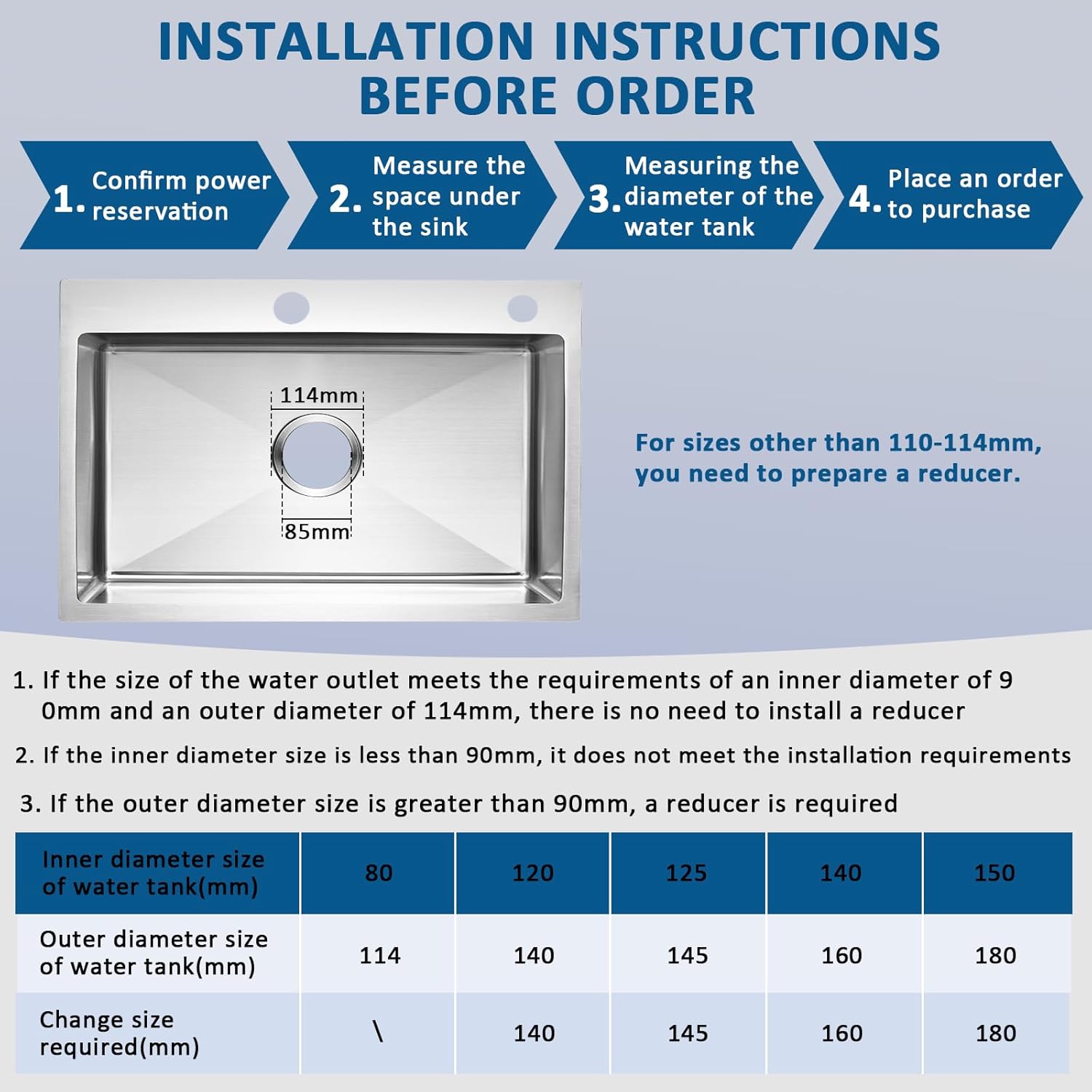
Figure 2.1: Safety features including the anti-splash cover, blade-free design, dishwasher connection, and overload protection system.
3. Ọja irinše ati Awọn ẹya ara ẹrọ
3.1 Pẹlu Awọn ẹya ẹrọ miiran
The BAOSHISHAN A8-560 Food Waste Disposer comes with the following components:
- Food Waste Disposer Unit
- Wireless Switch Transmitter
- Olugba Yipada Alailowaya
- Battery for Transmitter
- Adhesive for Transmitter
- Lilẹ Oruka
- Itọka Hexagonal
- Hose
- Tee Bend
- Interface components
- Wireless Switch Instructions
- Ọja Afowoyi

Figure 3.1: Product Accessories.
3.2 Key Awọn ẹya ara ẹrọ
- Agbara nla: 1200ml processing chamber for efficient disposal of various food waste.
- 6-Level Grinding Technology: Advanced grinding system with four layers of grinding to pulverize food waste into a fine paste, preventing pipe blockages.
- Blade-Free Design: Features a thickened stainless steel inner chamber, stainless steel rotating impeller, and impact-resistant alloy hammer for safe and effective grinding without blades.
- Yipada Ailokun: Convenient remote control switch that can be affixed anywhere in the kitchen, eliminating the need for complex wiring or drilling.
- 4-Layer Idinku Ariwo: Incorporates a splash guard, sound-absorbing cotton, sealing ring, and a thickened casing to minimize operating noise.
- Idaabobo Apọju: Automatic shutdown system to prevent damage from overcurrent or electrical issues.
- Asopọmọra apẹja: Compatible with dishwasher drainage for integrated kitchen waste management.

Figure 3.2: Key Product Features.

Figure 3.3: More Refined Grinding Methods and Noise Reduction Components.

Figure 3.4: 4-Layer Noise Reduction System.
4. Itọsọna fifi sori ẹrọ
4.1 Pre-Fifi sọwedowo
Before proceeding with the installation, ensure the following:
- Confirm Power Reservation: Ensure a suitable 220V AC power outlet is available under the sink.
- Measure Under-Sink Space: Verify that there is adequate space for the disposer unit (dimensions: 22 x 22 x 38 cm).
- Measure Water Tank Diameter: The water outlet of your sink must have an inner diameter of 90mm and an outer diameter of 114mm for direct installation. If the inner diameter is less than 90mm, it does not meet installation requirements. If the outer diameter is greater than 90mm, a reducer is required. Refer to the table below for reducer requirements.

Figure 4.1: Pre-Installation Instructions and Sink Measurement Guide.
Reducer Requirements Table
| Inner diameter of water tank (mm) | Outer diameter of water tank (mm) | Reducer size required (mm) |
|---|---|---|
| 80 | 114 | N/A |
| 120 | 140 | 140 |
| 125 | 145 | 145 |
| 140 | 160 | 160 |
| 150 | 180 | 180 |
4.2 kuro fifi sori
Follow the detailed instructions provided in the separate 'Product Manual' included with your accessories for the physical installation of the disposer unit to the sink and plumbing connections. Ensure all seals are properly seated to prevent leaks.
4.3 Wireless Switch Installation and Pairing
The wireless switch offers convenient operation without the need for wiring or drilling.
- Pair the Receiver and Transmitter: Follow the specific pairing instructions in the 'Wireless Switch Instructions' manual. This typically involves pressing a button on both units within a short timeframe.
- Fix the Transmitter: Use the provided adhesive to fix the transmitter to a convenient location on your kitchen wall or cabinet.
- So Olugba naa pọ: Plug the receiver into a 220V AC power outlet and connect it to the disposer unit's power input.

Figure 4.2: Wireless Switch Installation and Use.
4.4 Itanna ati Plumbing awọn isopọ
Ensure all electrical connections are secure and comply with local regulations. The unit requires a 220V AC power supply. Connect the water pipe and, if applicable, the dishwasher drainage hose to the designated interface on the disposer.

Figure 4.3: Single and Double Sink Connection Diagrams.
5. Awọn ilana Iṣiṣẹ
5.1 Gbogbogbo isẹ Igbesẹ
Operating your BAOSHISHAN Food Waste Disposer is a simple four-step process:
- Turn on the Faucet: Start a medium flow of cold water into the sink. Cold water helps to flush food particles and solidify any grease, preventing clogs.
- Turn on the Processor: Press the wireless switch to activate the disposer.
- Pour Food Waste: Gradually feed food waste into the sink opening while the disposer is running and water is flowing.
- Turn off the Processor: Once all food waste has been processed and only the sound of water and the motor is heard, turn off the disposer. Allow the cold water to run for a few more seconds to flush the grinding chamber and drain pipes.

Figure 5.1: 4 Steps to Handle Kitchen Waste.
5.2 Acceptable and Unacceptable Waste
The BAOSHISHAN A8-560 is designed to grind a wide range of food waste effectively. However, certain items should never be put into the disposer.
Acceptable Waste:
- Seafood/Shrimp Shells
- Small Bones (e.g., chicken bones, fish bones)
- Vegetables and Fruits (cores, peels, leaves, stems)
- Leftovers (food scraps)
- Fruit cores, peels, vegetable leaves and stems, food scraps, bones, and shells.
Unacceptable Waste:
- Hot oil or grease (can solidify and clog pipes)
- Irun
- Awọn paali
- Plastic/paper bags
- Large pieces of fresh meat
- Other non-food waste (e.g., glass, metal, rubber, fabric)

Figure 5.2: Disposables and Non-Disposables.
5.3 Awọn fidio ọja osise
Video 5.1: Product demonstration of the BAOSHISHAN Food Waste Disposer in operation (0:49).
Video 5.2: Vertical format product demonstration of the BAOSHISHAN Food Waste Disposer (0:30).
6. Itọju
The BAOSHISHAN Food Waste Disposer is designed for minimal maintenance. The advanced grinding technology helps prevent food waste from clumping and blocking pipes, reducing the need for frequent cleaning.
- Flushing deedee: Always run cold water for a few seconds after turning off the disposer to ensure all particles are flushed through the drain.
- Iṣakoso oorun: To prevent odors, occasionally grind citrus peels (lemon, orange) with cold water.
- Yago fun Kemikali lile: Do not use chemical drain cleaners, as they can damage the disposer and plumbing.
- Cleaning the Splash Guard: Periodically remove the splash guard and clean it to remove any accumulated food particles.
7. Laasigbotitusita
If you encounter any issues with your food waste disposer, refer to the following common problems and solutions:
- Idasonu Ko Bẹrẹ:
- Check if the unit is properly plugged into a working 220V AC outlet.
- Verify that the wireless switch receiver is powered and paired correctly with the transmitter.
- Check the overload protection button (usually red) located on the bottom of the disposer. If it has popped out, press it to reset. Allow the motor to cool for a few minutes before resetting if it was recently used.
- Àwọn ohun tí ń mú kí àwọn ènìyàn máa dún ṣùgbọ́n wọn kì í lù ú:
- This indicates an object is jammed in the grinding chamber. Turn off the disposer and disconnect power. Use the hexagonal wrench (provided) to insert into the center hole on the bottom of the disposer and turn it back and forth to free the jam. Remove the object with tongs or pliers (never your hand) and then press the reset button.
- Njo:
- Check all plumbing connections for tightness. Ensure the sealing ring is correctly installed.
- Inspect the sink flange and mounting assembly for proper installation and sealing.
- Ariwo Pupọ:
- Some operating noise is normal due to the grinding process. However, if the noise is unusually loud or metallic, an object might be loose in the grinding chamber. Turn off the disposer, disconnect power, and inspect the chamber.
- Ensure the disposer is securely mounted to the sink.
8. Awọn pato
Technical specifications for the BAOSHISHAN A8-560 Food Waste Disposer:
| Sipesifikesonu | Iye |
|---|---|
| Nọmba awoṣe | A8-560 |
| Olupese | BAOSHISHAN |
| Ọja Mefa | 22 x 22 x 38 cm |
| Apapọ iwuwo | 6.5 kg |
| Àwọ̀ | Pink |
| Voltage Igbohunsafẹfẹ | 220V/50Hz |
| Agbara | 560W |
| Iyẹwu Agbara | 1200ML |
| Grinding Grade | 6 Awọn ipele |
| Iṣakoso Yipada | Wireless (Switch Pairing) |
| Apọju Idaabobo | Bẹẹni |
| Dishwasher Interface | Bẹẹni |

olusin 8.1: Ọja Parameters.