
AirWire ACP2012BQ
AirWire 12' x 20' Heavy Duty Portable Carport Instruction Manual
Brand: AirWire
Awoṣe: ACP2012BQ
1. Ifihan
Thank you for choosing the AirWire 12' x 20' Heavy Duty Portable Carport. This manual provides essential information for the safe and efficient assembly, operation, and maintenance of your new carport. Please read all instructions carefully before beginning assembly and retain this manual for future reference.
This carport is designed to provide robust protection for vehicles, boats, or serve as a versatile shelter for outdoor events. Its durable construction and thoughtful features ensure long-lasting performance.

Figure 1.1: The AirWire 12' x 20' Heavy Duty Portable Carport, providing shelter for a vehicle.
2. Awọn Ikilọ Abo pataki
Ikuna lati tẹle awọn ilana aabo le ja si ipalara nla tabi ibajẹ ohun-ini.
- Idaduro to tọ: Ensure the carport is securely anchored to the ground using all provided ground stakes and cables. In areas prone to high winds or severe weather, additional anchoring methods (e.g., concrete anchors, heavy-duty auger anchors, sandbags) are strongly recommended.
- Agbara iwuwo: Do not exceed the structural weight capacity of the carport. Avoid hanging heavy objects from the frame.
- Apejọ ati Itupalẹ: Exercise extreme caution during assembly and disassembly. Wear appropriate personal protective equipment, including gloves and safety glasses. Work with at least two people for safe handling of components.
- Ewu ina: Keep the carport away from open flames, heaters, and other ignition sources. The polyethylene material is flammable.
- Yíyọ yìnyín àti yìnyín kúrò: In snowy conditions, regularly remove accumulated snow and ice from the canopy to prevent structural collapse. Do not allow heavy snow loads to remain on the roof.
- Aṣayan Aaye: Choose a level, well-drained area for installation. Avoid placing the carport under power lines or near trees with falling branches.
3. Package Awọn akoonu
Before beginning assembly, verify that all parts listed below are present and undamaged. If any parts are missing or damaged, contact customer service immediately.
| Ẹya ara ẹrọ | Apejuwe | Opoiye |
|---|---|---|
| Ideri ibori | 180g Polyethylene material, black, UV and water-resistant. | 1 |
| Frame Poles | Heavy-duty galvanized metal poles for main structure. | (Various, refer to parts list in box) |
| Frame Joints | Artfully welded connectors for poles. | (Various, refer to parts list in box) |
| Awọn ipin ilẹ | For securing the carport to the ground. | (Various, refer to parts list in box) |
| Cables/Ropes | For additional stability and anchoring. | (Various, refer to parts list in box) |
| Awọn Paneli ẹgbẹ | Removable panels with roll-up windows and side-opening door. | (Various, refer to parts list in box) |
| Ilana itọnisọna | Iwe yi. | 1 |

Figure 3.1: Detail of the upgraded square base with four anchoring points.
4. Eto ati Apejọ
Assembly is designed to be straightforward. Each part is specifically numbered. No additional tools are typically required beyond what may be included or commonly available household items (e.g., a hammer for stakes).
- Mura Aye naa: Select a flat, clear area for assembly. Ensure adequate space around the carport for installation and future access.
- Assemble the Top Frame (Step 1): Begin by connecting the top frame poles and joints according to the numbered parts in your specific parts list. Lay them out on the ground to form the roof structure.
- Assemble 8 Pillar Steel Pipes (Step 2): Attach the vertical support poles (pillars) to the assembled top frame. Ensure all connections are secure.
- Cover the Frame with Tarpaulin (Step 3): Carefully drape the main canopy cover over the assembled frame. Align it properly to ensure even coverage.
- Cover the Sides with Tarpaulins (Step 4): Attach the side panels, including those with roll-up windows and the side-opening door, to the main frame. Secure them as per the instructions.
- Secure Carport with Ground Nails (Step 5): Once the structure is complete, use the provided ground stakes and cables to firmly anchor the carport to the ground. Ensure all anchoring points are utilized for maximum stability.

Figure 4.1: Visual guide for the carport assembly steps.
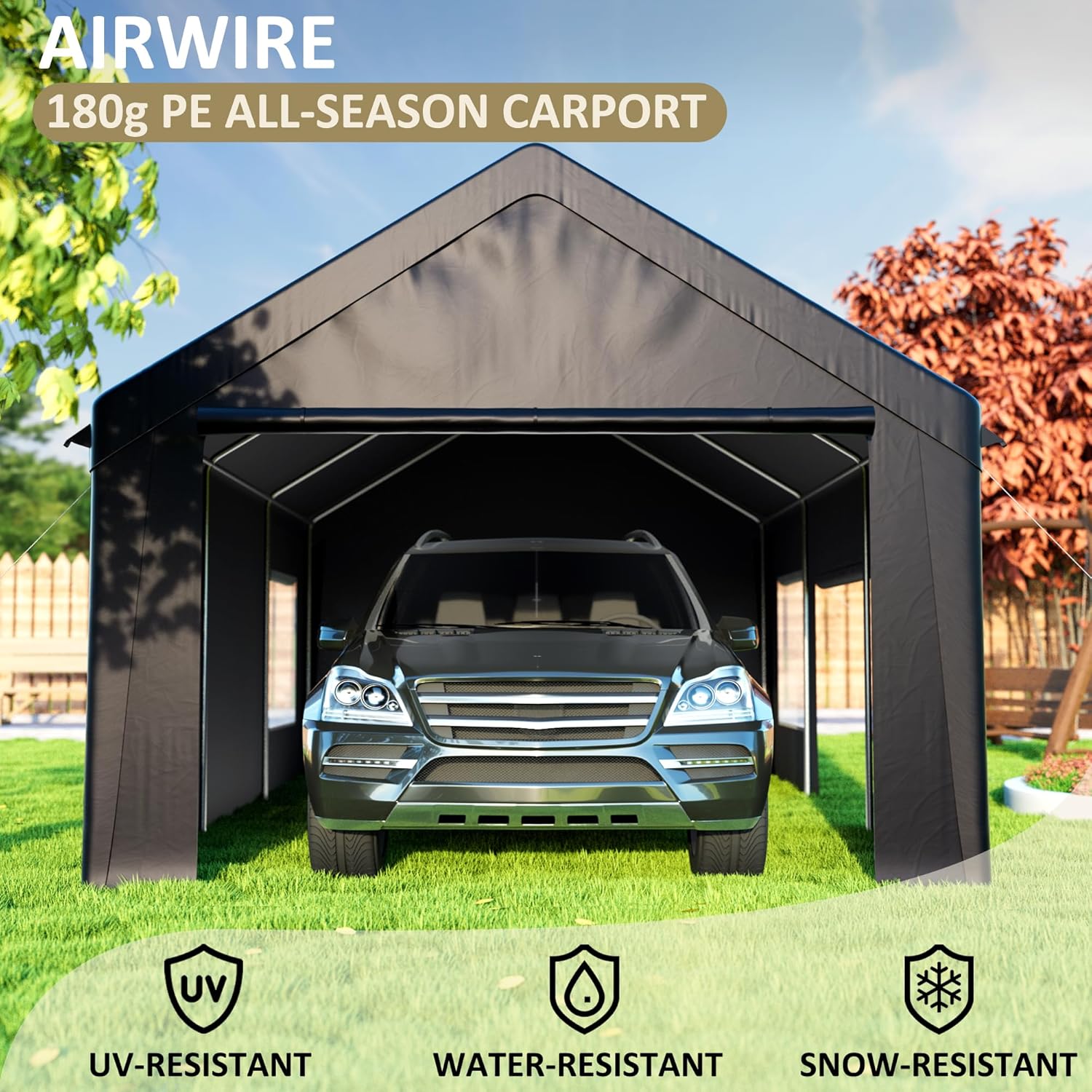
Figure 4.2: The assembled carport highlighting its all-season protective qualities.
5. Isẹ ati Lilo
The AirWire carport offers flexible usage options thanks to its thoughtful design.
5.1 Roll-Up Windows and Side-Opening Door
The carport features four roll-up mesh windows on both sides and a unique side-opening door. These features are designed to provide excellent ventilation and easy access.
- To open a window, unfasten the securing straps or zippers and roll the window panel upwards. Secure it in the rolled-up position using the attached fasteners.
- To close a window, unfasten it from the rolled-up position and carefully unroll it downwards, securing it with the straps or zippers.
- The side-opening door operates similarly, allowing for convenient entry and exit without needing to open the main front or rear panels.

Figure 5.1: Accessible design with enhanced ventilation through roll-up windows and side door.
5.2 Lilo Oniruuru
Beyond vehicle storage, the carport's removable sidewalls make it adaptable for various outdoor functions:
- Ibi ipamọ ọkọ: Protects cars, trucks, boats, and other vehicles from sun, rain, and snow.
- Awọn iṣẹlẹ ita gbangba: With sidewalls removed, it can serve as an open canopy for parties, gatherings, or business functions, providing shade and a designated space.
- Ibi ipamọ gbogbogbo: Ideal for storing lawnmowers, bikes, garden equipment, and other items that require protection from the elements.

Figure 5.2: Multi-purpose use as an open canopy for outdoor gatherings.
6. Itọju
Regular maintenance will extend the life of your AirWire carport.
- Ninu: Clean the canopy and frame periodically with mild soap and water. Avoid harsh chemicals or abrasive cleaners that could damage the material or finish. Rinse thoroughly.
- Awọn ayewo: Regularly inspect all frame connections, anchoring points, ropes, and the canopy material for any signs of wear, damage, or loosening. Tighten connections and replace damaged parts as needed.
- Yinyin ati Yinyin: As mentioned in safety warnings, promptly remove snow and ice accumulation from the canopy to prevent structural strain. Use a soft brush or broom to avoid damaging the material.
- Ibi ipamọ: If disassembling for storage, ensure all components are clean and dry before packing. Store in a cool, dry place away from direct sunlight and extreme temperatures.
7. Laasigbotitusita
Abala yii n ṣalaye awọn ọran ti o wọpọ ti o le ba pade.
| Isoro | Owun to le Fa | Ojutu |
|---|---|---|
| Carport feels unstable or sways in wind. | Insufficient anchoring; loose frame connections; extreme weather. | Ensure all ground stakes and cables are properly installed and taut. Check and tighten all frame connections. Consider additional heavy-duty anchoring in windy conditions. Disassemble if extreme weather is expected. |
| Omi pooling lori ibori. | Improper canopy tension; excessive snow/rain load. | Adjust canopy tension to ensure water runoff. Remove snow/ice promptly. |
| Ìṣòro Nto ọpá. | Misalignment; minor manufacturing variations. | Ensure parts are correctly oriented. Apply gentle force or slightly rotate poles to align. Do not force connections excessively. Refer to numbered parts. |
| Tears or holes in canopy material. | Àwọn nǹkan mímú; fífi ara hàn fún ìgbà pípẹ́ sí àwọn ohun tó le koko; ìbàjẹ́ àti ìyapa. | Patch small tears with a suitable repair kit. For large damages, replacement of the canopy may be necessary. |
8. Awọn pato
| Iwa | Ẹ̀kúnrẹ́rẹ́ |
|---|---|
| Brand | AirWire |
| Nọmba awoṣe | ACP2012BQ |
| Awọn iwọn Ọja (L x W x H) | 144"L x 235"W x 119"H (12' x 20' x 9.9') |
| Agbegbe Ilẹ | 288 Square Ẹsẹ |
| Iwọn Nkan | 145.5 iwon |
| Ohun elo ibori | 180g Polyethylene (PE) |
| Ohun elo fireemu | Heavy-Duty Galvanized Metal |
| Àwọ̀ | Dudu |
| Omi Resistance Ipele | Mabomire |
| Ultraviolet Light Idaabobo | Bẹẹni |
| Apejọ ti a beere | Bẹẹni |
| Pataki Awọn ẹya ara ẹrọ | Side-opening door, Roll-up windows, Reinforced four-hole base, Removable sidewalls. |

Figure 8.1: Key dimensions of the AirWire Carport.
9. Atilẹyin ọja ati Support
For information regarding warranty coverage, replacement parts, or technical support, please refer to the warranty card included with your product or contact AirWire customer service directly. Contact details can typically be found on the product packaging or the official AirWire webojula.
Please have your model number (ACP2012BQ) and purchase date ready when contacting support.