
Fms FMS138R
Fms 1300MM PA-18 Super CUB RC Airplane
Ilana itọnisọna
1. Ifihan
Welcome to the world of RC aviation with your new Fms 1300MM PA-18 Super CUB. This manual provides essential information for the safe assembly, operation, and maintenance of your remote-controlled aircraft. Please read it thoroughly before your first flight to ensure a successful and enjoyable experience.
Ọja Pariview
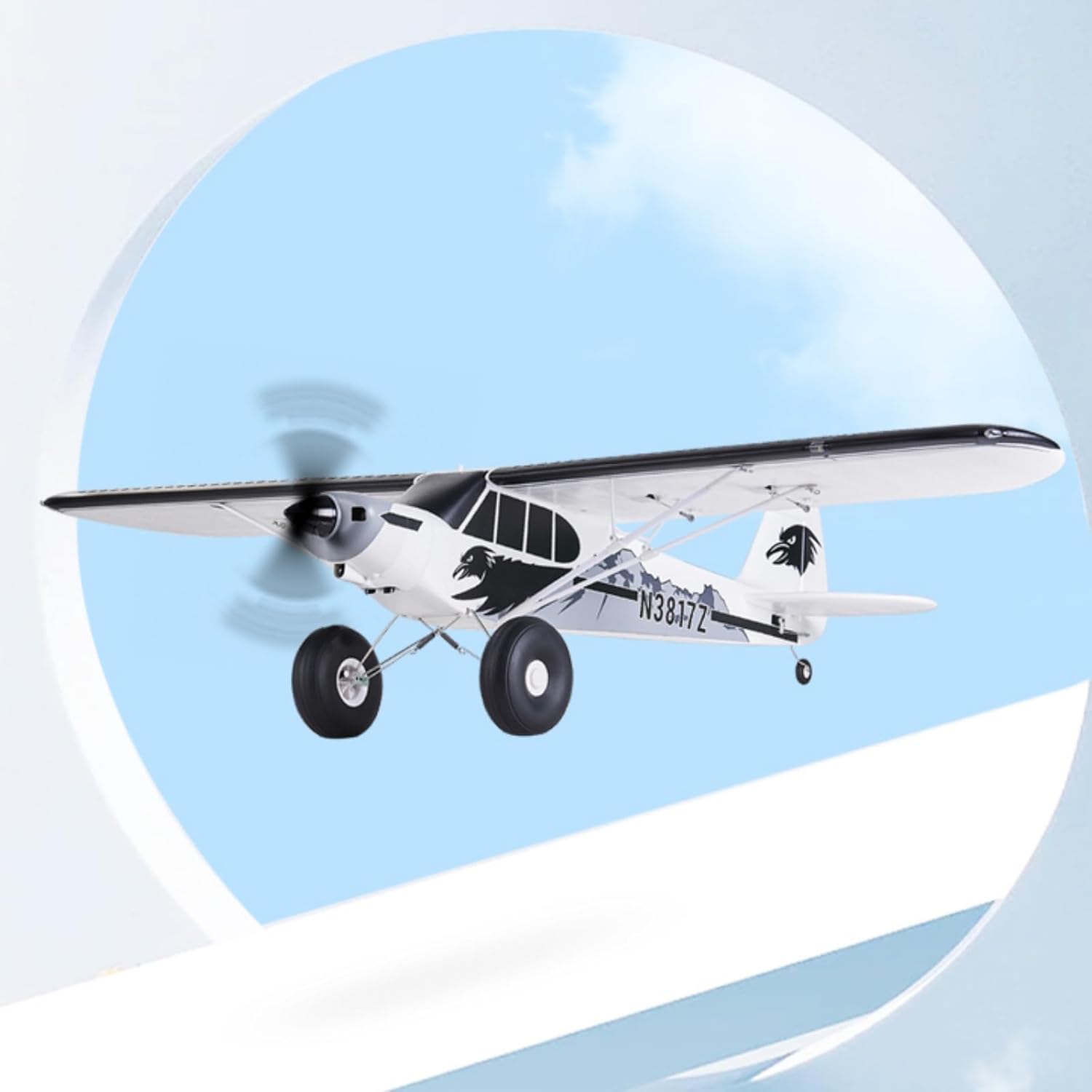
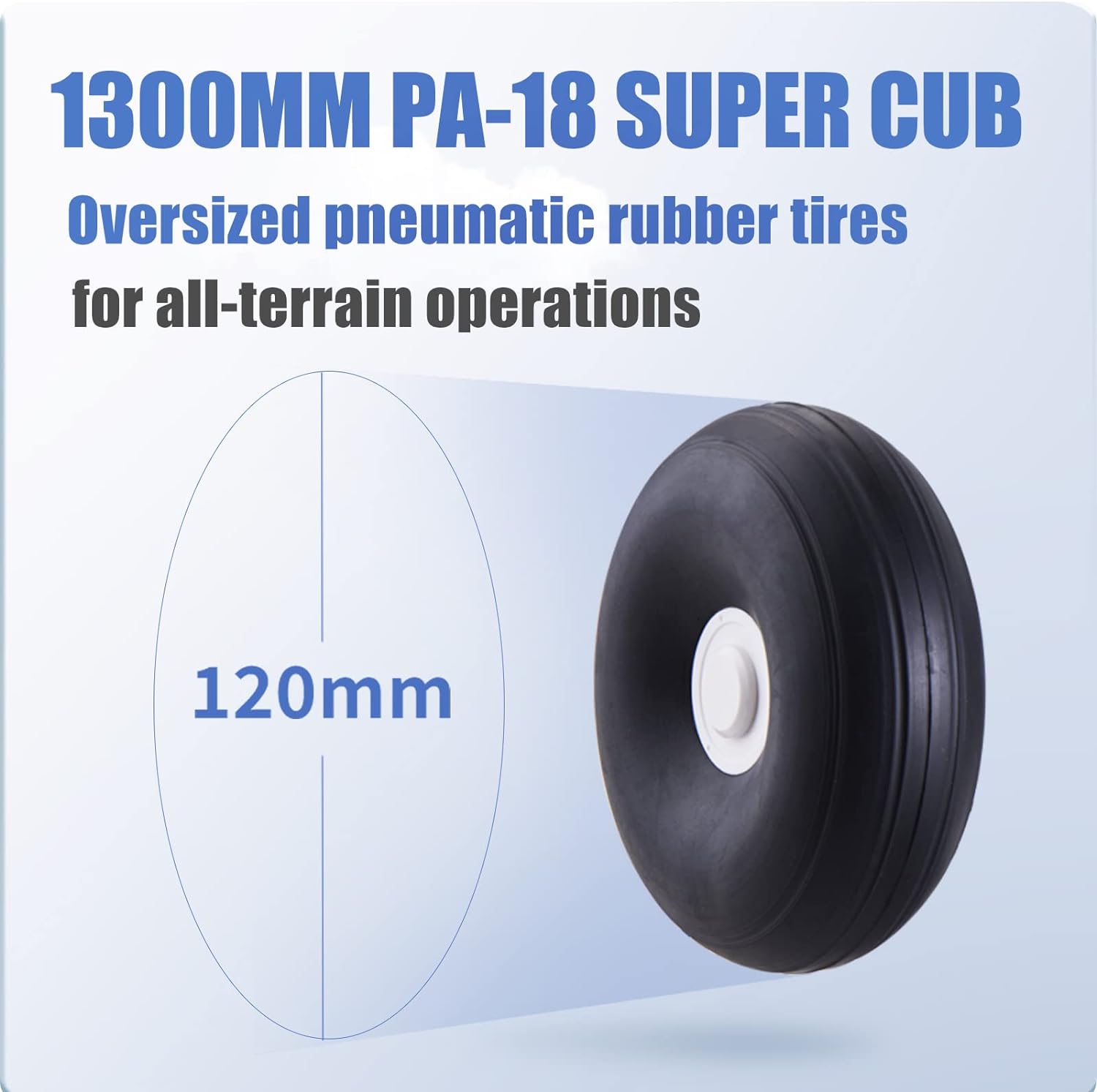
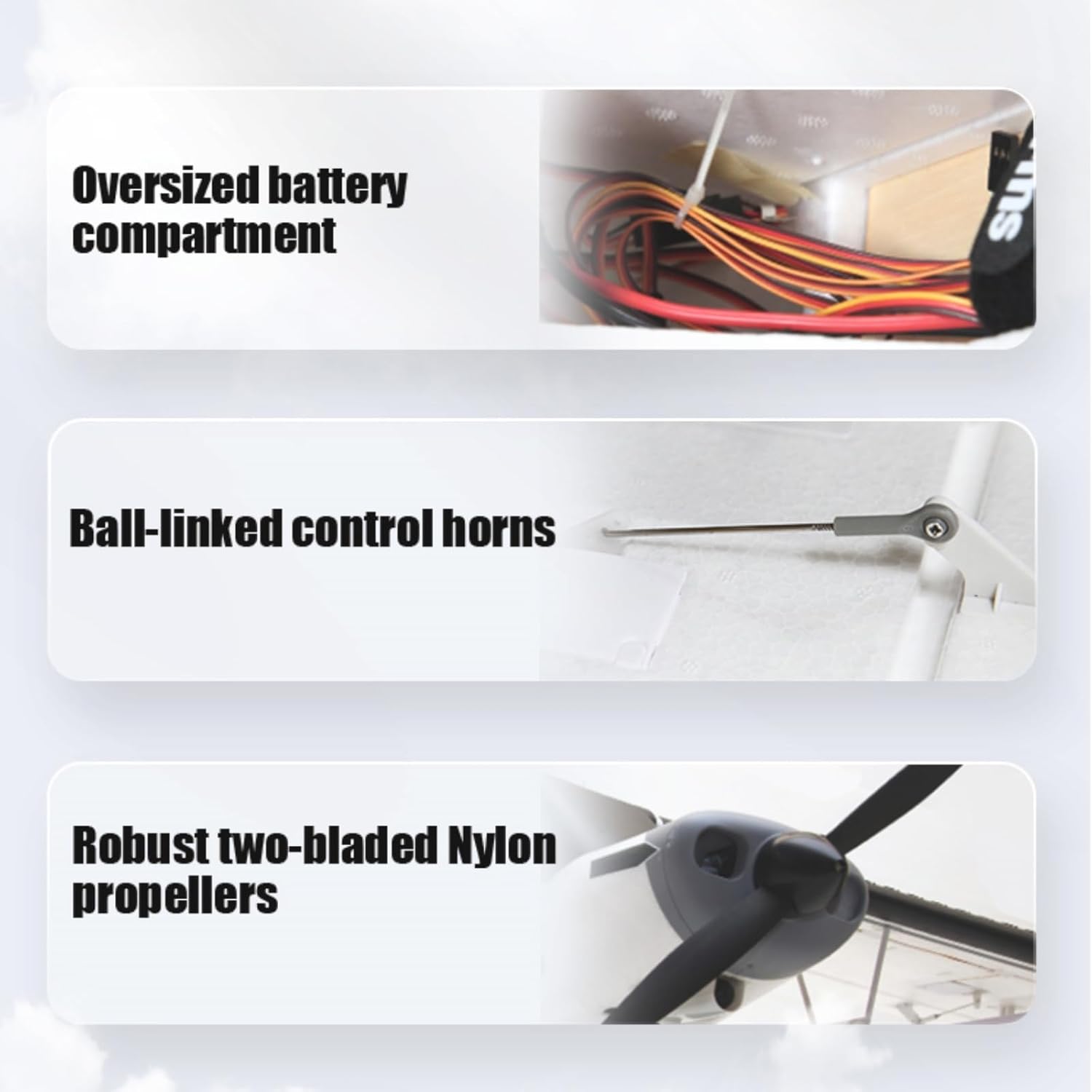
The Fms 1300MM PA-18 Super CUB is an exceptional remote-controlled aircraft designed for stability, ease of learning, and durability. It is equipped with a powerful 3536-KV850 engine and a 40A electronic speed controller, ensuring thrilling flights and exciting maneuvers. Its oversized inflatable rubber tires allow for operation on various terrains, including gravel, sand, grass, and mud. The aircraft also features functional flaps for low-speed flying and short takeoff and landing (STOL) capabilities, along with CNC metal landing gear for robust landings. This RTF (Ready to Fly) version includes a transmitter, receiver, battery, and charger, making it ready for immediate use after quick installation.





2. Alaye Aabo
Operating remote-controlled aircraft requires adherence to strict safety guidelines to prevent injury or damage. Always prioritize safety during assembly, flight, and maintenance.
Awọn iṣọra Aabo Gbogbogbo:
- Always operate your RC aircraft in open areas, away from people, buildings, and other obstacles.
- Never fly near airports or restricted airspace. Check local regulations for drone and RC aircraft operation.
- Ensure the battery is fully charged and securely installed before each flight.
- Perform pre-flight checks on all control surfaces and connections.
- Maṣe fo ni awọn afẹfẹ ti o lagbara tabi awọn ipo oju ojo buburu.
- Jeki ọwọ ati alaimuṣinṣin aṣọ kuro lati awọn ategun nigbati batiri ti wa ni ti sopọ.
- Supervise children at all times when they are operating or near the aircraft.
- Disconnect the battery immediately after use and before performing any maintenance.
- Store the aircraft and batteries in a cool, dry place, away from direct sunlight and heat sources.
Please follow all instructions provided in this manual and any additional safety information from the manufacturer.
3. Ohun ti o wa ninu Apoti
Your Fms 1300MM PA-18 Super CUB RTF package includes the following components:
- Fms 1300MM PA-18 Super CUB Aircraft (pre-assembled with motor, ESC, and servos)
- Olùgbéjáde (Ìṣàkóso Látọwọ́dá)
- Olugba (ti a ti fi sii tẹlẹ)
- Batiri ofurufu
- Ṣaja batiri
- Ìwé Ìtọ́sọ́nà Ọjà (ìwé yìí)
- Propeller
- Landing Gear (pre-installed)
- Small parts and accessories (e.g., screws, linkages)
4. Eto
4.1. Batiri Ngba agbara
Before your first flight, fully charge the included flight battery using the provided charger. Follow the charger's instructions carefully. Always charge batteries on a non-flammable surface and never leave charging batteries unattended.
4.2. Igbaradi Atagba
Install the required batteries (usually AA) into your transmitter. Ensure the transmitter is powered off before proceeding.
4.3. Aircraft Assembly (Minimal for RTF)
As an RTF model, your PA-18 Super CUB comes largely pre-assembled. You may only need to attach the main wing or other minor components. Refer to any quick-start guides or diagrams included in the packaging for specific assembly steps. Ensure all connections are secure and control surfaces move freely.
4.4. Binding the Transmitter and Receiver
Your aircraft and transmitter should come pre-bound. If re-binding is necessary, consult the specific instructions for your transmitter and the Reflex V3 flight controller. Typically, this involves putting the receiver into bind mode and then activating bind mode on the transmitter.
5. Awọn ilana Iṣiṣẹ
5.1. Pre-Flight sọwedowo
- Ensure all batteries (aircraft and transmitter) are fully charged.
- Verify all control surfaces (ailerons, elevator, rudder, flaps) move correctly and in the right direction in response to transmitter inputs.
- Ṣàyẹ̀wò pé propeller náà wà ní ìdúróṣinṣin àti pé kò ní ìbàjẹ́ kankan.
- Ṣe àyẹ̀wò àwọn ohun èlò ìbalẹ̀ fún ìfọ́ tàbí ìbàjẹ́ èyíkéyìí.
- Confirm the flight area is clear of people, animals, and obstacles.
5.2. Yiyọ
Place the aircraft on a flat surface facing into the wind. Gradually increase throttle while applying slight up-elevator to lift off. The PA-18's STOL capabilities allow for short takeoffs.
5.3. Ofurufu
Use the control sticks on your transmitter to maneuver the aircraft. The Reflex V3 flight controller assists with stability, making it easier to control, especially for beginners. Practice gentle turns and altitude changes before attempting more advanced maneuvers.
5.4. Ibalẹ
Approach the landing strip into the wind. Reduce throttle gradually and use the elevator to control descent rate. Deploy flaps if desired for a slower, more controlled approach. Aim for a gentle touchdown on the main landing gear, then allow the tail to settle.
6. Itọju
Regular maintenance ensures the longevity and performance of your Fms PA-18 Super CUB.
6.1. Post-Flight Inspection
- Check for any damage to the airframe, wings, and tail.
- Inspect the propeller for nicks or cracks; replace if damaged.
- Ensure all control linkages are secure and free from binding.
- Check the landing gear for any bends or loose connections.
6.2. Ninu ati Ibi ipamọ
- Wipe down the aircraft with a soft, dry cloth after each flight to remove dirt and debris.
- Store the aircraft in a safe place, away from direct sunlight, extreme temperatures, and moisture.
- Remove batteries from the aircraft and transmitter during long-term storage.
7. Laasigbotitusita
This section addresses common issues you might encounter with your Fms PA-18 Super CUB.
| Isoro | Owun to le Fa | Ojutu |
|---|---|---|
| Aircraft does not respond to transmitter. | Transmitter or aircraft battery low; Not bound; Incorrect model memory selected. | Charge batteries; Re-bind transmitter and receiver; Select correct model memory on transmitter. |
| Mọ́tò kò yípo. | Throttle trim too high; ESC not armed; Motor or ESC damaged. | Lower throttle trim to minimum; Ensure throttle stick is at lowest position to arm ESC; Inspect motor/ESC for damage, replace if necessary. |
| Erratic flight or loss of control. | Loose connections; Damaged control surface; Interference; Reflex V3 settings incorrect. | Check all wiring and linkages; Inspect control surfaces for damage; Fly in an open area away from interference; Reset Reflex V3 or adjust settings. |
| Kukuru flight akoko. | Battery not fully charged; Battery degradation; Over-aggressive flying. | Ensure full charge; Consider replacing old batteries; Fly more conservatively. |
8. Awọn pato
Key technical specifications for the Fms 1300MM PA-18 Super CUB:
| Ẹya ara ẹrọ | Ẹ̀kúnrẹ́rẹ́ |
|---|---|
| Nọmba awoṣe | FMS138R |
| Ọja Mefa | 27 x 14 x 8.98 inches |
| Iwọn Nkan | 8.33 iwon |
| Olupese niyanju ori | 14 ọdun ati si oke |
| Mọto | 3536-KV850 |
| Oluṣakoso Iyara Itanna (ESC) | 40A |
| Ofurufu Adarí | Reflex V3 |

9. Atilẹyin ọja ati Support
Fms is committed to providing high-quality products. For any issues or support needs, please refer to the following information:
9.1. pada Afihan
This product is eligible for a 30-day refund/replacement return policy. Please retain all packing material and original boxes. If your package was damaged during shipping or you received the wrong product, please contact customer support immediately with photos of the damaged product/box or incorrect item.
9.2. Onibara Support
For further assistance, technical support, or warranty claims, please visit the official Fms store or contact their customer service. You can find more information and contact details by visiting the Fms Store on Amazon.
Ask a question about this manual
Ask about setup, troubleshooting, compatibility, parts, safety, or missing instructions. Manuals+ will review the question and use this page’s manual context to help answer it.