
1. Ọja Ipariview
The llano NP-W235 Dual Battery Fast Charger is designed for efficient charging of Fujifilm NP-W235 batteries. This compact and travel-friendly charger offers simultaneous charging for two batteries, featuring a digital display for instant battery level recognition. It also functions as a secure storage box for batteries and SD cards.

Image 1.1: The llano NP-W235 Dual Battery Fast Charger, showcasing awọn oniwe-iwapọ oniru.
Awọn ẹya pataki:
- Ngba agbara iyara pupọ: Supports PD3.0 & QC3.0, fully charging two batteries in approximately 3 hours.
- Instant Battery Level Recognition: Digital display shows individual battery power levels and charging status.
- Iṣẹ ṣiṣe meji: Serves as both a charger and a storage box for two batteries and two SD cards.
- Iwapọ & Irin-ajo-Ọrẹ: Lightweight design with a magnetic flip-open lid for secure transport.
- Awọn aṣayan Gbigba agbara lọpọlọpọ: Compatible with various power sources including car chargers, computers, power banks, and USB-C wall adapters.
- Multiple Safeguards: Built-in protections against overvoltage, overcharge, overheating, overcurrent, and short circuits.
2. Awọn ilana iṣeto
- Yọ Ṣaja naa kuro: Carefully remove the llano NP-W235 Dual Battery Fast Charger from its packaging.
- So agbara: Use the provided USB-C charging cable to connect the charger to a suitable power source. This can be a PD3.0 or QC3.0 compatible wall adapter, a computer USB-C port, a power bank, or a car charger.
- Fi awọn batiri sii: Open the magnetic flip-open lid. Insert up to two Fujifilm NP-W235 batteries into the designated slots. Ensure the battery contacts align correctly with the charger pins.
- Insert SD Cards (Optional): The charger includes slots for two SD cards for convenient storage. Insert your SD cards into these slots if desired.
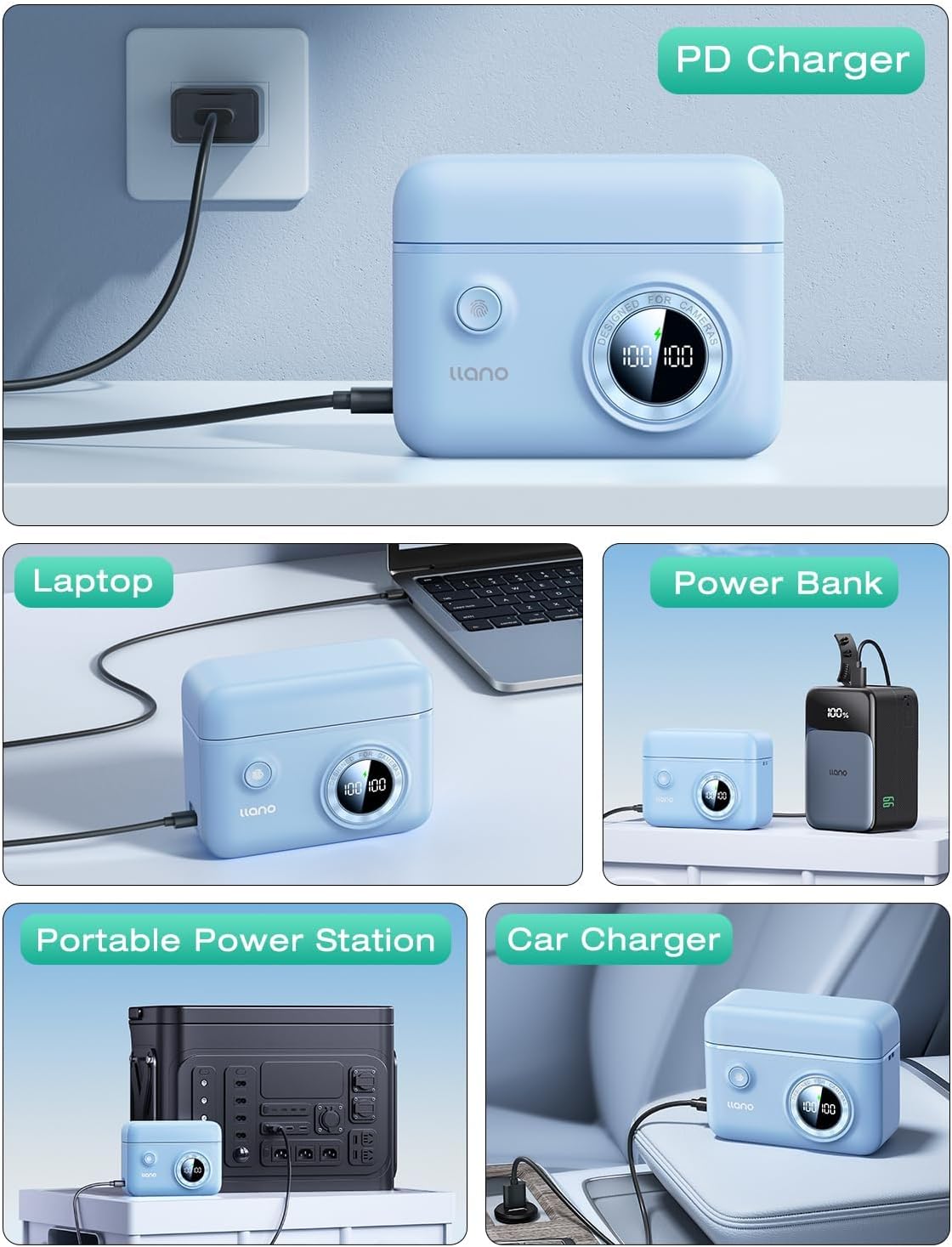
Image 2.1: The charger connected to a power source, demonstrating versatile charging options.
3. Awọn ilana Iṣiṣẹ
3.1 Gbigba agbara ilana
- Once batteries are inserted and the charger is connected to a power source, the digital display will activate.
- The display shows the current charge percentage for each battery independently. A lightning bolt icon indicates active charging.
- Charging typically takes about 3 hours for two fully depleted batteries when using a PD3.0 or QC3.0 compatible power source.
- The display will show "100%" when a battery is fully charged.

Image 3.1: Digital display indicating battery charge levels and charging status.
3.2 Ṣiṣayẹwo Awọn ipele Batiri
- Even when not connected to a power source, pressing the button on the charger will briefly activate the digital display to show the current charge level of the inserted batteries.
- This allows for quick checks of battery readiness before use.
3.3 ipamọ Išė
- The magnetic flip-open lid securely holds batteries and SD cards in place, protecting them from dust and accidental disconnections.
- The compact design makes it suitable for travel and storage in camera bags.

Image 3.2: Features of the charger including the magnetic lid and SD card storage.
4. Itọju
- Ninu: Use a soft, dry cloth to clean the exterior of the charger. Avoid using liquid cleaners or solvents.
- Ibi ipamọ: Store the charger in a cool, dry place away from direct sunlight and extreme temperatures. Ensure the lid is closed to protect batteries and SD cards from dust.
- Itọju Batiri: For optimal battery life, avoid fully discharging batteries frequently. Store batteries with a partial charge (around 50%) if not used for extended periods.
- Itọju USB: Inspect the USB-C cable regularly for any signs of wear or damage. Replace if necessary.
5. Laasigbotitusita
Ṣaja 5.1 Ko Nṣiṣẹ Lori
- Ṣayẹwo Orisun Agbara: Ensure the USB-C cable is securely connected to both the charger and a functional power outlet or device.
- Verify Cable: Gbìyànjú láti lo okùn USB-C mìíràn láti yọ okùn tí ó ní àbùkù kúrò.
- Ibi Idanwo: Plug another device into the power outlet to confirm it is working.
5.2 Awọn Batiri Ko Gba agbara
- Fi sii daradara: Ensure batteries are correctly inserted into the slots with contacts aligned.
- Ipò Batiri: Check if the batteries themselves are damaged or at the end of their lifespan. Try charging a different, known-good battery.
- Ṣiṣẹ Ṣaja: If the display shows an error or no charging indication, refer to "Charger Not Powering On" steps.
5.3 Ngba agbara lọra
- Ijade Adapter Agbara: For fast charging, use a power adapter that supports PD3.0 or QC3.0 with sufficient wattage (e.g., 18W or higher). Standard USB ports on computers may charge slower.
- Didara okun: Rii daju pe o nlo okun USB-C ti o ni agbara ti o lagbara lati ṣe atilẹyin gbigba agbara yara.
6. Awọn alaye ọja
| Brand | llano |
| Nọmba awoṣe | LJN-CS008 |
| Awọn batiri ibaramu | Fujifilm NP-W235 |
| Iṣawọle | USB-C (PD3.0 & QC3.0 compatible) |
| O wujade Voltage | 8.4 Volts |
| Akoko gbigba agbara | Approx. 3 hours for two batteries (with compatible fast charger) |
| Ọja Mefa | 4.3 x 3.3 x 1.7 inches (10.9 x 8.4 x 4.3 cm) |
| Iwọn Nkan | 6.4 iwon (181 giramu) |
| Afikun Awọn ẹya ara ẹrọ | Digital display, SD card storage, magnetic lid, portable lanyard attachment points, anti-slip pads. |
7. Atilẹyin ọja ati Support
For warranty information and customer support, please refer to the documentation included with your purchase or contact llano customer service directly through their official webaaye tabi alagbata ti o ti ra ọja naa.
Optional protection plans may be available for extended coverage. Please check with your retailer for details on available plans.