
1. Ifihan
The Kinhank 12TB Retro Gaming Hard Drive is an external storage device pre-loaded with a vast collection of classic games, compatible with various emulators and Windows operating systems. This manual provides instructions for setup, operation, and maintenance to ensure optimal performance and an enjoyable gaming experience.
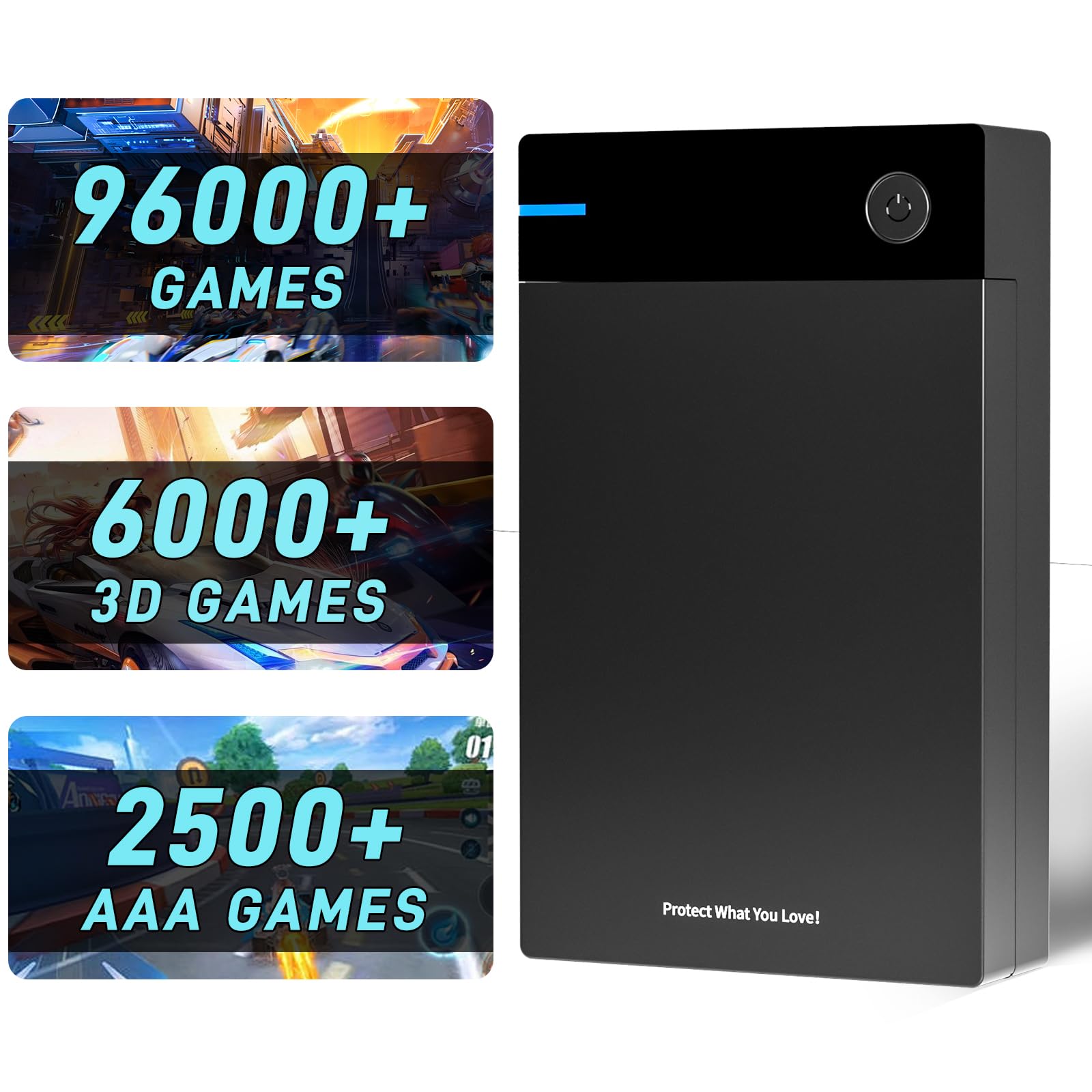
Figure 1: Kinhank 12TB Retro Gaming Hard Drive connected to a laptop, showcasing awọn oniwe-iwapọ oniru.
2. Package Awọn akoonu
Jẹrisi pe gbogbo awọn ohun kan wa ninu package:
- Kinhank 12TB Retro Gaming Hard Drive (x1)
- Okùn Dátà USB (x1)
- Ipese agbara (x1)
- Itọsọna olumulo (x1)

Figure 2: Included items: Hard drive, USB data cable, power supply, and user manual.
3. Awọn pato
| Ẹya ara ẹrọ | Ẹ̀kúnrẹ́rẹ́ |
|---|---|
| Digital Ibi Agbara | 12 TB |
| Lile Disk Interface | USB 3.0 |
| Asopọmọra Technology | USB |
| Brand | Kinhank |
| Lile Disk Fọọmù ifosiwewe | 3.5 inches |
| Lile Disk Apejuwe | Darí Lile Disk |
| Awọn ẹrọ ibaramu | Windows (Win 7 and above) |
| Iru fifi sori ẹrọ | Ita Lile Drive |
| Àwọ̀ | Dudu |
| Lile Disk Yiyi Iyara | 7200 RPM |
| Ka Iyara | 6 Gigabyte fun keji |
| Kaṣe Memory Fi sori ẹrọ Iwon | 256 MB |
| Data Gbigbe Oṣuwọn | 6 Gigabyte fun keji |
| Hardware Asopọmọra | SATA 3.0 Gb/s, USB |
| Ohun elo apade | Aluminum, Glass, Or Ceramic |
| Nọmba awoṣe | KH-12TB-Retro-Gaming |

Figure 3: Dimensions and interface details of the hard drive, including ON/OFF switch, DC power input, SATA USB 3.0 port, and indicator light.
4. Eto
Follow these steps to set up your Kinhank 12TB Retro Gaming Hard Drive:
- So Hard Drive: Connect the hard drive to your computer using the provided USB 3.0 data cable and connect the power supply to the hard drive and a power outlet.
- Access the Drive: Once connected, the hard drive should appear as a new drive (e.g., "Hyperspin_12T (E:)") in "This PC" or "My Computer".
- Fi software ti a beere sori ẹrọ:
- Open the "Help_faqs" folder on the hard drive.
- Navigate to "_WINDOWS INSTALL FILES".
- Fi sori ẹrọ DirectX 9: Right-click "DXSETUP.exe" in the "DirectX 9" folder and select "Open". Follow the on-screen prompts to accept the agreement and complete the installation.
- Fi sori ẹrọ Microsoft .NET Framework 4 + .NET 2.0: Right-click "dotNetFx40_Full_x86_x64.exe" and "NetFx20SP1_x64.exe" in the "Microsoft .NET Framework 4 + .NET 2.0" folder and select "Open". Follow the on-screen prompts. (Note: You may receive a message that the framework is already part of your operating system or a higher version is installed; this is normal.)
- Fi sori ẹrọ Visual C++ Runtimes All-in-One: Right-click "install_all.bat" in the "Visual-C-Runtimes-All-in-One" folder and select "Open". This will install multiple Visual C++ redistributables.
- Fi sori ẹrọ Bebas Neue Font: Right-click "BebasNeue.ttf" and select "Install". If prompted to replace, select "Yes".
- Launch the Gaming Interface:
- Go back to the root of the "Hyperspin_12T" drive.
- Open the "Arcade" folder.
- Locate and right-click "HyperSpin Attraction.exe" and select "Open" or "Run as administrator" to launch the gaming interface.
Video 1: Installation guide for the Kinhank 12TB Retro Gaming Hard Drive, demonstrating software installation and launching the gaming interface.

Figure 4: Simplified installation steps: Connect the drive, install necessary components, and launch the application.
5. Awọn ilana Iṣiṣẹ
5.1 Lilọ kiri ni wiwo
The gaming interface features a roulette-style menu. When you highlight a game collection, a video preview of the games within that collection will be displayed. Use your connected controller or keyboard to navigate through the game selections.
5.2 Starting and Exiting Games
- To start a game, select it from the menu and confirm.
- To exit the current game, long-press the designated back button on your controller or keyboard.
5.3 Adding/Deleting Games
The hard drive allows for adding or deleting games according to your preferences. Refer to the "Help_faqs" folder on the drive for detailed instructions on managing game files and emulators.

Figure 5: The gaming hard drive provides access to a large library of classic and modern games.

Figure 6: The system automatically adapts to screens of different proportions for optimal display.
6. System Awọn ibeere
To ensure smooth operation and optimal gaming performance, your computer should meet the following specifications:
- Eto isesise: Windows 7 or above (Windows 7/8/10/11 supported).
- Processor (for large games): Intel Core i5 or higher recommended.
- Graphics Card (for large games): NVIDIA GeForce GTX 1050 Ti or higher recommended.

Figure 7: The hard drive is compatible with Windows 7 and newer operating systems.

Figure 8: Recommended computer specifications for optimal performance with demanding games.
7. Itọju
Proper maintenance ensures the longevity and performance of your hard drive:
- Yiyọ kuro lailewu: Always safely eject the hard drive from your computer before disconnecting it to prevent data corruption.
- Itọju Ti ara: Keep the hard drive in a cool, dry place, away from direct sunlight, extreme temperatures, and moisture. Avoid dropping or subjecting it to physical shocks.
- Ninu: Use a soft, dry cloth to clean the exterior of the hard drive. Do not use liquid cleaners or solvents.
- Awọn imudojuiwọn sọfitiwia: Periodically check for updates to your operating system and graphics drivers to maintain compatibility and performance.
8. Laasigbotitusita
Ti o ba pade awọn iṣoro, tọka si awọn solusan ti o wọpọ wọnyi:
- Hard Drive Not Detected:
- Ensure the USB data cable and power supply are securely connected.
- Gbiyanju lati sopọ si ibudo USB ti o yatọ lori kọnputa rẹ.
- Verify that the hard drive's power switch (if present) is in the ON position.
- Check "Disk Management" in Windows to see if the drive is recognized but uninitialized or unformatted. Do not format the drive if it contains game data.
- Games Not Launching or Crashing:
- Ensure all required software (DirectX, .NET Framework, Visual C++ Runtimes) from the "Setup" section is correctly installed.
- Verify your computer meets the recommended system requirements, especially for demanding games.
- Some games may require specific controller configurations. Check the "Help_faqs" folder for emulator-specific settings.
- Outdated emulators or corrupted ROMs can cause issues. While the drive is pre-configured, advanced users may explore updating emulators or replacing problematic ROMs.
- Awọn ọran Alakoso:
- Ensure your controller is properly connected and recognized by your computer.
- The gaming interface is often optimized for Xbox controllers. Other controllers (e.g., PS controllers) may require manual mapping within the emulator settings.
- Some arcade games with non-standard controls (e.g., rotary, trackball) may not be fully playable with standard gamepads.
- Slow Game Loading/Performance:
- Ensure your computer's USB port is USB 3.0 compatible for optimal transfer speeds.
- Pade awọn ohun elo abẹlẹ ti ko wulo lati fun awọn orisun eto laaye.
- Verify your computer meets the recommended CPU and GPU specifications, especially for newer or more graphically intensive games (e.g., PS3/PS4 titles).
- Antivirus Warnings:
Some antivirus software may flag certain files on the drive, particularly those related to emulators or game loaders. This can sometimes be a false positive. If you are confident in the source, you may need to add exceptions in your antivirus software. Exercise caution and ensure your system is otherwise protected.
9. Atilẹyin ọja ati Support
For warranty information, technical support, or service inquiries, please refer to the contact details provided with your product packaging or visit the official Kinhank webojula. Tọju iwe-ẹri rira rẹ bi ẹri rira fun awọn iṣeduro atilẹyin ọja.