
1. Ti pariview
The Amazon Basics USB Flash Drive is a versatile storage solution designed for seamless data transfer between various devices. Featuring both USB-C and USB-A dual ports, this 128GB thumb drive offers broad compatibility and efficient performance for your storage needs. Its durable metal construction and rotating design ensure protection and convenience.
2. Key Awọn ẹya ara ẹrọ
- 128 GB Storage Capacity: Pese ample space for documents, photos, videos, and other files. Note: Actual usable capacity may be slightly less due to formatting and system files.
- Apẹrẹ Ibudo Meji: Equipped with both USB-C and USB-A connectors for universal compatibility with a wide range of devices.
- Iṣe Ti o munadoko: Offers reliable data transfer with a default exFAT format, ensuring lower power consumption and broad device support.
- High Read Speed: Capable of read speeds up to 400 Megabytes Per Second. Actual speeds may vary based on device, file size, and type.
- Ikole Ere: Features a robust metal exterior casing with a rotating open/close design to protect the connectors, and a hanging hole for convenient attachment to keychains or lanyards.
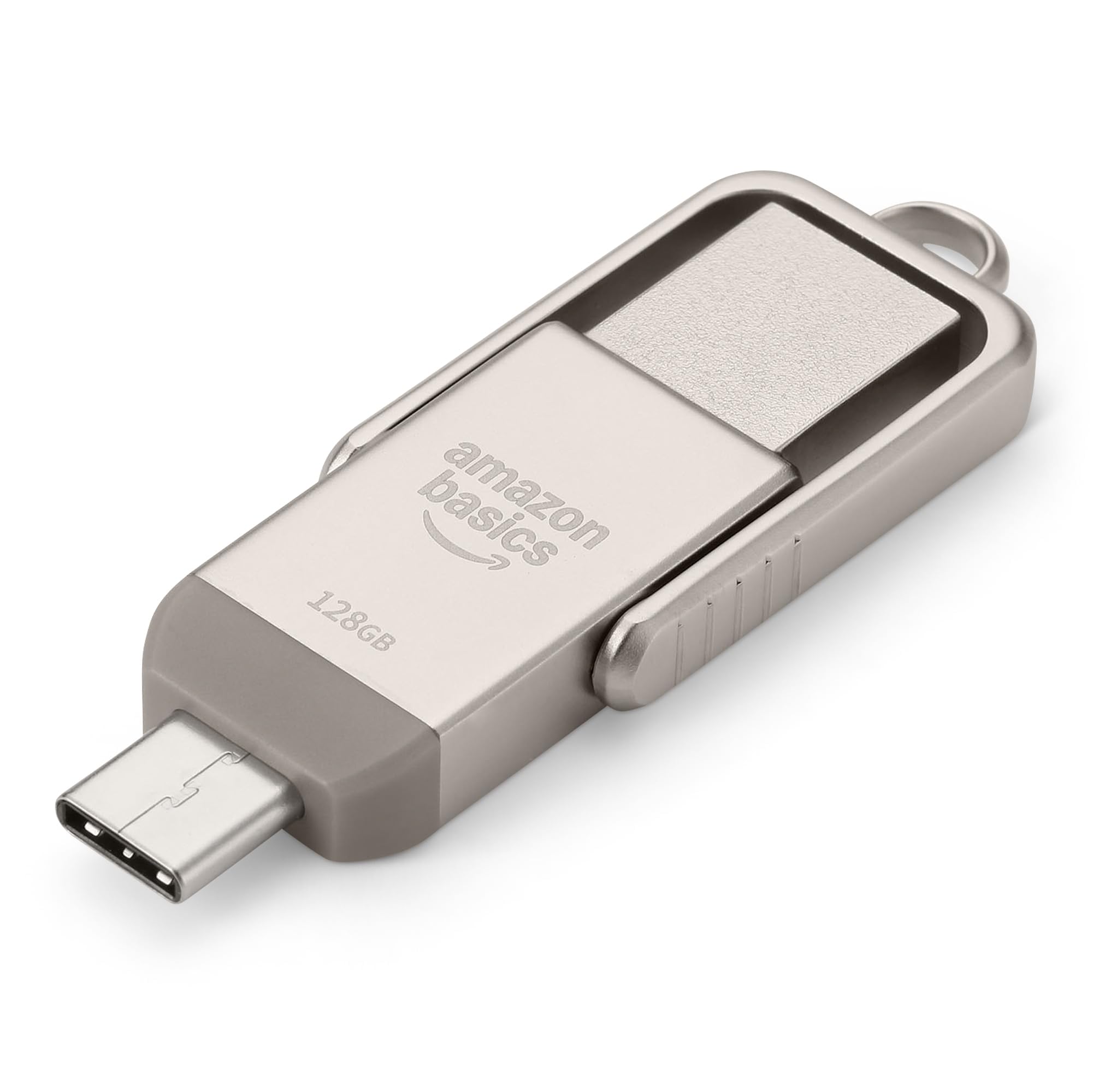
Figure 1: Amazon Basics 128GB USB Flash Drive, showcasing its compact design and dual connectors.
3. Eto
- Ṣe idanimọ Ibudo Ẹrọ: Determine whether your device (phone, tablet, computer) uses a USB-A or USB-C port.
- Select Correct Connector: Rotate the metal casing of the flash drive to expose the appropriate connector (USB-A or USB-C).
- Insert Flash Drive: Carefully insert the exposed connector into the corresponding port on your device. Ensure a secure connection.
- Idanimọ ẹrọ: Your device should automatically detect the flash drive. On most operating systems, a notification will appear, or the drive will be accessible through your file manager (e.g., File Explorer on Windows, Finder on macOS, Files app on mobile devices).

Figure 2: USB Flash Drive connected to a laptop's USB-A port.
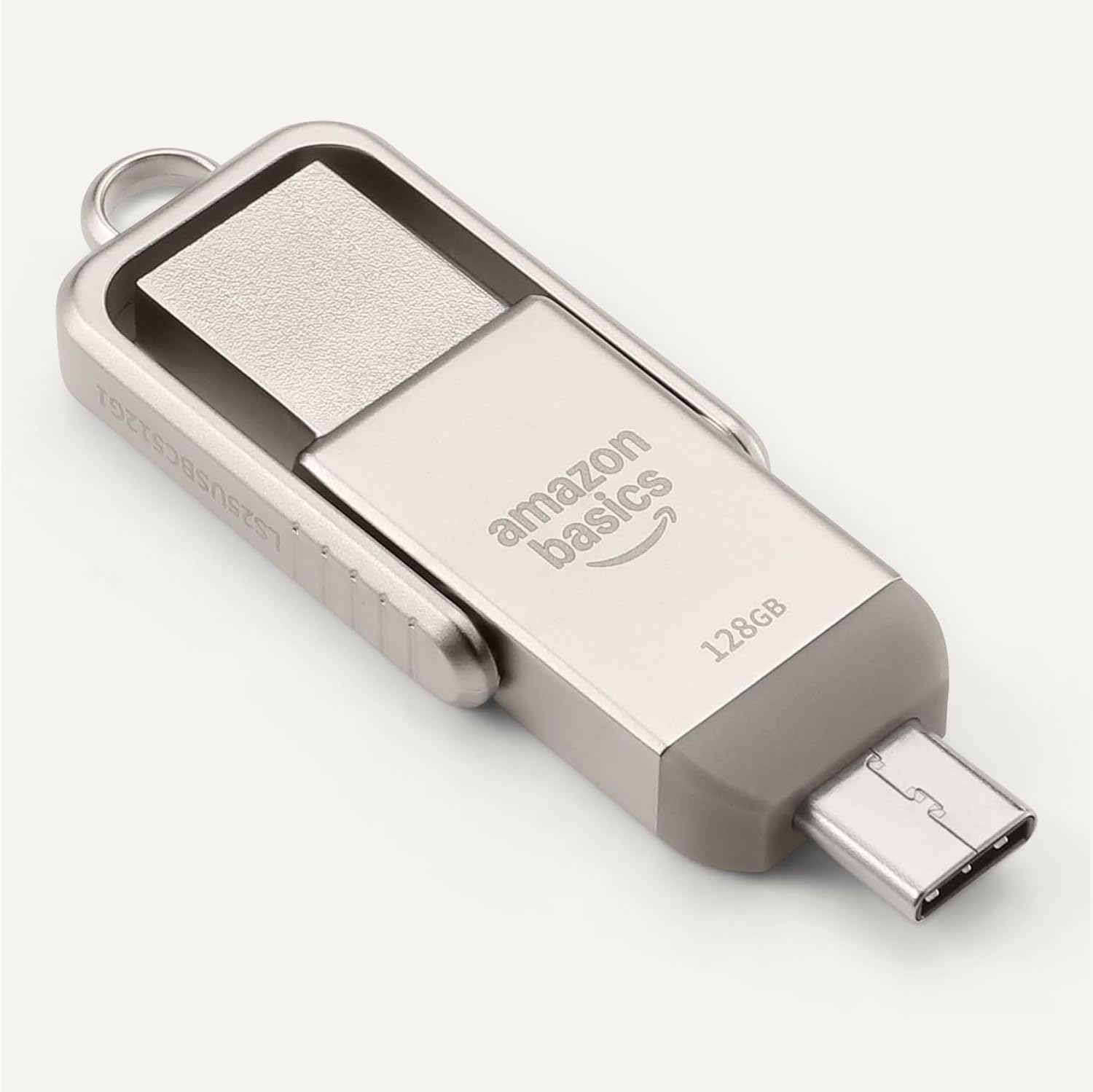
Figure 3: USB Flash Drive connected to a smartphone's USB-C port.
4. Awọn ilana Iṣiṣẹ
4.1. Gbigbe Files
- Daakọ/Lẹ mọ: Lilö kiri si awọn files you wish to transfer. Select them, then right-click (or long-press on touch devices) and choose 'Copy'. Navigate to the flash drive's directory, right-click (or long-press), and select 'Paste'.
- Fa ati Ju silẹ: Ṣii rẹ file manager and arrange windows so you can see both the source folder and the flash drive's folder. Click and drag the desired files from the source folder to the flash drive's folder.
4.2. Safe Removal
To prevent data corruption, always safely remove the flash drive before physically disconnecting it.
- Windows: Click the 'Safely Remove Hardware and Eject Media' icon in the taskbar, then select the flash drive.
- MacOS: Drag the flash drive icon from your desktop to the Trash, or right-click the icon and select 'Eject'.
- Android/iPadOS: Look for an 'Eject' or 'Unmount' option within the file manager app or notification panel.
5. Ibamu
The Amazon Basics USB Flash Drive is designed for broad compatibility:
- Awọn ọna ṣiṣe: Compatible with Windows, macOS, Linux, Android, and iPadOS devices that support USB mass storage.
- Awọn iru ẹrọ: Works with computers, laptops, tablets, and smartphones featuring USB-A or USB-C ports.
- File Eto: Pre-formatted with exFAT for maximum compatibility across different operating systems and larger file awọn iwọn.
- Akiyesi pataki: This flash drive is incompatible with Lightning ports found on some Apple devices.
5.1. Compatibility Demonstration
Video 1: Demonstration of the Amazon Basics USB Flash Drive's compatibility with various phone cases and devices, highlighting successful and unsuccessful fits.
Video 2: Demonstration of using a thumb drive with a mini projector, showing file format requirements (FAT32) for video, audio, and image playback.
6. Iṣẹ ṣiṣe
The Amazon Basics USB Flash Drive is engineered for efficient data handling:
- Ka Iyara: Up to 400 Megabytes Per Second.
- Kọ Iyara: Varies depending on the device, file iwọn, file orisi, ati awọn miiran ayika ifosiwewe.
- Lilo Agbara kekere: Designed for energy efficiency, contributing to longer battery life on connected mobile devices.
For optimal performance, ensure your device's USB port supports USB 3.2 Gen 1 or higher standards.
7. Itọju ati Itọju
- Dáàbò bo àwọn asopọ̀: Always rotate the metal casing to cover the unused connector when not in use to prevent dust and physical damage.
- Mu pẹlu Itọju: Avoid dropping the drive or subjecting it to excessive force.
- Iwọn otutu: Store the drive in a cool, dry place away from extreme temperatures.
- Ninu: Use a soft, dry cloth to clean the exterior. Avoid liquid cleaners or solvents.
8. Laasigbotitusita
- A ko mọ Awakọ:
- Ensure the drive is fully inserted into the correct USB port.
- Gbiyanju ibudo USB ti o yatọ lori ẹrọ rẹ.
- Tun ẹrọ rẹ bẹrẹ ki o tun gbiyanju lẹẹkansi.
- Check your device's file manager or disk management utility to see if the drive is listed.
- Awọn iyara Gbigbe lọra:
- Ensure you are using a USB 3.0 (or higher) compatible port for optimal speeds. USB 2.0 ports will result in slower transfers.
- Gbigbe ọpọlọpọ awọn kekere files le jẹ losokepupo ju gbigbe kan nikan ti o tobi file ti kanna lapapọ iwọn.
- Ti awọn ohun elo miiran ti o le ma nlo awọn orisun eto.
- "Unsupported File" Error:
- This error typically occurs when the device you are connecting the flash drive to (e.g., a projector or smart TV) does not support the file format (e.g., .mov, .mp4, .txt, .png) or the file system (e.g., NTFS vs. FAT32/exFAT).
- Rii daju files are formatted to FAT32 or exFAT for broad compatibility.
- Yipada files to a format supported by your playback device. Common formats include .mp4 for video, .mp3 or .wav for audio, and .jpeg for images.
- Drive Gets Warm:
It is normal for the metal casing of the flash drive to become warm during prolonged use or heavy data transfers. This does not indicate a malfunction.
9. Awọn pato
| Ẹya ara ẹrọ | Sipesifikesonu |
|---|---|
| Orukọ awoṣe | LS25USBC128G1 |
| Agbara Ibi ipamọ Iranti | 128 GB (Forukọsilẹ) |
| Asopọmọra Technology | USB |
| Ni wiwo Hardware | USB 3.2 Jẹn 1 |
| Hardware Connectivity Technology | USB Iru A, USB Iru C |
| Ka Iyara | 400 Megabytes fun keji |
| Pataki Ẹya | Asopọ USB meji |
| Àwọ̀ | Champagne Silver |
| Iwọn Nkan | 2.11 iwon |
| Package Mefa | 9.21 x 7.01 x 0.71 inches |
10. Atilẹyin ọja ati Support
This Amazon Basics product is backed by Amazon's customer service and return policies.
- Ilana Pada: Typically 30 days for refunds or replacements. Please refer to Amazon's current return policy for specific details.
- Àwọn Ètò Ààbò Àṣàyàn: Additional photo and data recovery plans are available for purchase (e.g., 2-year or 3-year plans).
- Atilẹyin Onibara: For assistance, please visit the Amazon Basics Store or contact Amazon Customer Service directly through your Amazon account.