
URIT PH-01/PH-01A
URIT PH-01/PH-01A Hemoglobin Test Strips User Manual
For use with URIT Blood Hemoglobin Test Meter PH-01/PH-01A
1. Ifihan
This manual provides essential instructions for the proper use, storage, and maintenance of URIT PH-01/PH-01A Hemoglobin Test Strips. These test strips are designed for use with the URIT Blood Hemoglobin Test Meter PH-01/PH-01A to measure hemoglobin levels in capillary or venous whole blood samples. Please read this manual thoroughly before using the test strips to ensure accurate results and safe operation.
2. Ọja Ipariview
The URIT PH-01/PH-01A Hemoglobin Test Strips are a key component of the URIT hemoglobin testing system. Each package contains 50 test strips, designed for single use.

Figure 2.1: Contents of the URIT PH-01 Hemoglobin Test Strips package, including the box, two vials of 25 test strips each, and accompanying lancets and capillary tubes.
2.1 Key Awọn ẹya ara ẹrọ
- Iwọn: 50 test strips per package.
- Ibamu: Specifically designed for URIT Blood Hemoglobin Test Meter PH-01/PH-01A.
- Irọrun Lilo: Simple procedure for blood sample elo.
- Yiye: Provides reliable hemoglobin measurements when used correctly.
- Awọn abajade iyara: Designed for quick measurement times.

Figure 2.2: Visual representation of the key attributes of the URIT Hemoglobin Test Strips, highlighting their professional quality, ease of use, accuracy, and quick results within 20 seconds.
3. Alaye Aabo ati Awọn iṣọra
Always follow standard laboratory safety procedures when handling blood samples. Dispose of used test strips, lancets, and any other contaminated materials according to local regulations for biohazardous waste.
AlAIgBA Ofin:
Awọn alaye nipa awọn afikun ijẹunjẹ ko ti ni iṣiro nipasẹ FDA ati pe ko ṣe ipinnu lati ṣe iwadii, tọju, wosan, tabi ṣe idiwọ eyikeyi aisan tabi ipo ilera.
- Fun ninu fitiro diagnostic use only. Do not ingest.
- Jeki kuro ni arọwọto awọn ọmọde.
- Store test strips in their original vial with the cap tightly closed to protect from moisture and light.
- Do not use expired test strips. Check the expiration date on the vial.
- Do not use test strips if the vial is damaged or has been left open.
- Consult a healthcare professional for interpretation of results and medical advice.
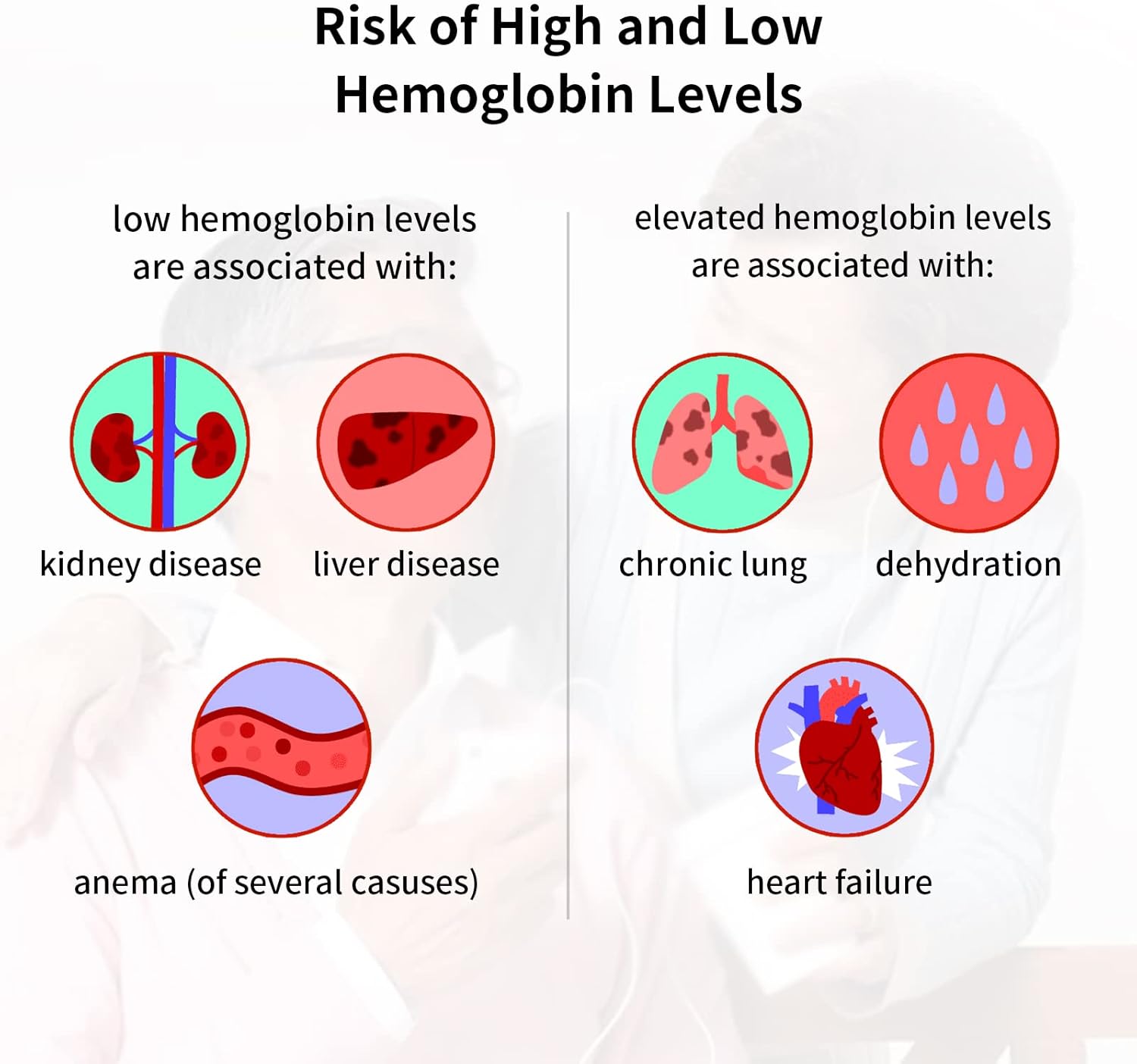
Figure 3.1: Illustrative diagram outlining potential health risks associated with both low and elevated hemoglobin levels. This information is for general awareness and not for self-diagnosis.
4. Eto ati Igbaradi
4.1 Materials Required (Not included with test strips)
- URIT Blood Hemoglobin Test Meter PH-01/PH-01A
- Lancet device and sterile lancets
- Ọtí nù
- Bọọlu owu tabi gauze
- Biohazard disposal container

Figure 4.1: Components typically included with the URIT PH-01 Hemoglobin Test Strips package: test strip vial, capillary tubes, and lancets.
4.2 Ngbaradi fun Idanwo kan
- Ensure the URIT Hemoglobin Test Meter is clean and functioning correctly.
- Wash your hands thoroughly with soap and water, then dry them completely. This helps prevent contamination.
- Prepare the lancing device with a new, sterile lancet.
- Open the test strip vial and remove one test strip. Immediately close the vial tightly to protect the remaining strips.
- Insert the code card (if a new vial) into the meter to calibrate it. Remove the code card after calibration. (Note: The same bottle of test strips does not need to repeat the settings.)
- Insert the test strip into the meter in the direction indicated by the arrows on the strip. The meter should turn on automatically or display a prompt for blood application.
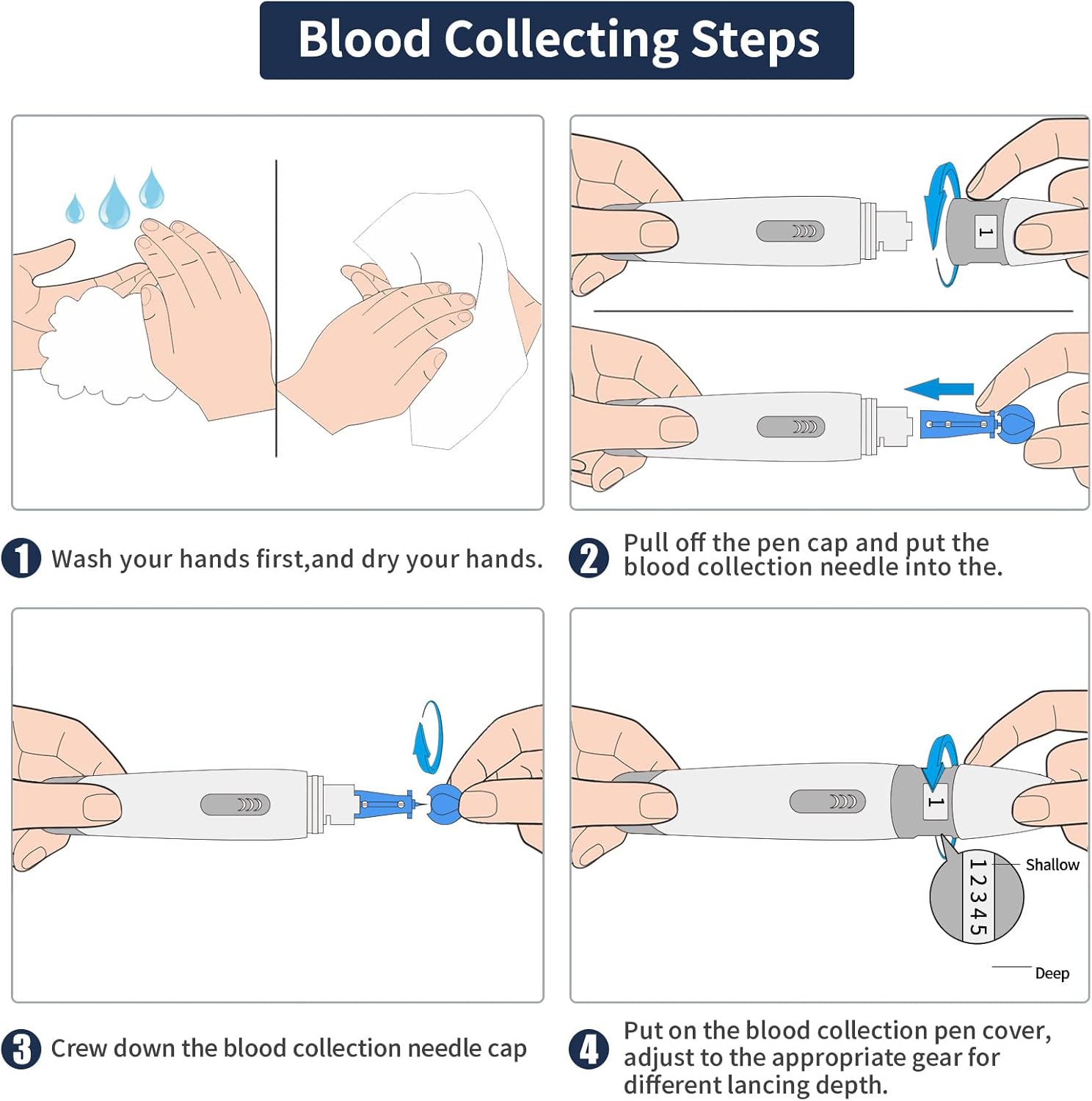
Figure 4.2: Detailed steps for preparing for blood collection, emphasizing hygiene and proper setup of the lancing device.
5. Operating Instructions (Performing a Test)
Follow these steps carefully to perform a hemoglobin test using the URIT PH-01/PH-01A Hemoglobin Test Strips and Meter.
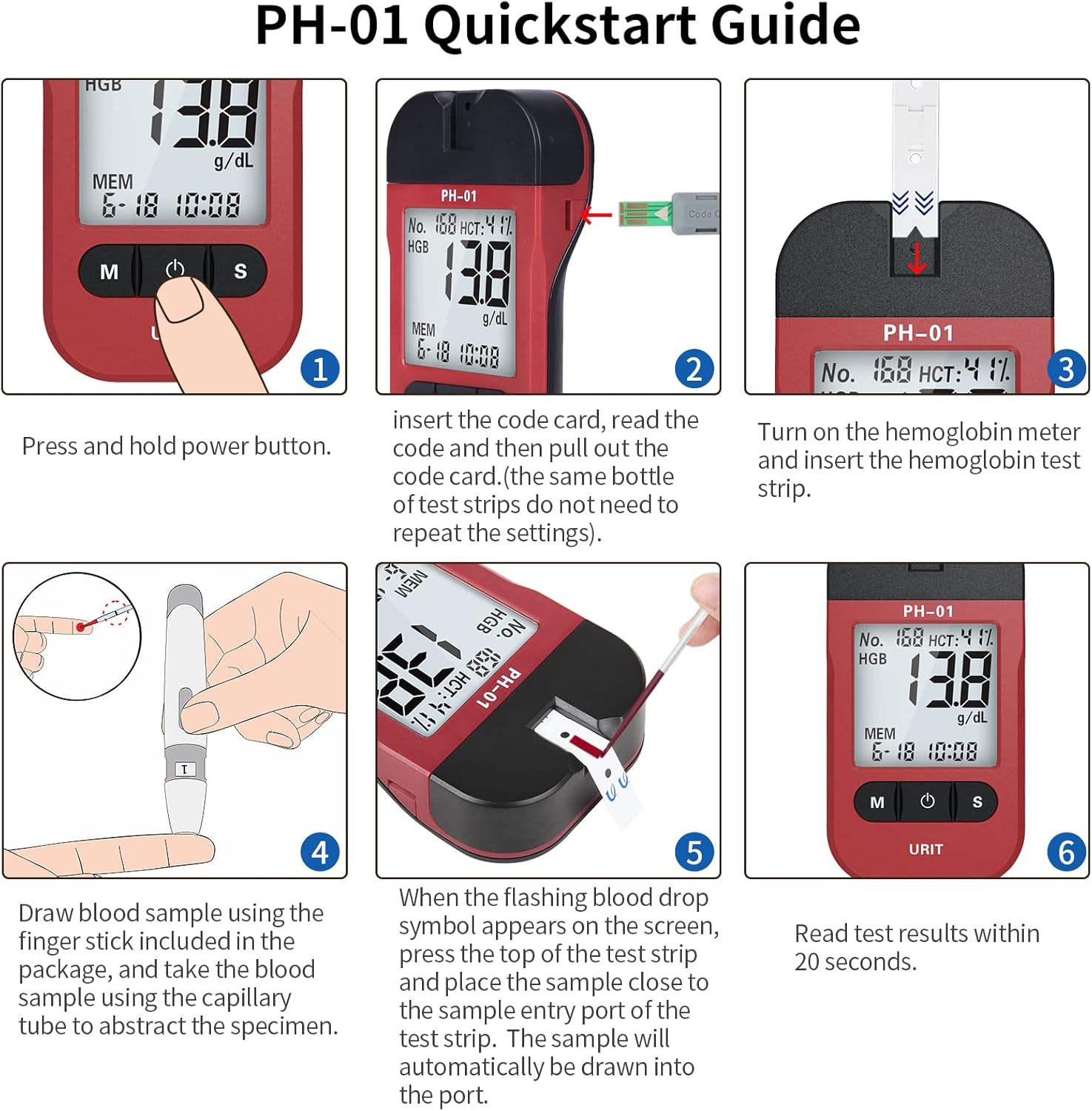
Figure 5.1: Quickstart guide illustrating the six main steps for performing a hemoglobin test with the URIT PH-01 meter and test strips.
- Power On Meter: Press and hold the power button on the URIT Hemoglobin Test Meter.
- Insert Code Card (if new vial): If using a new vial of test strips, insert the code card provided with the strips into the meter. The meter will read the code. Remove the code card once calibration is complete. (This step is not required for subsequent tests from the same vial).
- Fi Ibi Idanwo sii: Turn on the hemoglobin meter and insert a fresh hemoglobin test strip into the designated slot.
- Gba Ẹjẹ Sample: Use the prepared lancing device to prick the side of your fingertip (or other approved site) to obtain a blood drop. Gently massage the finger to form a sufficient blood drop.
- Waye Ẹjẹ Sample: When the flashing blood drop symbol appears on the meter screen, press the tip of the test strip to the blood sample. The blood will automatically be drawn into the sample entry port of the test strip. Ensure the sample completely fills the reaction area.
- Ka Awọn abajade: The meter will begin the analysis. Read the test results displayed on the meter screen within approximately 20 seconds.

Figure 5.2: Illustration of the easy operation, showing a small amount of blood sample being applied to the test strip inserted into the URIT PH-01 meter.
5.1 Post-Test Procedure
- Apply gentle pressure with a cotton ball or gauze to the lanced site until bleeding stops.
- Carefully remove the used test strip from the meter.
- Dispose of the used test strip and lancet immediately into a proper biohazard sharps container.
- Record your results if necessary.
6. Itọju ati Ipamọ
6.1 Test Strip Storage
- Store URIT Hemoglobin Test Strips in their original, tightly capped vial.
- Keep the vial in a cool, dry place, away from direct sunlight and heat.
- Do not refrigerate or freeze the test strips.
- Strips are stable for 3 months after first opening the vial, provided they are stored correctly. Note the opening date on the vial.
- Do not use test strips beyond the expiration date printed on the vial.
6.2 Meter Maintenance
- Clean the meter regularly with a soft, damp asọ. Maṣe lo awọn kẹmika ti o lewu tabi awọn afọmọ abrasive.
- Ensure the meter's test strip port is free of dust or debris.
- Store the meter in a protective case when not in use.
7. Laasigbotitusita
If you encounter issues during testing, refer to the following common problems and solutions. For persistent issues, contact URIT customer support.
| Isoro | Owun to le Fa | Ojutu |
|---|---|---|
| Meter does not turn on. | Batiri kekere tabi fifi sita ti ko tọ. | Check meter battery and replace if necessary. Ensure test strip is inserted correctly. |
| Error message on meter. | Expired strip, insufficient blood sample, or strip damage. | Use a new, unexpired test strip. Ensure adequate blood sample is applied. Check strip for damage before use. |
| Ẹjẹ sample not drawn into strip. | Insufficient blood volume or incorrect application. | Ensure a sufficiently large blood drop. Touch the tip of the strip to the blood drop, allowing it to wick in naturally. Do not smear. |
| Inconsistent or unexpected results. | Improper storage, expired strips, contamination, or meter malfunction. | Verify proper strip storage and expiration date. Ensure hands and lancing site are clean. Perform a control solution test if available. Contact customer support if issues persist. |
8. Awọn pato
- Orukọ ọja: URIT Hemoglobin Test Strips
- Ibamu Awoṣe: URIT Blood Hemoglobin Test Meter PH-01/PH-01A
- Sample Iru: Capillary or venous whole blood
- Akoko Idanwo: O fẹrẹ to awọn aaya 20
- Igbesi aye ipamọ: Refer to expiration date on vial. Stable for 3 months after opening.
- Awọn akoonu idii: 50 Test Strips (2 vials of 25 strips each), Code Card, Capillary Tubes (50), Lancets (50).
- Olupese: URIT
- ASIN: B0BHVBFBDL
9. Atilẹyin ọja ati Onibara Support
For warranty information regarding the URIT Hemoglobin Test Strips or the URIT Blood Hemoglobin Test Meter, please refer to the documentation provided with your meter or contact URIT customer support directly. Test strips are consumable items and typically do not carry a separate warranty beyond being free from manufacturing defects upon purchase.
9.1 Kan si Alaye
For technical assistance, product inquiries, or to report issues, please contact URIT Official customer support:
- Orukọ Olutaja: URIT Official
- Amazon Seller Link: URIT Official Seller Page
- Ile Itaja Brand: URIT Amazon Store
- Olupese: URIT
Please have your product model number (PH-01/PH-01A) and ASIN (B0BHVBFBDL) ready when contacting support.
Awọn iwe aṣẹ ti o jọmọ - PH-01/PH-01A
 |
Motion Photon Powered Wheelchair Parts List Comprehensive parts list for the Motion Photon powered wheelchair, detailing upper parts, lower parts, batteries, and accessories with corresponding part numbers. |
 |
CT-6021A Pen pH Mita: Afọwọṣe olumulo ati Awọn pato Itọnisọna itọnisọna pipe fun CT-6021A Pen pH Mita, awọn ẹya alaye, awọn pato, awọn ilana ṣiṣe, awọn ilana isọdọtun, itọju, ati alaye atilẹyin ọja fun pH deede ati awọn iwọn otutu. |
 |
Itọsọna Fifi sori ẹrọ Ipese Agbara Phanteks REVOLT Itọsọna fifi sori ẹrọ pipe fun awọn ipese agbara jara Phanteks REVOLT, alaye asopọ okun waya, fifi sori ẹrọ PSU, ati awọn ẹya iṣakoso afẹfẹ arabara. |
 |
Ìwé Ìtọ́ni fún Mita pH ti Shinko WIL-102-PH ti Oní-nọ́ńbà Ìwé ìtọ́ni tó péye fún Shinko WIL-102-PH Plug-in Type Digital Indicating pH Mita. Ó ní ìfisílé, ìṣiṣẹ́, ààbò, wáyà, ìṣètò, ìṣàtúnṣe, ìbánisọ̀rọ̀, àti ìṣòro fún ìwọ̀n pH tó péye. |
 |
PH8500 Portable pH Meter User Manual - Apera Instruments User manual for the Apera PH8500 portable pH meter. Covers features, specifications, operation, calibration, maintenance, and data management for accurate pH testing in various applications. |
 |
PH-009(III) High Accuracy Pen Type pH Meter User Manual User manual and specifications for the POMETER PH-009(III) High Accuracy Pen Type pH Meter with Temperature Display, covering device description, operation, calibration, important notes, and warranty information. |
Ask a question about this manual
Ask about setup, troubleshooting, compatibility, parts, safety, or missing instructions. Manuals+ will review the question and use this page’s manual context to help answer it.