
Ọrọ Iṣaaju
This manual provides detailed instructions for the setup, operation, maintenance, and troubleshooting of your Pisichen 24-inch Touchscreen Monitor with Built-in Webcam (Model 238TS-CMR). This monitor features a 2K QHD (2560x1440) resolution display with a 100Hz refresh rate, 10-point multi-touch functionality, and an integrated pop-up webcam, designed to enhance your productivity and interactive experience.
Alaye Aabo
- Always place the monitor on a stable, flat surface to prevent accidental falls.
- Ma ṣe fi atẹle naa han si ojo, ọrinrin, tabi awọn iwọn otutu to gaju.
- Yẹra fun didi awọn ṣiṣi afẹfẹ lati ṣe idiwọ igbona.
- Lo oluyipada agbara nikan ti a pese pẹlu atẹle naa.
- Disconnect the power cable from the outlet before cleaning or if the monitor will be unused for an extended period.
- Ma ṣe gbiyanju lati tu tabi tun ẹrọ atẹle naa funrararẹ. Tọkasi gbogbo iṣẹ si oṣiṣẹ oṣiṣẹ.
Package Awọn akoonu
Jọwọ ṣayẹwo pe gbogbo awọn ohun kan wa ninu apo rẹ:
- Pisichen 24-inch Touchscreen Monitor (Model 238TS-CMR)
- Iduro Atẹle (Ipilẹ ati Apa)
- Power Adapter ati Cable
- Okun HDMI
- USB-C si okun USB-C
- USB-A to USB-B Cable (for touch functionality with non-USB-C devices)
- Afowoyi Olumulo (iwe-ipamọ yii)
Ṣeto
1. Iduro Apejọ
- Fi pẹ̀lẹ́pẹ̀lẹ́ yọ àwo mótíìnì náà kúrò nínú àpótí rẹ̀ kí o sì gbé e sí orí ilẹ̀ rírọ̀ tí ó mọ́ kí ó má baà jẹ́ kí ó fọ́.
- Attach the stand arm to the back of the monitor using the provided screws.
- Connect the stand base to the stand arm and secure it with the designated screw.
- Once assembled, carefully lift the monitor and place it upright on your desk.

Figure 1: Monitor stand assembly and adjustment capabilities.
2. Nsopọ si ẹrọ rẹ
The monitor supports multiple connection types. Choose the appropriate cable for your device.
- Asopọ agbara: Connect the power adapter to the monitor's DC power port and then plug it into a power outlet.
- USB-C Connection (Recommended for full functionality): If your device has a USB-C port that supports DisplayPort Alternate Mode, connect the monitor using the provided USB-C to USB-C cable. This single cable can transmit video, audio, and touch signals, and may also provide power delivery to your laptop.
- HDMI or DisplayPort Connection: Connect an HDMI or DisplayPort cable from your device to the corresponding port on the monitor for video and audio. For touch functionality, you must also connect the USB-A to USB-B cable from your device's USB port to the monitor's USB-B upstream port.
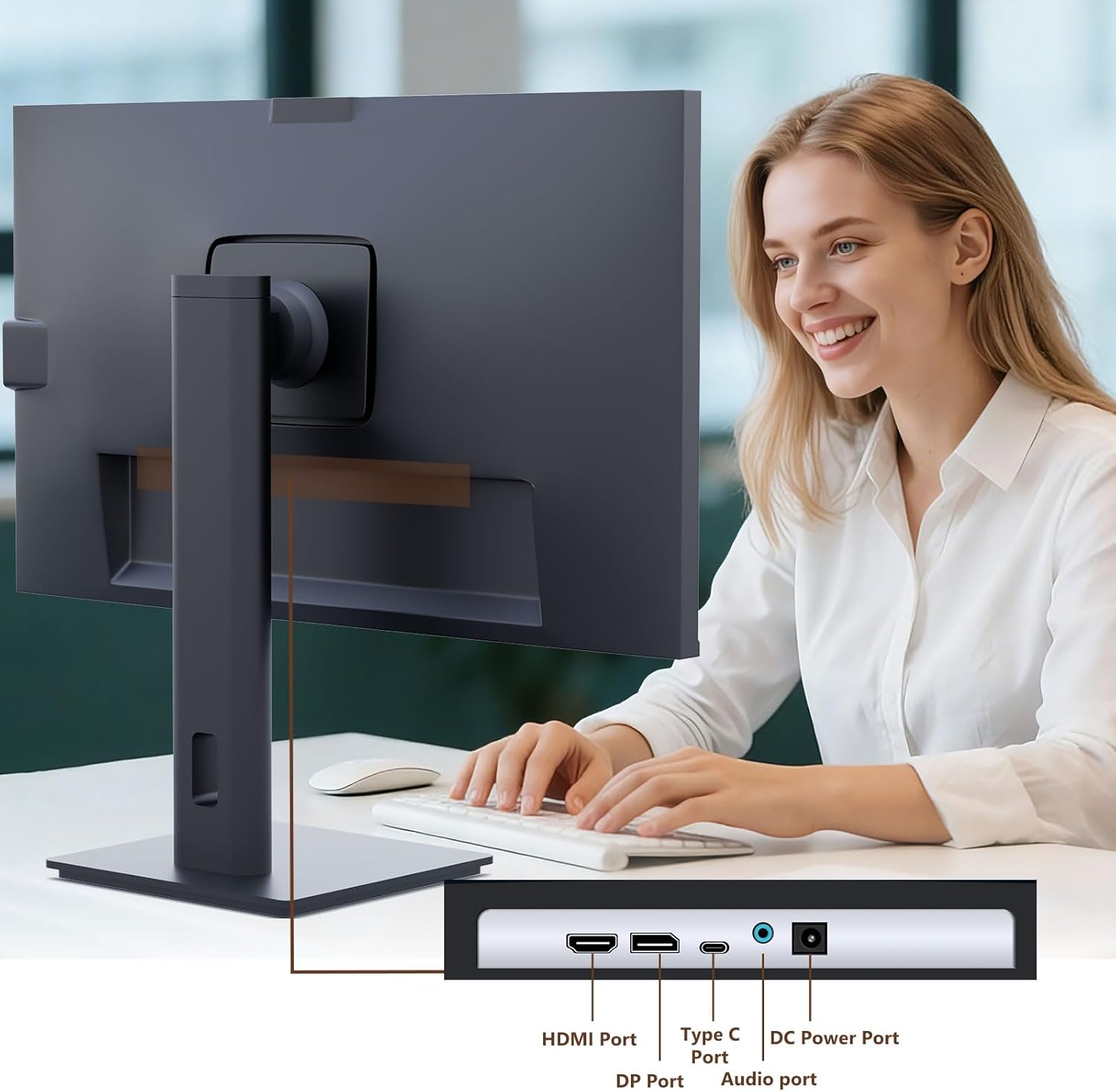
Figure 2: Available ports on the Pisichen monitor.

Figure 3: USB-C one-cable connection for simplified setup.

Figure 4: Connection options for desktop and laptop devices.
3. Agbara akọkọ Lori
Press the power button located on the monitor to turn it on. The monitor will automatically detect the active input source. If multiple sources are connected, you may need to select the correct input via the On-Screen Display (OSD) menu.
Awọn ilana Iṣiṣẹ
1. Iṣẹ́ Ibojú Ìfọwọ́kàn
The monitor supports 10-point multi-touch. Ensure the USB-C cable is connected (for full functionality) or the USB-A to USB-B cable is connected in addition to your video cable for touch input to work. Touch gestures are similar to those used on tablets or smartphones.
- Fọwọ ba: Single touch for selection or activation.
- Fa: Touch and hold, then move your finger to move items.
- Fun pọ/ Itan kaakiri: Lo ika meji lati sun-un sinu tabi ita.
- Ra: Move your finger across the screen to scroll or navigate.

Figure 5: Demonstrating intuitive touch interaction.

Figure 6: Collaborative use of the multi-touch display.
2. Built-in Webkamẹra Lilo
The monitor features a pop-up webcam for privacy and convenience. To use the webcam, gently press the top center of the monitor frame where the webcam is located. It will pop up. To retract it, gently press it down until it clicks into place.
Ensure your operating system and video conferencing software recognize the webcam. No additional drivers are typically required for basic functionality.

Figure 7: The monitor with its built-in pop-up webcam in use during a video conference.

Figure 8: High-definition video calls using the integrated webKame.awo-ori.
3. On-iboju Ifihan (OSD) Akojọ aṣyn
The OSD menu allows you to adjust various monitor settings. Use the buttons on the back or bottom of the monitor to navigate and select options.
- Imọlẹ/Itọtọ: Satunṣe awọn ifihan ká luminance ati itansan awọn ipele.
- Eto awọ: Ṣe àtúnṣe iwọn otutu awọ, gamma, ati awọn paramita miiran ti o ni ibatan si awọ.
- Orisun igbewọle: Manually select between HDMI, DisplayPort, or USB-C inputs.
- Ohun: Ṣàtúnṣe iwọn didun fún àwọn agbọ́hùnsọ tàbí àwọn agbekọri tí a so pọ̀.
- Ipo aworan: Select preset display modes (e.g., Standard, Game, Movie).
- HDR: Enable or disable High Dynamic Range settings for improved dark detail optimization.

Figure 9: HDR feature for enhanced visual detail.
4. Awọn atunṣe Ergonomic
Iduro atẹle ngbanilaaye fun ọpọlọpọ awọn atunṣe lati mu ilọsiwaju rẹ pọ si viewitunu:
- Atunse Giga: Gently push or pull the monitor up or down.
- Tẹ: Tilt the screen forward or backward to find the ideal angle.
- Swivel: Yi iboju naa pada si apa osi tabi ọtun lori ipilẹ rẹ.
- Pivot: Yi iboju 90 iwọn fun ipo aworan viewing.
Àwòrán 10: Àwọn àtúnṣe ergonomic fún ìpele tó dára jùlọ viewing.
Itoju
- Ninu iboju: Rọra nu iboju naa pẹlu asọ ti ko ni lint. Fun awọn ami alagidi, dampFi omi tàbí ohun ìfọmọ́ ìbòjú tí kò ní bàjẹ́ sí aṣọ náà díẹ̀. Má ṣe fọ́n omi síta tààrà sí ojú ìbòjú náà.
- Ninu ara: Lo aṣọ rirọ ati gbigbẹ lati nu iboju naaasing. Yago fun lilo awọn ifọsẹ ti o lagbara tabi awọn afọmọ abrasive.
- Ibi ipamọ: Ti o ba tọju atẹle naa fun akoko ti o gbooro sii, ge asopọ gbogbo awọn kebulu ki o tọju si ni itura, aaye gbigbẹ, ni pataki ninu apoti atilẹba rẹ.
Laasigbotitusita
Ko si Agbara
- Rii daju pe okun agbara ti sopọ ni aabo si atẹle mejeeji ati iṣan agbara.
- Rii daju pe iṣan agbara n ṣiṣẹ nipa pilogi sinu ẹrọ miiran.
- Check if the power adapter is correctly connected to the monitor.
Ko si ifihan agbara / Iboju òfo
- Confirm the video cable (HDMI, DP, or USB-C) is securely connected to both the monitor and your device.
- Rí i dájú pé a yan orísun ìtẹ̀wọlé tó tọ́ nínú àkójọ OSD ti monitor.
- Check your computer's display settings to ensure the monitor is detected and enabled.
- Gbiyanju okun fidio tabi ibudo fidio miiran ti o ba wa.
Touch Functionality Not Working
- If using HDMI or DisplayPort, ensure the USB-A to USB-B cable is connected from your device to the monitor.
- If using USB-C, ensure your device's USB-C port supports DisplayPort Alternate Mode and touch data transmission.
- Check your operating system's touch settings.
- Note that some devices, such as game consoles (PS3/4/5, Xbox, Steam Deck, Fire TV Cube) and certain Apple products (iPhone, iPad, Switch), do not support touch functionality with this monitor.

Figure 11: Touch compatibility chart for various devices.
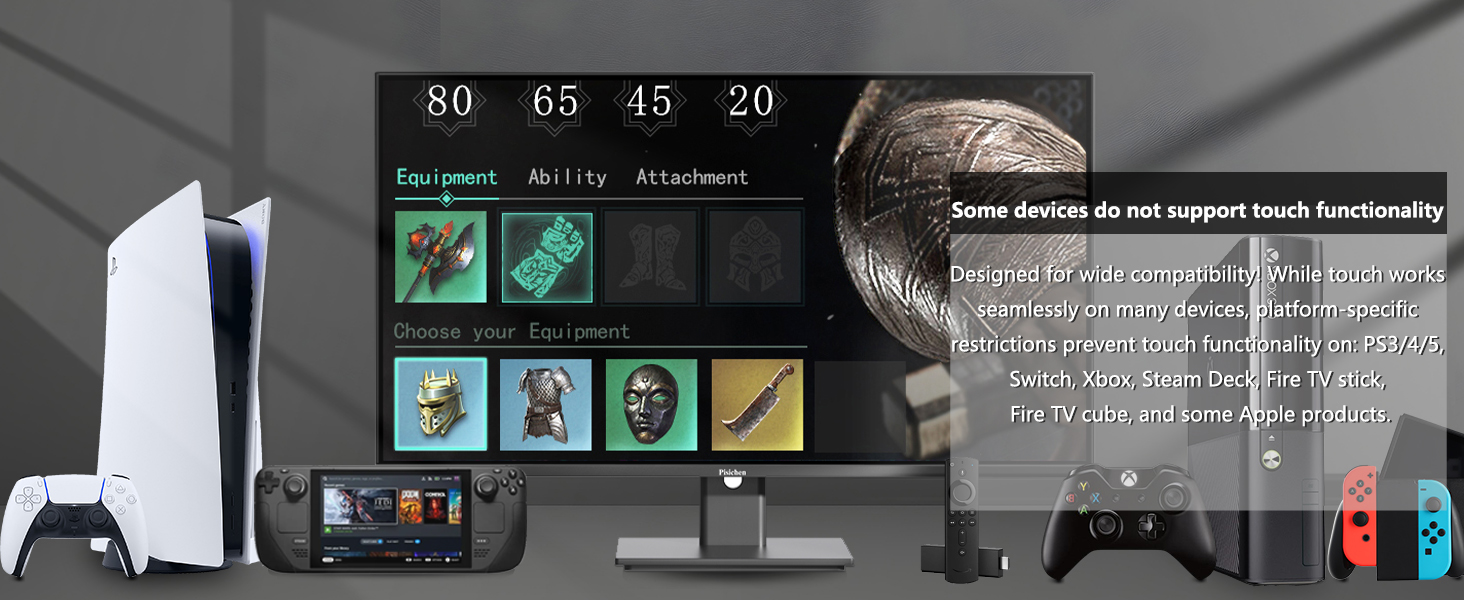
Figure 12: Devices that do not support touch functionality.
WebKame.awo-ori Ko Wa
- Rii daju pe webcam is fully popped up.
- Verify that the USB connection (either USB-C or USB-A to USB-B) is properly established.
- Check your operating system's privacy settings to ensure camera access is granted to applications.
- Tun kọmputa rẹ bẹrẹ.
Awọn pato
| Ẹya ara ẹrọ | Apejuwe |
|---|---|
| Nọmba awoṣe | 238TS-CMR |
| Iwon iboju | 23.8 inches |
| Ipinnu | 2560 x 1440 (QHD jakejado 1440p) |
| Oṣuwọn sọtun | 100Hz |
| Imọlẹ | 400 Candela (awọn ọra) |
| Ipin Itansan | 3000:1 |
| Fọwọkan Imọ-ẹrọ | 10-Point Multi-Fọwọkan |
| Webkamẹra | Built-in Pop-up Camera |
| Asopọmọra | HDMI, DisplayPort (DP), USB Type-C, USB-B (upstream), Audio Out, DC Power |
| Apakan Ipin | 16:9 |
| Iboju Iboju | Didan |
| Ọja Mefa | 1.97 x 21.26 x 12.6 inches |
| Iwọn Nkan | 11.53 iwon |
| Olupese | Shenzhen Konowa Electronics Co., LTD |
Atilẹyin ọja ati Support
Your Pisichen monitor is covered by a limited warranty. Please refer to the warranty card included in your package for specific terms and conditions, including the warranty period and coverage details.
For technical support, troubleshooting assistance, or warranty claims, please contact Pisichen customer service. Contact information can typically be found on the manufacturer's webojula tabi lori kaadi atilẹyin ọja.
When contacting support, please have your monitor's model number (238TS-CMR) and purchase information readily available.