
1. Awọn Ilana Aabo pataki
To ensure safe operation and prevent damage, please read and follow these instructions carefully.
- Yọọ kuro ni gbogbo igba ṣaaju ṣiṣe mimọ.
- Do not use harsh chemicals or abrasive materials to clean the inner bucket.
- Keep the unit away from water sources to prevent electrical hazards.
- Do not overfill the unit beyond its maximum capacity.
- Use caution when handling the contents, as they may contain sharp objects or hot material after a cycle.
- Ensure the lid is properly secured before starting any cycle.
- Ohun elo yii jẹ fun lilo ile nikan. Maṣe lo ni ita.
- Ma ṣe ṣiṣẹ ohun elo pẹlu okun ti o bajẹ tabi plug.
2. Ọja Ipariview
The NutriChef 4 Quart Electric Kitchen Composter is designed to efficiently transform food scraps into nutrient-rich fertilizer. It utilizes high-temperature drying, grinding, and cooling processes to reduce food waste volume by up to 90%.
Awọn ẹya pataki:
- Efficient Waste Reduction: Transforms food scraps into fertilizer in 2-6 hours, reducing waste volume by up to 90%.
- Odorless Operation: Equipped with dual activated carbon filters to ensure an odor-free environment. Includes a smart filter alert for timely replacement.
- Iṣe idakẹjẹ: Operates at less than 48 dB, suitable for use at any time without disruption.
- Awọn iṣakoso ore-olumulo: Features one-touch operation and three volume-based modes (Small, Medium, Large).
- Rọrun lati nu: Ceramic-coated inner bucket is heat-resistant, dishwasher-safe, and self-cleaning.
- Ti o tọ ati Ailewu: Constructed from ABS and aluminum with built-in overheat, overload, and auto-shutoff protection.
- Agbara Wapọ: 4-quart capacity suitable for handling waste from 5-10 people per cycle.
Awọn eroja:
Familiarize yourself with the main parts of your NutriChef Electric Kitchen Composter:
- Ibugbe Akọkọ
- Removable Inner Bucket (Ceramic-coated)
- Bo pẹlu Viewwọ Window
- Control Panel (Power, Volume, Mode, Start/Stop buttons, Timer Display, Indicator Lights)
- Dual Activated Carbon Filters (located in the filter compartment)
- Okun agbara
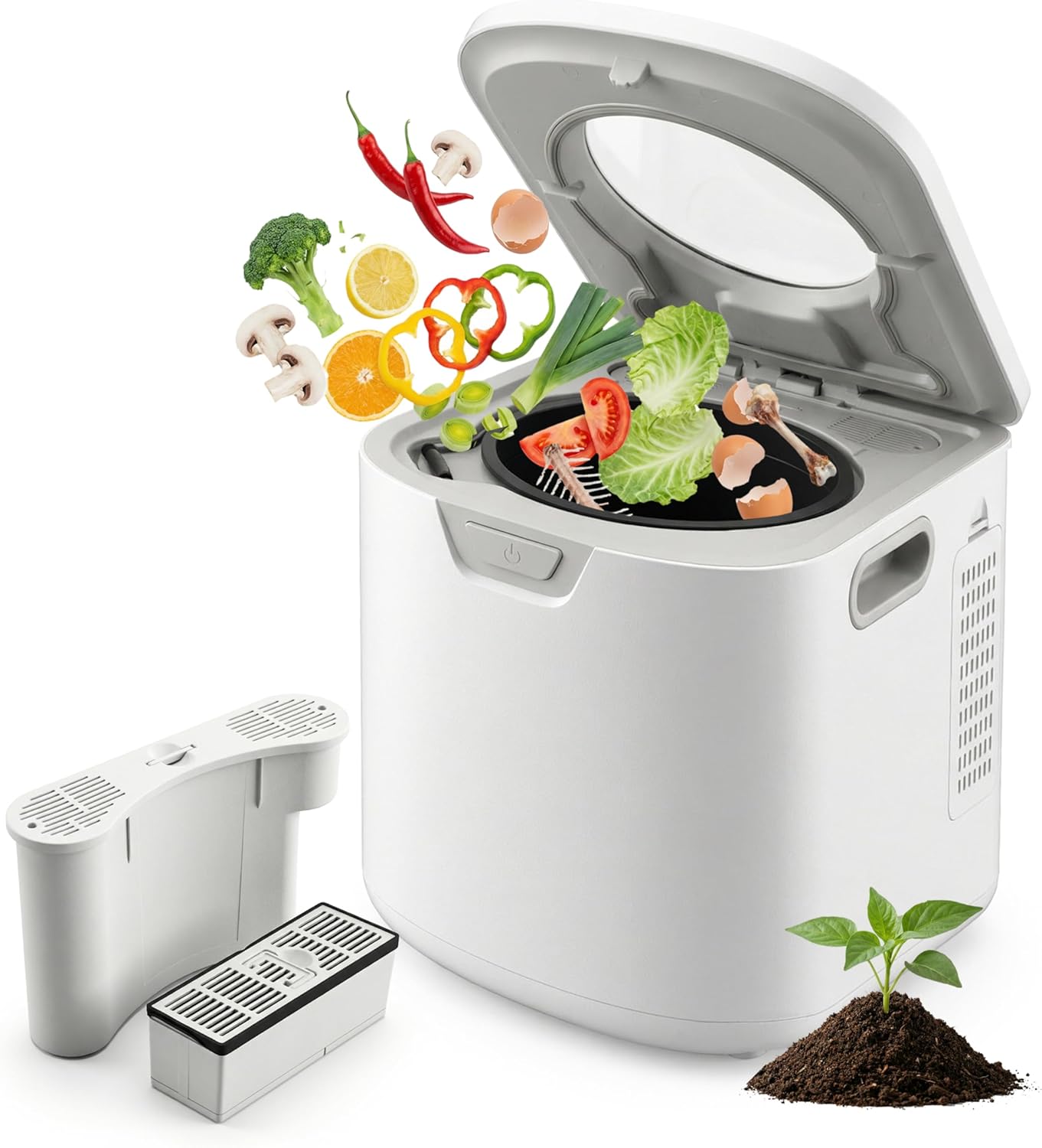
Figure 2.1: NutriChef 4 Quart Electric Kitchen Composter (White model).
3. Eto ati First Lo
- Unpack the Composter: Farabalẹ yọ gbogbo awọn ohun elo apoti kuro ki o rii daju pe gbogbo awọn paati wa.
- Ibi: Place the composter on a stable, flat, heat-resistant surface, such as a kitchen countertop or under cabinets. Ensure adequate ventilation around the unit.
- Fi Awọn Ajọ Erogba sori ẹrọ:
- Locate the filter compartment, typically at the back or side of the unit.
- Ṣii ideri iyẹwu naa.
- Insert the two activated carbon filters into their designated slots. Ensure they are seated correctly.
- Pa ideri iyẹwu àlẹmọ naa ni aabo.

Figure 3.1: Location of the carbon filter and odor filter.
- Clean the Inner Bucket: Before first use, wash the ceramic-coated inner bucket with warm, soapy water. Rinse thoroughly and dry completely. Place it back into the main unit.
- So agbara: Plug the power cord into a grounded electrical outlet. The unit will typically emit a beep and indicator lights may illuminate.
4. Awọn ilana Iṣiṣẹ
4.1 Adding Food Waste
- Open the lid of the composter.
- Add food scraps directly into the inner bucket. Do not overfill; ensure the lid can close securely without forcing.
- Pa ideri naa duro.

Figure 4.1: Food waste before and after composting.
4.2 Acceptable and Unacceptable Waste
The NutriChef composter is designed to process a wide range of organic kitchen waste. For optimal results, avoid items that can damage the unit or are not suitable for composting.
| Acceptable Waste | Unacceptable Waste |
|---|---|
| Fruit and vegetable scraps (peels, cores, wilted produce) | Large bones (beef, pork) |
| Coffee grounds and tea bags (without staples) | Hard pits (avocado, peach) |
| Awọn ẹyin | Dairy products (large quantities) |
| Cooked meat and fish (small quantities) | Oils and grease (large quantities) |
| Bread and pasta | Plastic, glass, metal, rubber |
| Small amounts of paper products (napkins, paper towels) | Styrofoam, packaging materials |
| Oka ati cereals | Candy, gum, and highly processed foods |
Note: For best results, cut larger food items into smaller pieces before adding them to the composter.
4.3 Starting a Composting Cycle
- Ensure the inner bucket is correctly placed and the lid is securely closed.
- Tẹ awọn Agbara bọtini lati tan-an kuro.
- Select the desired volume mode (Small, Medium, or Large) by pressing the Iwọn didun button. The indicator light for the selected mode will illuminate. This adjusts the cycle duration for optimal processing.
- (Optional) If your model has a Ipo button for custom control or specific functions (e.g., Easy-Clean), select it now.
- Tẹ awọn Bẹrẹ/Duro button to begin the composting cycle. The unit will start drying, grinding, and cooling the food waste. The display will show the remaining cycle time.

Figure 4.2: Smart one-touch control panel.
A typical cycle takes between 2 to 6 hours, depending on the volume and type of waste. The unit operates quietly, under 48 dB.
4.4 Lẹ́yìn Ìyípo náà
- Once the cycle is complete, the unit will beep and/or indicator lights will change.
- Allow the unit to cool down before opening the lid.
- Carefully remove the inner bucket. The processed material will be dry and significantly reduced in volume.
- The resulting material can be mixed with soil for plants and gardens.

olusin 4.3: Ti abẹnu view of the composting process.
5. Itọju
5.1 Cleaning the Inner Bucket
- Always unplug the composter before cleaning.
- Yọ garawa ti inu kuro ninu ẹyọ.
- The ceramic-coated inner bucket is dishwasher-safe. Alternatively, wash it by hand with warm, soapy water and a non-abrasive sponge.
- Rinse thoroughly and ensure it is completely dry before placing it back into the unit.
- The unit also features a self-cleaning mode (if available via the Mode button) for convenient internal cleaning.

Figure 5.1: Self-cleaning feature of the inner bucket.
5.2 Rirọpo Erogba Ajọ
- The composter is equipped with a smart filter alert that will indicate when the carbon filters need replacement, typically after approximately 600 hours of use.
- Yọọ kuro.
- Ṣii yara àlẹmọ.
- Remove the old filters and dispose of them responsibly.
- Insert new activated carbon filters, ensuring they are correctly oriented and seated.
- Pa ideri iyẹwu àlẹmọ.
- Note: Replacement filters can be purchased from authorized NutriChef retailers or the official webojula.

Figure 5.2: Air filtration system for odorless operation.
5.3 Ode Ninu
- Mu ese ita kuro pẹlu asọ, damp asọ.
- Ma ṣe lo awọn olutọpa abrasive tabi fi omi mọlẹ kuro ninu omi.
- Rí i dájú pé ẹ̀rọ náà gbẹ pátápátá kí o tó fi kún un.
6. Laasigbotitusita
If you encounter issues with your NutriChef Electric Kitchen Composter, refer to the following table for common problems and solutions.
| Isoro | Owun to le Fa | Ojutu |
|---|---|---|
| Ẹka ko ni agbara lori. | Ko edidi ni; isoro iṣan agbara; aiṣedeede kuro. | Rii daju pe okun agbara ti wa ni edidi ni aabo sinu iṣan-iṣẹ iṣẹ. Ṣayẹwo awọn Circuit fifọ. |
| Cycle does not start or stops unexpectedly. | Lid not properly closed; inner bucket not seated correctly; overheat/overload protection activated. | Ensure the lid is firmly closed and the inner bucket is correctly positioned. Unplug the unit, let it cool for 30 minutes, then try again. Reduce load size if consistently overloading. |
| "Filter" indicator light remains on (even if new). | Filters need replacement; filter compartment not closed properly; sensor issue. | Replace carbon filters if they have reached their lifespan (approx. 600 hours). Ensure the filter compartment cover is securely closed. If the issue persists with new filters, contact customer support. |
| Awọn õrùn ti ko dara lakoko iṣẹ. | Filters are old or saturated; inappropriate food waste added; lid not sealed. | Replace carbon filters. Review acceptable waste guidelines. Ensure the lid is properly sealed. Clean the inner bucket and unit thoroughly. |
| Àwọn ohun èlò tí a ti ṣe iṣẹ́ náà ṣì jẹ́ ọ̀rinrin tàbí kí ó wúwo. | Overfilled bucket; high moisture content in waste; incorrect volume mode selected. | Do not overfill the bucket. For very wet waste, consider adding some drier material (e.g., bread, paper towels) or running a longer cycle. Select the appropriate volume mode for the load size. |
| Unit is unusually noisy. | Hard items in the bucket; grinding mechanism obstruction. | Stop the unit, unplug it, and carefully check the inner bucket for any hard, unacceptable items that may be obstructing the grinding blades. Remove them before restarting. |
If the problem persists after trying these solutions, please contact NutriChef Customer Support.
7. Awọn pato
| Sipesifikesonu | Ẹ̀kúnrẹ́rẹ́ |
|---|---|
| Brand | NutriChef |
| Nọmba awoṣe | B0GF4PXV68 |
| Agbara | 4 Kọ́ọ̀tì (tó fẹ́rẹ̀ẹ́ tó 3.78 Lítà) |
| Ohun elo | Ceramic (inner bucket), ABS, Aluminum (housing) |
| Àwọ̀ | Funfun |
| Awọn iwọn Ọja (L x W x H) | 10.91" x 12.95" x 12.6" (27.7 cm x 32.9 cm x 32 cm) |
| Iwọn Nkan | 18.7 Poun (iwọn 8.48 kg) |
| Ariwo Ipele | Labẹ 48 dB |
| Akoko Yiyi | 2-6 hours (depending on volume and mode) |
| Àlẹmọ Iru | Dual Activated Carbon Filters |
| UPC | 842893184579 |
8. Atilẹyin ọja ati Support
Specific warranty information and detailed customer support contacts are not provided in this document. For warranty details, product registration, or technical assistance, please refer to the warranty card included with your product or visit the official NutriChef website. You may also contact the retailer where the product was purchased.
NutriChef Official Webojula: www.nutrichefkitchen.com