1. Ifihan
The Maxtec MAXO2+ Oxygen Analyzer is a portable device designed for accurate measurement of oxygen concentration. It is commonly used in various applications, including checking oxygen levels in scuba tanks, medical oxygen sources, and other gas mixtures. This manual provides essential information for the safe and effective use of your analyzer.
2. Alaye Aabo
Please read and understand all safety warnings and instructions before operating the device. Failure to do so may result in injury or damage to the product.
- Do not expose the analyzer to extreme temperatures or direct sunlight.
- Avoid dropping the device or subjecting it to severe impact.
- Ensure the oxygen sensor is properly installed and sealed to prevent inaccurate readings.
- Only use the device for its intended purpose of measuring oxygen concentration.
- Keep the device away from water unless specifically designed for waterproof use (refer to specifications).
- Dispose of batteries and the sensor according to local regulations.
3. Package Awọn akoonu
Daju pe gbogbo awọn nkan wa ninu apo rẹ:
- MAXO2+ Oxygen Analyzer Unit
- Oxygen Sensor (typically sealed in a protective pouch)
- T-Piece Adapter
- Tubing (for inline sampling)
- 3 x AAA batiri
- Waterproof Carrying Case (for some models)
- Small Screwdriver (for battery/sensor compartment)
4. Ọja Ipariview
The MAXO2+ Oxygen Analyzer features a compact design with an easy-to-read digital display. Key components include:
- Ifihan Digital: Shows oxygen concentration in percentage.
- Awọn bọtini Iṣakoso: Typically for power on/off and calibration.
- Ibudo sensọ: Located at the bottom, where the oxygen sensor is installed.
- T-Piece Adapter: Connects to the sensor port for sampling gas from various sources.
- Abala Batiri: O ni awọn batiri AAA.
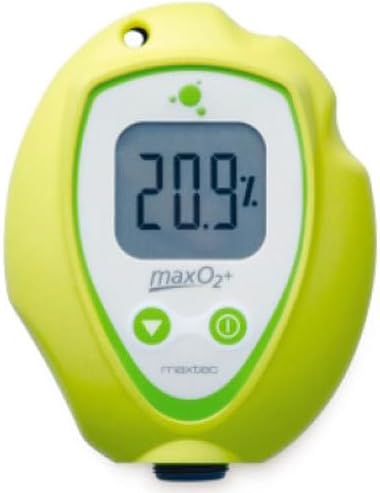
Figure 1: Maxtec MAXO2+ Oxygen Analyzer with digital display showing 20.9% oxygen.
5. Eto ati Ibẹrẹ Lilo
Follow these steps to prepare your analyzer for use:
- Fi Awọn batiri sii:
- Locate the battery compartment cover on the back of the analyzer.
- Use the provided small screwdriver to unscrew the retaining screws and remove the cover.
- Fi awọn batiri AAA 3 sii, ni idaniloju polarity ti o pe.
- Rọpo ideri ki o ni aabo pẹlu awọn skru.
- Install Oxygen Sensor:
- The oxygen sensor is typically packaged separately to prevent premature exposure to air.
- Unscrew the cap from the sensor port at the bottom of the analyzer.
- Carefully remove the new oxygen sensor from its protective packaging.
- Screw the sensor into the sensor port until it is finger-tight. Do not overtighten.
- Attach T-Piece Adapter:
- The T-piece adapter allows for sampling from various gas sources.
- Firmly push the T-piece adapter onto the top port of the analyzer.
- If using tubing for inline sampling, connect one end of the tubing to one side of the T-piece.
Video 1: Demonstration of the Oxygen Analyzer's features, T-piece attachment, and sampilana ling.
6. Awọn ilana Iṣiṣẹ
To ensure accurate readings, proper operation and calibration are crucial.
- Agbara Tan: Press the power button (usually marked with an 'I' or power symbol) to turn on the analyzer. The display will illuminate and show the current oxygen concentration.
- Calibration (Fresh Air):
- Before each use, or if the device has been stored for a long time, calibrate the analyzer in fresh air (20.9% oxygen).
- Ensure the T-piece is open to ambient air, or no gas source is connected.
- Press and hold the calibration button (often marked with a 'CAL' or similar symbol) until the display shows "20.9%" or indicates successful calibration. Some models may have a one-button calibration feature.
- Gba kika kika lati duro.
- Gbigba Iwọn:
- Connect the T-piece adapter to your oxygen source (e.g., scuba tank valve, oxygen concentrator outlet). For scuba tanks, ensure a snug fit with the rubberized dome.
- Slowly open the valve of the oxygen source to allow gas to flow through the T-piece and over the sensor.
- Observe the digital display for the oxygen concentration reading. Allow a few seconds for the reading to stabilize.
- Once the reading is stable, note the measurement.
- Close the oxygen source valve and disconnect the analyzer.
- Agbara Pa: Tẹ mọlẹ bọtini agbara titi ti ifihan yoo wa ni pipa.
7. Itọju
Regular maintenance ensures the longevity and accuracy of your MAXO2+ Oxygen Analyzer.
- Ninu: Wipe the exterior of the analyzer with a soft, damp asọ. Ma ṣe lo awọn olutọpa abrasive tabi fi ẹrọ bọ inu omi.
- Rirọpo Sensọ: Oxygen sensors have a limited lifespan (typically 1-2 years, depending on usage and exposure). Replace the sensor when readings become erratic, calibration fails, or the "low sensor" indicator appears. Follow the sensor installation steps in Section 5.
- Rirọpo Batiri: Replace batteries when the low battery indicator appears on the display or the device fails to power on. Follow the battery installation steps in Section 5.
- Ibi ipamọ: Store the analyzer in its waterproof case in a cool, dry place when not in use. Ensure the sensor port is capped or the T-piece is attached to minimize sensor exposure to ambient air, prolonging its life.
8. Laasigbotitusita
| Isoro | Owun to le Fa | Ojutu |
|---|---|---|
| Ẹrọ naa ko ṣiṣẹ. | Awọn batiri ti o ku tabi ti ko tọ ti fi sori ẹrọ. | Ropo awọn batiri, aridaju ti o tọ polarity. |
| Inaccurate or erratic readings. | Sensor needs calibration, old sensor, or sensor not properly installed. | Perform fresh air calibration. If problem persists, replace the sensor. Ensure sensor is tightly screwed in. |
| Calibration fails. | Sensor is at the end of its life, or calibration environment is not fresh air. | Replace the oxygen sensor. Ensure calibration is performed in an area with known 20.9% oxygen. |
| No gas flow through T-piece. | Obstruction in tubing or T-piece, or gas source not properly connected/opened. | Check tubing for kinks. Ensure T-piece is clear. Verify gas source connection and valve. |
9. Awọn pato
- Brand: Maxtec
- Nọmba awoṣe: R217P42
- Ìwọ̀n Nkan: 12.8 iwon
- Awọn iwọn ọja: 6.4 x 10 x 3.7 inches
- Sensọ atẹgun: Honeywell (Made in Germany, as per video)
- Orisun Agbara: 3 x AAA batiri
- Iwọn Iwọn: 0-100% Oxygen (as per video)
10. Atilẹyin ọja ati Support
Fun alaye atilẹyin ọja tabi atilẹyin imọ-ẹrọ, jọwọ tọka si osise olupese naa. webojula tabi kan si wọn onibara iṣẹ Eka. Tọju iwe-ẹri rira rẹ bi ẹri rira.


