1. Ifihan
This instruction manual provides essential information for the safe and efficient operation of your Steinbach SPS 75-1T Self-priming Filter Pump. This pump is designed to be the central component of your pool's filtration system, ensuring clean and clear water. Please read this manual thoroughly before installation, operation, or maintenance to ensure proper use and longevity of the product.
2. Awọn ilana aabo
Always observe basic safety precautions when using electrical equipment, especially near water. Failure to do so can result in serious injury or death.
- Ensure the pump is connected to a properly grounded electrical outlet.
- Ma ṣe ṣiṣẹ fifa soke ti okun tabi plug ba bajẹ.
- Never touch the pump or electrical connections with wet hands.
- Ge asopọ agbara ṣaaju ṣiṣe eyikeyi itọju tabi mimọ.
- Pa awọn ọmọde ati awọn eniyan laigba aṣẹ kuro ni fifa soke lakoko iṣẹ.
- The pump is designed for water filtration only. Do not use it for other liquids.
- Rí i dájú pé afẹ́fẹ́ tó péye wà ní àyíká pọ́ọ̀ǹpù náà kí ó má baà gbóná jù.
3. Ọja Ipariview
The Steinbach SPS 75-1T pump is a self-priming filtration pump equipped with an integrated timer for convenient operation. It features a pre-filter to capture larger debris before it reaches the pump impeller, protecting the pump and ensuring efficient filtration.

Nọmba 3.1: Lapapọ view of the Steinbach SPS 75-1T Self-priming Filter Pump. This image shows the complete pump unit, including the motor, pump housing, pre-filter basket, and connection ports.

Nọmba 3.2: Alaye view of the transparent pre-filter housing and the pump's outlet connection. The pre-filter is designed to trap large debris, preventing it from entering and damaging the pump's impeller.

Figure 3.3: The control panel of the pump, featuring the ON/OFF switch and the integrated timer settings. The timer allows for automated operation of the pump.
4. Eto
4.1 Ibi
Position the pump on a firm, level surface near your pool, ensuring it is protected from direct sunlight and adverse weather conditions. The pump should be placed below the water level of the pool for optimal self-priming performance, or as close as possible to the water source.
4.2 Awọn isopọ
Connect the pool hoses to the pump's inlet and outlet ports. The pump supports hose connections with a diameter of 32/38 mm. Ensure all connections are tight to prevent leaks and maintain proper suction.

Figure 4.1: Close-up of the pump's inlet connection with a hose barb fitting attached, ready for hose connection.
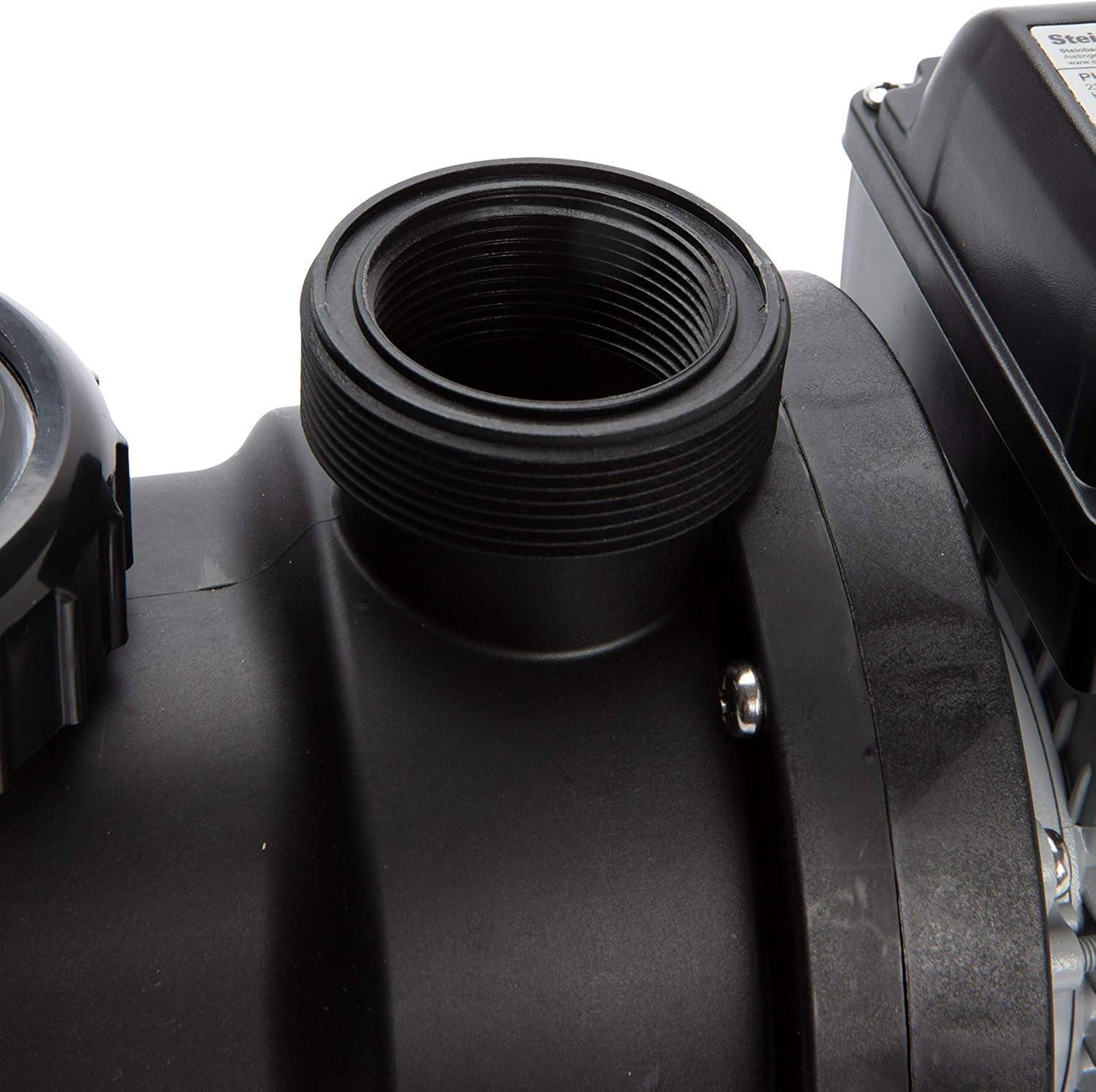
Figure 4.2: The threaded inlet connection of the pump, shown without the hose barb fitting, illustrating the standard connection point.
For electrical connection, plug the pump into a standard 230V power outlet. Ensure the outlet is protected by a Residual Current Device (RCD) for safety.
4.3 Priming fifa soke
Although the SPS 75-1T is a self-priming pump, it is recommended to fill the pre-filter housing with water before the first start-up or after prolonged periods of inactivity. This assists in faster priming and protects the pump from dry running.
- Rii daju pe fifa soke ti ge asopọ lati agbara.
- Unscrew the transparent lid of the pre-filter housing.
- Fill the housing completely with water.
- Securely re-attach the lid, ensuring the O-ring is properly seated to prevent air leaks.
- Connect the pump to power and switch it on. The pump should begin to draw water and expel air.

Figure 4.3: The pre-filter housing with its transparent lid unscrewed, showing the internal basket. This is where water is added for priming and where debris collects.
5. Awọn ilana Iṣiṣẹ
5.1 Titan / Pa a
To turn the pump on, press the TAN/PA button on the control panel. To turn it off, press the same button again. Always ensure the pump is fully primed before starting.
5.2 Aago Išė
The integrated timer allows you to program the pump's operating hours. Refer to the markings on the control panel (e.g., 2, 4, 6, 8, 10, 12, 14, 16, 24 hours) to set the desired duration. Press the Aago button to cycle through the available settings. The corresponding indicator light will illuminate to show the selected operating time.
For optimal pool water circulation and filtration, it is generally recommended to operate the pump for at least 8-12 hours per day, depending on pool size, usage, and environmental conditions.
6. Itọju
6.1 Cleaning the Pre-filter Basket
Regularly inspect and clean the pre-filter basket to ensure optimal pump performance and prevent clogging. The frequency of cleaning depends on the amount of debris in your pool water.
- Ge asopọ fifa soke lati ipese agbara.
- Close any necessary valves to prevent water flow from the pool.
- Unscrew the transparent lid of the pre-filter housing (refer to Figure 4.3).
- Remove the pre-filter basket.
- Rinse the basket thoroughly with water to remove all debris.
- Inspect the O-ring on the lid for any damage and ensure it is clean.
- Place the clean basket back into the housing and securely re-attach the lid.
- Re-open valves and reconnect power.
6.2 Ṣíṣe Ìgbà Òtútù àti Ìpamọ́
Before the first frost, or if the pump will not be used for an extended period, it must be properly winterized to prevent damage.
- Ge asopọ fifa soke lati agbara.
- Drain all water from the pump by opening the drain plug (if available) or by tilting the pump.
- Ge asopọ gbogbo awọn okun.
- Nu ode ti fifa soke.
- Tọju fifa soke ni ibi gbigbẹ, ti ko ni otutu.
7. Laasigbotitusita
| Isoro | Owun to le Fa | Ojutu |
|---|---|---|
| Pump ko bẹrẹ. | No power supply; tripped circuit breaker; faulty motor. | Check power connection; reset circuit breaker; contact qualified technician. |
| Low water flow or no flow. | Pre-filter basket clogged; air leak in suction line; pump not primed; impeller clogged. | Clean pre-filter; check hose connections for leaks; re-prime pump; inspect impeller for debris (after disconnecting power). |
| Fifa ti n pariwo. | Air in the system; cavitation (insufficient water supply); worn bearings. | Check for air leaks and re-prime; ensure adequate water level in pool; contact qualified technician. |
| Water leaking from pump. | Àwọn ìsopọ̀ tí ó dẹ̀; àwọn òrùka/ìdìmú O tí ó bàjẹ́. | Tighten connections; inspect and replace O-rings/seals as needed. |
8. Awọn pato
| Ẹya ara ẹrọ | Iye |
|---|---|
| Olupese | Steinbach |
| Nọmba awoṣe | 040916 |
| Awọn iwọn Ọja (L x W x H) | 12.7 x 10.16 x 7.62 cm |
| Iwọn | 3 kg (6.61 poun) |
| Àwọ̀ | Dudu |
| Ohun elo | Irin ti ko njepata |
| Agbara Iru | Cable ina |
| Voltage | 230 Volts |
| Agbara | 450 Wattis |
| Agbara fifa soke | 8,520 liters/hour (142 liters/minute) |
| Max Pump Head | 9 mita |
| Hose Connection Diameter | 32/38 mm |
| Omi Omi Max | 35 °C |
| Max Pool Iwon | 33,000 lita |
| Ariwo Ipele | Isunmọ. 70 dB |
| Aago Integrated | Bẹẹni |
9. Atilẹyin ọja ati Support
For information regarding product warranty, please refer to the documentation provided with your purchase or visit the official Steinbach website. Warranty terms and conditions typically cover manufacturing defects and vary by region and retailer.
For technical support, spare parts, or service inquiries, please contact Steinbach customer service or your authorized dealer. Keep your purchase receipt and product model number (040916) readily available when seeking support.


