Ọrọ Iṣaaju
This manual provides essential instructions for the safe and effective installation, operation, and maintenance of the Carrier HK61EA005 OEM Replacement Furnace Control Board. Please read this manual thoroughly before proceeding with any installation or service procedures. Retain this manual for future reference.
Alaye Aabo
IKILO: Installation and servicing of heating, ventilation, and air conditioning (HVAC) equipment can be hazardous due to system pressure, electrical components, and equipment location. Only trained and qualified service personnel should install, repair, or service HVAC equipment. Failure to follow these instructions could result in property damage, personal injury, or death.
- Always disconnect power to the furnace before installing or servicing the control board.
- Rí i dájú pé gbogbo àwọn ìsopọ̀ wáyà náà wà ní ààbò àti pé ó tọ́ gẹ́gẹ́ bí ìlànà olùṣe ààrò iná náà.
- Wọ ohun elo aabo ti ara ẹni ti o yẹ (PPE), pẹlu awọn gilaasi ailewu ati awọn ibọwọ.
- Ensure proper grounding of the furnace system.
Ọja Pariview
The Carrier HK61EA005 is an OEM replacement furnace control board designed to manage the operational sequences of a furnace, including ignition, fan control, and safety monitoring. This board is compatible with various Carrier furnace models.
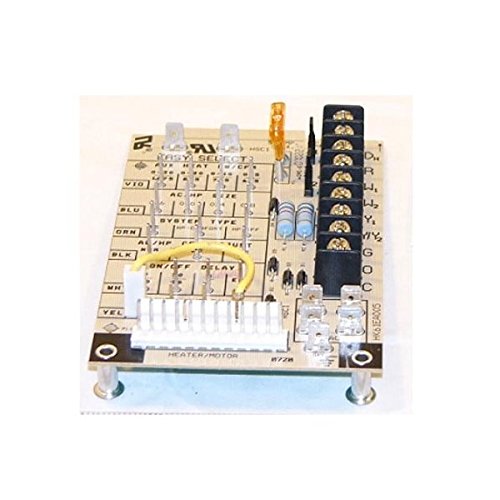
Nọmba 1: Carrier HK61EA005 Furnace Control Board. This image displays the circuit board with various terminals, jumpers, and components. Key features include the "EASY SELECT" jumper settings for system type, ON/OFF DELAY settings, and terminal blocks for wiring connections such as D, R, W, W2, Y, Y2, G, O, and C. A yellow jumper wire is visible connecting two pins on the board.
Eto ati fifi sori
- Ge asopọ agbara: Pa gbogbo agbara ina si ileru ni panẹli iṣẹ akọkọ. Ṣe idaniloju pe agbara ti pa nipa lilo voltage mita.
- Access Old Board: Ṣí páálí ìwọ̀lé sí ààrò iná láti rí páálí ìṣàkóṣo tó wà.
- Ìsopọ̀mọ́ ìwé: Before disconnecting any wires, take clear photographs or make a detailed diagram of all wiring connections to the old control board. Note the position and color of each wire.
- Ge asopọ Awọn onirin: Carefully disconnect all wires and connectors from the old control board.
- Yọ Igbimọ atijọ kuro: Tú pátákó ìṣàkóso àtijọ́ kúrò nínú ẹ̀rọ ìdáná. Ṣàkíyèsí bí wọ́n ṣe dè é mọ́ (àwọn skru, gíláàsì, àti bẹ́ẹ̀ bẹ́ẹ̀ lọ).
- Fi sori ẹrọ Igbimọ Tuntun: Mount the new HK61EA005 control board in the same location and orientation as the old board. Ensure it is securely fastened.
- Asopọmọra Waya: Refer to your photographs or diagram and carefully reconnect all wires and connectors to the corresponding terminals on the new control board. Double-check each connection for accuracy and tightness.
- Awọn Eto Jumper: Configure the "EASY SELECT" jumpers and ON/OFF DELAY jumpers on the new board to match the settings of the original board or the furnace manufacturer's specifications. These settings typically determine the system type (e.g., AC, HP) and fan delay times. Refer to the furnace wiring diagram for specific requirements.
- Pa Panel Wiwọle Pade: Nígbà tí a bá ti fìdí gbogbo àwọn ìsopọ̀ múlẹ̀, pa àwọn páálí ìwọ̀lé sí iná mànàmáná náà kí o sì so wọ́n mọ́.
- Pada Agbara pada: Mu agbara ina pada si ileru ni panẹli iṣẹ akọkọ.
Awọn ilana Iṣiṣẹ
After successful installation and power restoration, the furnace control board will initiate its normal operating sequence. The board manages the following functions:
- Titọ-ina: Controls the gas valve and igniter for safe furnace startup.
- Iṣakoso Afẹfẹ: Manages the indoor blower motor operation based on heating or cooling demands and delay settings.
- Abojuto Aabo: Continuously monitors various safety sensors (e.g., flame sensor, limit switches) and will shut down the furnace if a fault is detected.
- Ibaraẹnisọrọ Thermostat: Communicates with the thermostat to receive heating and cooling calls.
For specific operational details, refer to your furnace's primary instruction manual.
Itoju
The HK61EA005 control board itself requires no routine maintenance. However, regular maintenance of the overall furnace system is crucial for its longevity and proper function. This includes:
- Rirọpo Asẹ Afẹfẹ: Replace or clean the furnace air filter regularly (typically every 1-3 months) to ensure proper airflow.
- Ayewo Ọjọgbọn Ọdọọdun: Have a qualified HVAC technician inspect and service your furnace annually.
- Clean Flame Sensor: A dirty flame sensor can cause intermittent furnace operation. This should be cleaned by a qualified technician.
Always disconnect power to the furnace before performing any maintenance.
Laasigbotitusita
If the furnace is not operating correctly after installing the new control board, consider the following troubleshooting steps:
- Ko si Agbara:
- Ṣàyẹ̀wò ẹ̀rọ ìfọ́mọ́ra fún ilé ìtura náà.
- Ensure the furnace disconnect switch is in the "ON" position.
- Verify all low-voltage ati giga-voltagÀwọn ìsopọ̀ e sí pátákó ìṣàkóso wà ní ààbò.
- Ààrò tí kò ń jóná:
- Confirm the thermostat is set to "HEAT" and the temperature is above the ambient room temperature.
- Check for error codes on the control board (if applicable, refer to your furnace manual for code interpretations).
- Rii daju pe àtọwọdá ipese gaasi wa ni sisi.
- Rí i dájú pé sensọ iná náà mọ́ tónítóní àti pé ó wà ní ipò tó yẹ.
- Fan Not Operating Correctly:
- Check the "ON/OFF DELAY" jumper settings on the control board.
- Ensure the thermostat fan setting is correct (AUTO/ON).
- Verify the fan motor connections to the control board.
- Awọn koodu aṣiṣe: Many control boards have diagnostic LEDs that flash codes to indicate specific faults. Consult your furnace's original manual for a list of error codes and their meanings.
If troubleshooting steps do not resolve the issue, contact a qualified HVAC technician for assistance.
Awọn pato
| Nọmba awoṣe | HK61EA005 |
| Alternate Model Number | CECOMINOD058414 |
| Brand | Carrier (OEM Replacement) |
| Ọja Mefa | 6 x 6 x 6 inches |
| Iwọn | 0.01 iwon |
| Ọjọ Akọkọ Wa | Oṣu Kẹwa Ọjọ 8, Ọdun 2013 |
Atilẹyin ọja ati Support
For warranty information regarding this OEM replacement part, please refer to the terms provided by your original point of purchase or the specific warranty documentation included with the product. For technical support, it is recommended to consult a qualified HVAC technician or the original furnace manufacturer's support resources.


