1. Ifihan
This manual provides essential instructions for the safe and effective use of your NEO TOOLS Front Stripping Pliers, Model 01-500. Please read this manual thoroughly before operating the tool and retain it for future reference. This tool is designed for stripping insulation from electrical wires and for cutting wires.
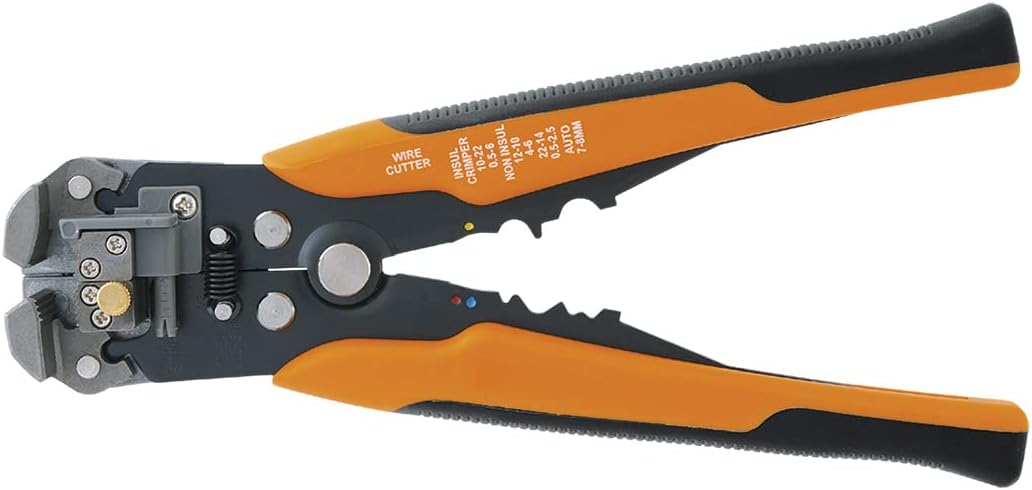
Aworan 1.1: Pariview of the NEO TOOLS Front Stripping Pliers 01-500.
2. Alaye Aabo
Always prioritize safety when working with tools, especially electrical tools. Failure to follow these safety guidelines may result in injury or damage to the tool or property.
- Idaabobo Oju: Always wear appropriate eye protection (safety glasses or goggles) to prevent injury from flying debris.
- Awọn ọwọ ti o ya sọtọ: The pliers feature bi-material handles designed for a secure grip. However, these pliers are not rated for live electrical work unless explicitly stated as VDE 1000V certified. Always ensure power is disconnected before working on electrical circuits.
- Lilo daradara: Use the tool only for its intended purpose: stripping and cutting electrical wires. Do not use it as a hammer, pry bar, or for other unintended applications.
- Maintain Tool: Keep the tool clean and in good working condition. Inspect for damage before each use. Do not use if damaged.
- Awọn ọmọde ati Awọn Oluduro: Jeki awọn ọmọde ati awọn alafojusi kuro lakoko ti o nṣiṣẹ ọpa.
This product is TÜV Rheinland certified, indicating compliance with relevant safety standards.

Image 2.1: TÜV Rheinland Certified logo.
3. Ọja Ipariview ati irinše
The NEO TOOLS Front Stripping Pliers 01-500 are a versatile hand tool constructed from durable alloy steel (CrV steel) for longevity and performance. Key components include:
- Awọn Ẹkan Yiyọ: Front-mounted jaws for precise insulation removal.
- Ige Waya: Integrated cutting blade for various wire types.
- Ẹ̀rẹ̀kẹ̀rẹ̀: Designed for crimping insulated and non-insulated terminals.
- Adjustable Stop: For consistent stripping length.
- Atunse ẹdọfu: Screw for adjusting stripping force based on wire gauge.
- Bi-material Handles: Ergonomically designed for comfort and grip.

Image 3.1: NEO TOOLS Front Stripping Pliers in operation.
4. Eto
The pliers require minimal setup. Before first use, familiarize yourself with the adjustment mechanisms:
- Stripping Length Adjustment: Locate the adjustable stop mechanism. Slide it to the desired length for the insulation you wish to remove. This ensures consistent strip lengths.
- Atunse ẹdọfu: A small screw or dial is typically present to adjust the tension of the stripping jaws. For smaller gauge wires, less tension may be required to prevent damage to the conductor. For larger gauge wires, more tension ensures a clean strip. Test on a scrap piece of wire first.
5. Awọn ilana Iṣiṣẹ
Tẹle awọn igbesẹ wọnyi fun iṣẹ ṣiṣe to munadoko ati ailewu:
5.1. Gbigbọn Waya
- Select Wire: Identify the wire to be stripped and its gauge. The pliers are suitable for 22-10 AWG (0.2-6 mm²) wires.
- Waya Ipo: Open the pliers and insert the wire into the stripping jaws. Ensure the wire is seated correctly and the insulation is aligned with the adjustable stop (if used).
- Awọn ọwọ fun pọ: Firmly squeeze the handles together. The jaws will grip the insulation, cut it, and then pull it away from the conductor.
- Tu silẹ: Release the handles to free the stripped wire. Inspect the conductor for any nicks or damage. If damage occurs, adjust the tension and re-strip.
5.2. Waya Ige
The integrated wire cutter is located on the pliers.
- Waya Ipo: Place the wire to be cut into the designated cutting area of the pliers.
- Awọn ọwọ fun pọ: Squeeze the handles firmly to cut the wire.
5.3. Crimping
The pliers include crimping jaws for insulated and non-insulated terminals.
- Yan Ibudo: Choose the appropriate terminal for your wire gauge.
- Fi Terminal sii: Place the terminal into the correct crimping slot on the pliers.
- Fi Waya sii: Fi waya ti a ti gé sinu ebute naa.
- Àrùn: Squeeze the handles firmly until the crimp is complete.
6. Itọju
Regular maintenance ensures the longevity and optimal performance of your pliers.
- Ninu: After each use, wipe the pliers clean with a dry cloth to remove any dust, dirt, or wire fragments. For stubborn grime, a mild solvent can be used, ensuring it does not damage the handle material.
- Lubrication: Periodically apply a small amount of light machine oil to the pivot points and moving parts to ensure smooth operation and prevent rust.
- Ibi ipamọ: Store the pliers in a dry environment to prevent corrosion. Keep them away from direct sunlight and extreme temperatures.
- Ayewo: Regularly inspect the jaws for wear, damage, or misalignment. Ensure the cutting edges are sharp and free from nicks.
7. Laasigbotitusita
Tí o bá ní ìṣòro pẹ̀lú àwọn ohun èlò ìdènà rẹ, wo àwọn ìṣòro àti ìdáhùn tí ó wọ́pọ̀ wọ̀nyí:
| Isoro | Owun to le Fa | Ojutu |
|---|---|---|
| Wire insulation not stripping cleanly. | Incorrect tension setting; dull jaws; wrong wire gauge. | Adjust tension screw; inspect jaws for wear; ensure correct wire gauge is used. |
| Wire conductor is nicked or cut during stripping. | Too much tension; incorrect wire gauge; wire not centered. | Reduce tension; verify wire gauge; ensure wire is centered in jaws. |
| Pliers feel stiff or difficult to operate. | Àìsí ìpara; ìdọ̀tí/ẹ̀gbin nínú ẹ̀rọ. | Clean pliers and apply light machine oil to pivot points. |
| Wire cutter is not cutting effectively. | Dull cutting edge; attempting to cut material too hard for the tool. | Inspect cutting edge for damage; ensure only appropriate wires are cut. |
8. Awọn pato
- Nọmba awoṣe: 01-500
- Brand: Awọn irinṣẹ NEO
- Gigun: 205 mm
- Ohun elo: Alloy Steel (CrV Steel)
- Wire Stripping Capacity: 22-10 AWG (0.2-6 mm²)
- Hardness (Stripping Jaws): 52-57 HRC
- Awọn iwọn (L x W x H): 27 x 14 x 3.5 cm
- Ìwúwo: 320 giramu
- Awọn iwe-ẹri: Ti fọwọsi TÜV Rheinland
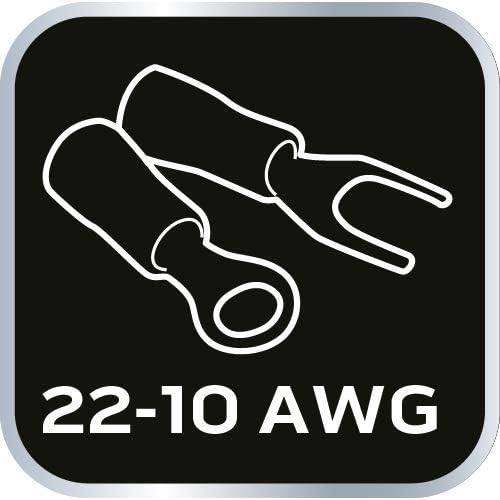
Image 8.1: Indication of 22-10 AWG wire stripping capacity.

Image 8.2: Indication of 52-57 HRC hardness for the stripping jaws.

Image 8.3: Indication of CrV Steel material.
9. Atilẹyin ọja ati Support
NEO TOOLS provides a 25-year guarantee for this product, reflecting its commitment to quality and durability. For warranty claims, technical support, or further inquiries, please refer to the contact information provided with your purchase or visit the official NEO TOOLS webojula.

Image 9.1: 25 Years Guarantee logo.


