1. Ifihan
This manual provides comprehensive instructions for the installation, operation, and maintenance of your 1byone OUSQH-0535 Easy Chime Wireless Doorbell Kit. This kit includes two plug-in receivers and one push button, designed to provide a reliable and convenient notification system for your home or office. Please read this manual thoroughly before use to ensure proper functionality and safety.
2. Package Awọn akoonu
Daju pe gbogbo awọn nkan wa ninu apo rẹ:
- 2 x 1byone Plug-in Receivers
- 1 x 1byone Wireless Push Button
- 1 x AAA Battery (pre-installed in push button)
- Ohun elo iṣagbesori (awọn skru ati teepu alemora)

Figure 2.1: Complete 1byone Wireless Doorbell Kit
3. Awọn ẹya Ọja
- Ibiti Alailowaya ti o gbooro sii: Operates up to 100 meters (300 feet) in open areas, ensuring reliable signal transmission throughout most homes.
- Multiple Chime Tones: Offers 36 selectable CD-quality melodies.
- Iwọn ti o le ṣatunṣe: Three volume levels ranging from 25dB to 85dB.
- Itaniji wiwo: Integrated LED flash provides a visual notification, beneficial for the hearing impaired or noisy environments.
- Bọtini Titari ti ko ni oju ojo: IP44 ti a fun ni lilo ita gbangba, o n daabobo lodi si eruku ati omi ti n ṣan silẹ.
- Eto ti o le gbooro: Supports adding additional 1byone chimes or push buttons.
- Fifi sori Rọrun: Simple plug-and-play setup for receivers and flexible mounting options for the push button.

Nọmba 3.1: Apejuwe Ibiti Alailowaya
4. Idanimọ paati
4.1. Plug-in Receiver
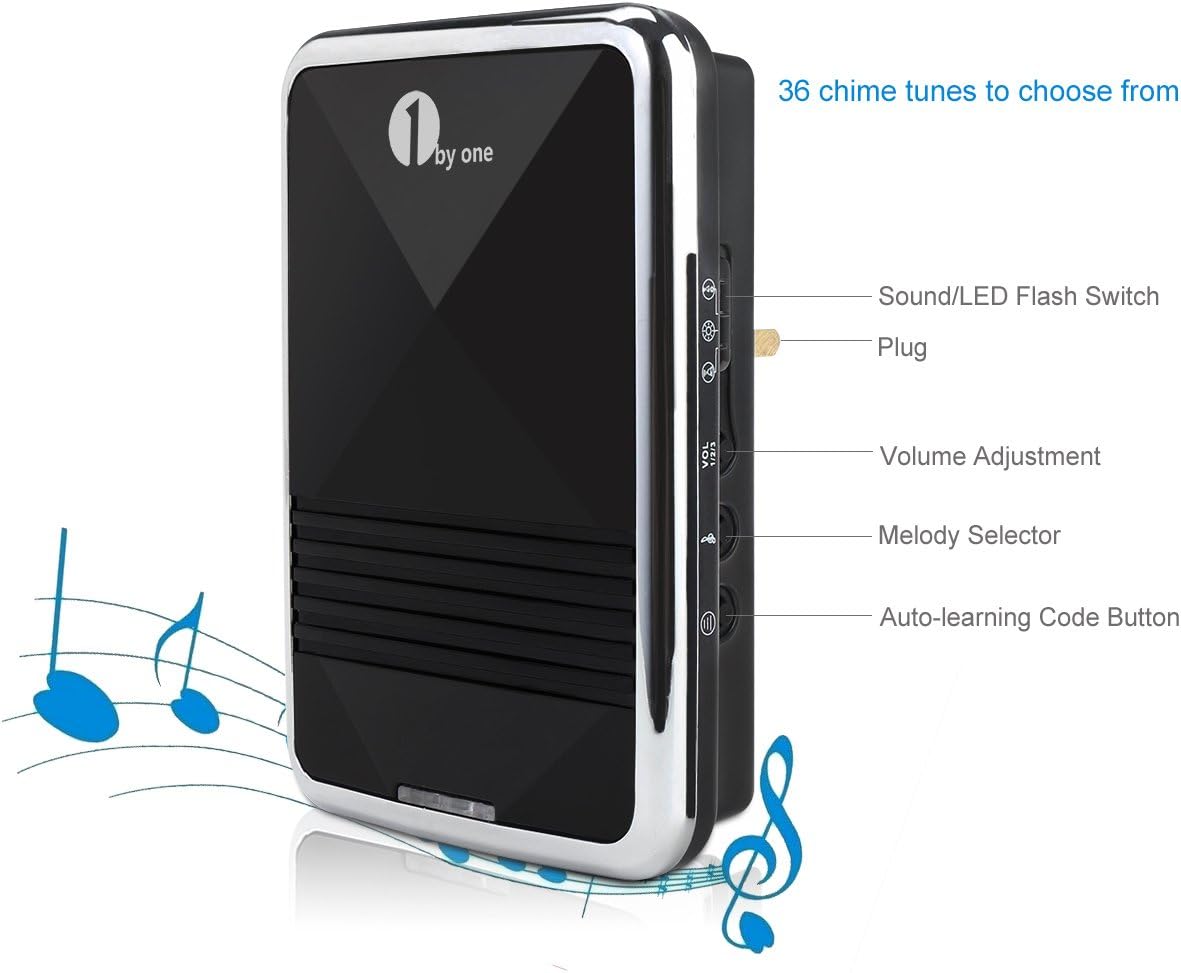
Figure 4.1: Receiver Controls and Features
- Sound/LED Flash Switch: Toggles between sound only, LED flash only, or sound and LED flash modes.
- Pulọọgi: For connecting to a standard electrical outlet.
- Atunse iwọn didun: Cycles through three volume levels (low, medium, high).
- Melody Selector: Cycles through the 36 available chime melodies.
- Auto-learning Code Button: Used for pairing the receiver with a push button.
4.2. Wireless Push Button
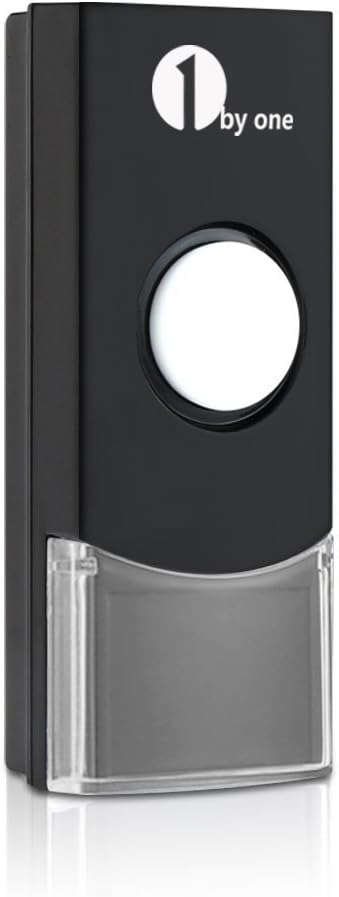
Figure 4.2: Wireless Push Button
- Bọtini Titari: Activates the doorbell chime.
- Atọka LED: Illuminates when the button is pressed, confirming signal transmission.
- Abala Batiri: Located on the back, houses the AAA battery.
5. Eto
5.1. Installing the Push Button
- Fifi sori batiri: The push button comes with a pre-installed AAA battery. If replacement is needed, carefully open the back cover to access the battery compartment. Ensure correct polarity.
- Ibi Igbesoke: Choose a flat, vertical surface near your door. Ensure the location is easily accessible to visitors and within the wireless range of your receivers.
- Awọn aṣayan iṣagbesori:
- Teepu Almora: Peel off the protective film from the included double-sided adhesive tape and firmly press the push button onto the desired surface for at least 30 seconds.
- Awọn skru: Use the provided screws and wall anchors to securely fasten the push button to the wall. It is recommended to apply a small amount of silicone sealant around the screw holes on the back of the button to enhance weather resistance.
5.2. Installing the Receivers
- Select a standard electrical outlet in a central location within your home or in areas where you wish to hear the chime.
- Plug the receiver directly into the electrical outlet. The receiver will power on.
- Repeat for the second receiver in another desired location.
5.3. Pairing the Push Button with Receivers (Auto-Learning)
The push button and receivers are typically pre-paired at the factory. If they do not work out of the box, or if you wish to add additional push buttons/receivers, follow these steps:
- Pulọọgi olugba sinu itanna iṣan.
- Tẹ mọlẹ Bọtini koodu ẹkọ-laifọwọyi on the receiver for approximately 5 seconds until the receiver emits a 'ding' sound and its LED indicator flashes. This indicates it is in pairing mode.
- Immediately press the wireless push button. The receiver will chime, confirming successful pairing.
- Test the pairing by pressing the push button. The receiver should chime.
- Repeat this process for any additional receivers you wish to pair with the same push button.
6. Isẹ
6.1. Awọn orin aladun iyipada
To select a different melody:
- Tẹ awọn Aladun Selector button on the side of the receiver. Each press will cycle to the next available melody.
- Duro titẹ nigbati o ba gbọ orin aladun ti o fẹ. Orin aladun ti o yan yoo wa ni fipamọ.
6.2. Siṣàtúnṣe iwọn didun
To change the volume level:
- Tẹ awọn Atunse iwọn didun button on the side of the receiver. Each press will cycle through the three available volume levels (low, medium, high).
- Yan ipele iwọn didun ti o baamu agbegbe rẹ julọ.
6.3. Sound and LED Flash Modes
To switch between notification modes:
- Lo awọn Sound/LED Flash Switch on the side of the receiver.
- Toggle the switch to select sound only, LED flash only, or both sound and LED flash.
7. Itọju
7.1. Rírọ́pò Bọ́tìnì Títẹ̀
When the push button's LED indicator no longer illuminates or the signal becomes unreliable, it's time to replace the battery.
- Carefully open the back cover of the push button. Note that the cover may be tight to ensure weather resistance.
- Remove the old AAA battery.
- Insert a new AAA battery, ensuring correct positive (+) and negative (-) polarity.
- Pa ideri ẹhin mọ ni aabo.
- Test the push button with the receivers to confirm functionality.
7.2. Ninu
To clean the doorbell components, use a soft, dry cloth. Do not use abrasive cleaners, solvents, or immerse any part in water.
8. Laasigbotitusita
| Isoro | Owun to le Fa | Ojutu |
|---|---|---|
| Receiver does not chime. | Olugba ko ṣiṣẹ. Push button battery low/dead. Ko so pọ. Kosi ibiti o wa. | Rii daju pe olugba naa ti sopọ mọ iho ifiwe kan. Replace push button battery. Re-pair the push button and receiver (Section 5.3). Move receiver closer to push button. |
| Doorbell chimes randomly. | kikọlu lati awọn ẹrọ alailowaya miiran. Àwọn ohun tó ń fa àyíká. | Re-pair the push button and receiver to reset the code (Section 5.3). Ensure no other strong radio frequency devices are directly adjacent to the doorbell components. |
| Receiver loses pairing after power cut. | Temporary power interruption. | Re-pair the push button and receiver (Section 5.3). |
| Push button difficult to open for battery replacement. | Tight seal for weather protection. | Use a small, flat tool to gently pry open the cover. Exercise caution to avoid damage. |
| Sound quality not as expected. | Subjective perception. Speaker limitations. | While the system offers 36 melodies, sound quality can vary. Ensure volume is set appropriately. |
9. Awọn pato
| Ẹya ara ẹrọ | Ẹ̀kúnrẹ́rẹ́ |
|---|---|
| Orukọ awoṣe | OUSQH-0535 |
| Brand | 1nipasẹ |
| Àwọ̀ | Dudu |
| Ohun elo | Metal (components may include plastic) |
| Alailowaya Ibiti | Titi de awọn mita 100 (300 ẹsẹ) |
| Awọn orin aladun | 36 yiyan |
| Awọn ipele iwọn didun | 3 (25dB sí 85dB) |
| Titari bọtini Rating | IP44 (abo oju ojo) |
| Batiri Titari Bọtini | 1 x AAA (pẹlu) |
| Agbara olugba | AC Plug-in (Voltage: 12V, Power Consumption: <5W) |
| Iwọn Nkan | Nǹkan bí 7.8 ounces (0.49 Pounds) |
| Ọja Mefa | Receivers: 4.72 x 3.15 x 4.72 inches Push Button: 3.42 x 1.38 inches (approx.) |
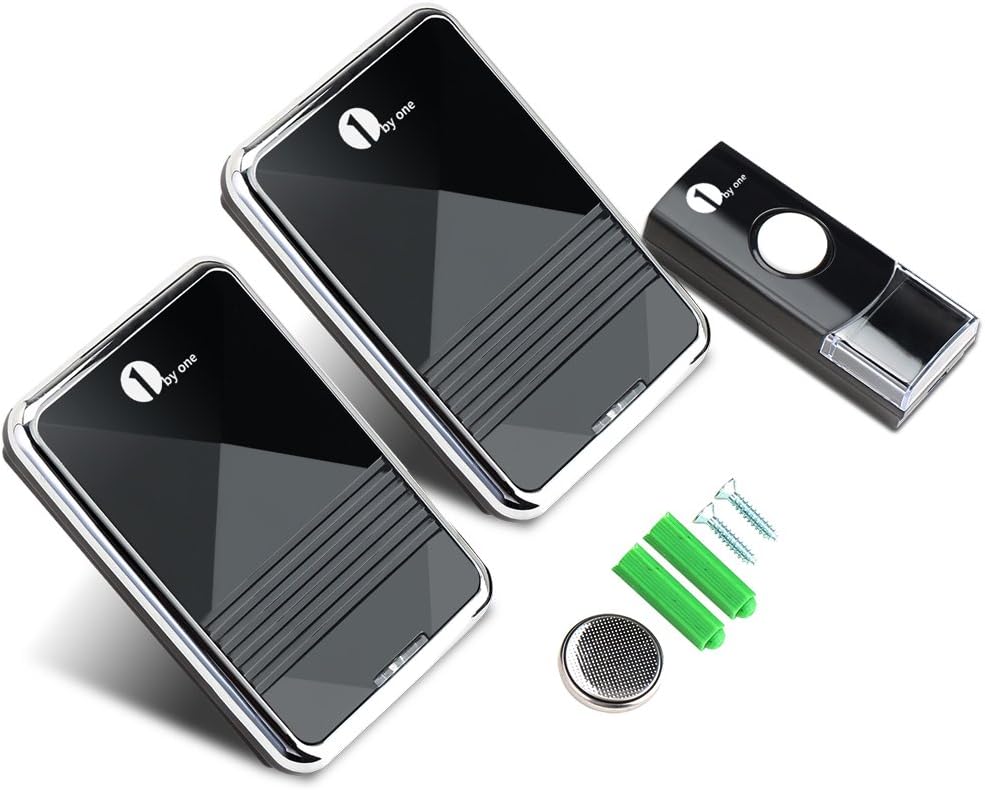
olusin 9.1: Awọn iwọn Ọja
10. Alaye Aabo
- Do not expose the push button to extreme temperatures or direct sunlight for prolonged periods.
- Ensure receivers are plugged into easily accessible outlets for quick disconnection if needed.
- Do not attempt to disassemble or repair the product yourself. Refer all servicing to qualified personnel.
- Pa awọn batiri mọ kuro lọwọ awọn ọmọde. Pa awọn batiri ti a ti lo mọ kuro ni ibamu si awọn ofin agbegbe.
- Avoid placing receivers near strong electromagnetic fields, which may interfere with operation.
11. Atilẹyin ọja ati Support
For warranty information or technical support, please contact 1byone customer service through their official website or the retailer where the product was purchased. Please have your model number (OUSQH-0535) and purchase details ready.


