1. Ọja Ipariview
The Jansite Motorcycle TPMS (Tire Pressure Monitoring System) M2 is designed to enhance riding safety by providing real-time monitoring of your motorcycle's tire pressure and temperature. This system features an LCD display, external sensors, and multiple alarm functions to alert you to potential tire issues.
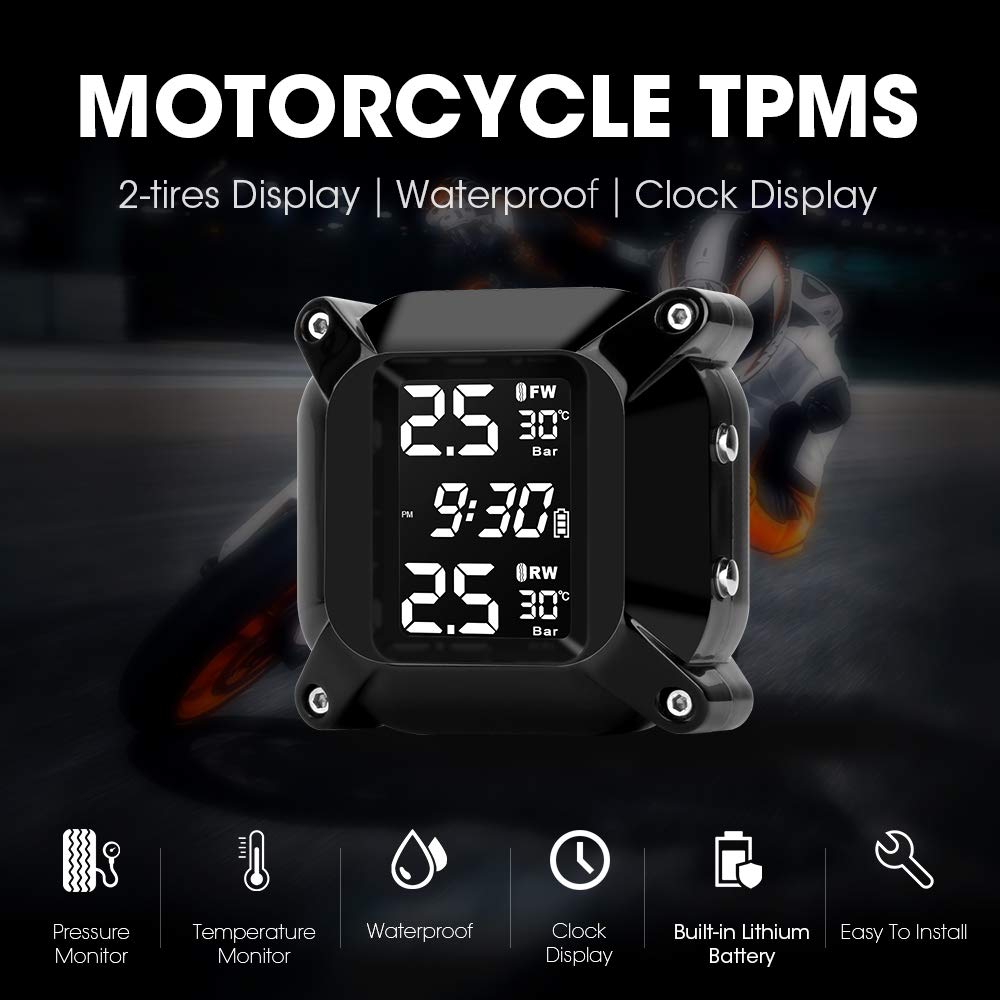
Image 1.1: Jansite Motorcycle TPMS M2 display unit and key features.
Awọn ẹya pataki:
- Abojuto gidi-akoko: Displays tire pressure and temperature simultaneously.
- Ifihan oni-nọmba LCD: Clear and compact screen for easy readability.
- Adjustable Alarm Values: Customizable pressure alarm thresholds for various motorcycle models.
- Multiple Alarm Modes: Includes alarms for air leakage, low/high pressure, high temperature, sensor low battery, no signal, and receiver low battery.
- Ngba agbara USB oofa: Convenient charging for the display unit.
- Waterproof and Dustproof Sensors: Designed for use in all weather conditions.
- Apẹrẹ Anti-ole: External sensors include an anti-theft nut.
- Àwọn Ẹ̀yà Tí A Lè Yí Padà: Pressure units (Psi/Bar) and temperature units (°C/°F) are switchable.
2. Package Awọn akoonu
Ṣaaju fifi sori ẹrọ, jọwọ rii daju pe gbogbo awọn paati wa ninu package:

Image 2.1: Jansite Motorcycle TPMS M2 package contents.
- 1 x TPMS Display Unit
- 2 x External Sensors (Front Wheel 'FW' and Rear Wheel 'RW')
- 1 x Atọka iṣagbesori
- 1 x Okun Ngba agbara USB
- 2 x Anti-theft Nuts
- 1 x Wrench
3. Eto ati fifi sori
3.1 Display Unit Installation
- Attach the mounting bracket to your motorcycle's handlebar or a suitable location using the provided hardware.
- Secure the TPMS display unit onto the mounting bracket.
- Ensure the display unit is positioned for clear visibility during riding.
3.2 External Sensor Installation
Follow these steps to install the external sensors on your motorcycle tires:

Image 3.1: Schematic diagram of external sensor installation.
- Yọ Fila Valve kuro: Unscrew the original valve cap from the tire valve stem.
- Install Anti-theft Nut: Screw the hexagonal anti-theft nut onto the valve stem. Do not tighten it yet.
- Install Sensor: Screw the corresponding sensor (FW for front, RW for rear) onto the valve stem. Ensure it is hand-tight.
- Secure Sensor: Use the provided wrench to tighten the anti-theft nut against the sensor. This secures the sensor and prevents theft.
- Ṣayẹwo fun Leaks: Apply soapy water around the valve stem and sensor connection to check for any air leaks. If bubbles appear, re-tighten the sensor and nut.
Akiyesi: Ensure the correct sensor (FW/RW) is installed on the corresponding tire. Incorrect placement may lead to inaccurate readings.
4. Awọn ilana Iṣiṣẹ
4.1 Titan / Pa a
- Press and hold the "Power/Selec" button (usually the top button on the side) to turn the display unit on or off.
4.2 Alaye Ifihan

Image 4.1: Real-time monitoring display of the TPMS unit.
Iboju LCD ṣe afihan alaye wọnyi:
- Front Wheel (FW) Pressure and Temperature
- Rear Wheel (RW) Pressure and Temperature
- Akoko lọwọlọwọ
- Battery Level Indicator for the display unit
4.3 Setting Parameters (Pressure/Temperature Units, Alarm Values)
Use the "Menu" button (usually the bottom button on the side) to enter the settings menu. Use the "Power/Selec" button to navigate through options and adjust values.
- Tẹ Akojọ aṣyn: Press and hold the "Menu" button until the settings interface appears.
- Lilọ kiri Awọn aṣayan: Short press the "Menu" button to cycle through different settings (e.g., pressure unit, temperature unit, high pressure alarm, low pressure alarm, high temperature alarm).
- Ṣatunṣe Awọn iye: When an option is selected, short press the "Power/Selec" button to change the value.
- Fipamọ ati Jade: Press and hold the "Menu" button again to save your settings and exit the menu.
Default Alarm Values: Refer to your motorcycle's manual for recommended tire pressures. Adjust the alarm thresholds accordingly.
4.4 Awọn iṣẹ itaniji
The system provides visual and audible alerts for the following conditions:
- Air Leakage Alarm: Rapid pressure drop.
- Itaniji Titẹ Kekere: Tire pressure falls below the set low threshold.
- Itaniji Titẹ giga: Tire pressure exceeds the set high threshold.
- Itaniji iwọn otutu giga: Tire temperature exceeds the set high threshold.
- Sensor Low Battery Alarm: Indicates a low battery in one of the external sensors.
- No Signal Alarm: Loss of communication with a sensor.
- Receiver Low Battery Alarm: Indicates a low battery in the display unit.
When an alarm is triggered, the display will flash the affected parameter, and an audible alert will sound. Address the issue promptly.
5. Itọju
5.1 Charging the Display Unit
- The display unit has a built-in lithium battery. When the receiver low battery alarm activates or the battery indicator is low, connect the unit to a USB power source using the provided magnetic USB charging cable.
- Gbigba agbara ni kikun maa n gba wakati diẹ.
5.2 Sensọ Batiri Rirọpo
The external sensors use replaceable batteries. When a sensor low battery alarm occurs, replace the battery as follows:
Image 5.1: External sensor battery replacement diagram.
- Yọ Sensọ kuro: Use the wrench to loosen the anti-theft nut, then unscrew the sensor from the valve stem.
- Open Sensor Casing: Fara ṣii sensọ casing. Some models may require a small tool or the provided wrench to pry open.
- Remove Gasket: Remove the waterproofing gasket.
- Rọpo Batiri: Remove the old battery and insert a new CR1632 lithium coin cell battery, ensuring correct polarity.
- Ṣe atunto: Place the waterproofing gasket back correctly, then close the sensor casing.
- Tun sensọ sori ẹrọ: Reinstall the sensor onto the tire valve stem, following the installation steps in Section 3.2.
Akiyesi: Ensure the waterproofing gasket is properly seated to maintain the sensor's waterproof integrity.
5.3 Ninu
- Wipe the display unit and sensors with a soft, damp asọ. Ma ṣe lo abrasive ose tabi epo.
- Rii daju pe ibudo gbigba agbara jẹ mimọ ati ki o gbẹ ṣaaju gbigba agbara.
6. Laasigbotitusita
| Isoro | Owun to le Fa | Ojutu |
|---|---|---|
| Display unit does not power on. | Batiri kekere tabi dinku. | Charge the display unit using the USB cable. |
| No signal from sensor / Inaccurate readings. |
|
|
| Air leakage alarm. |
|
|
| Display shows incorrect time. | Time not set or reset. | Adjust the time through the settings menu (refer to Section 4.3). |
7. Awọn pato
| Paramita | Iye |
|---|---|
| Brand | Jansite |
| Nọmba awoṣe | M2 |
| Ifihan Iru | LCD Digital |
| Titẹ Sipo | Psi, Bar |
| Awọn iwọn otutu | °C, °F |
| Sensọ Iru | Ita |
| Sensọ Batiri Iru | CR1632 Lithium Coin Cell (replaceable) |
| Batiri Unit Ifihan | Built-in Lithium-ion (rechargeable via USB) |
| Mabomire Rating | Sensors are waterproof and dustproof. |
| Package Mefa | 13.8 x 13.5 x 5.2 cm |
| Iwọn Ọja | 220 giramu |
| UPC | 759337624907 |

Image 7.1: Dimensions and display layout of the TPMS unit.
8. Atilẹyin ọja ati Support
8.1 atilẹyin ọja Alaye
This Jansite TPMS M2 product comes with a 1-odun atilẹyin ọja lati ọjọ ti o ra. Atilẹyin ọja yi ni wiwa awọn abawọn iṣelọpọ ati ailagbara labẹ lilo deede.
Atilẹyin ọja naa ko ni aabo ibajẹ ti o ṣẹlẹ nipasẹ:
- Aibojumu fifi sori ẹrọ tabi lilo.
- Bibajẹ lairotẹlẹ, ilokulo, tabi ilokulo.
- Awọn atunṣe tabi awọn atunṣe laigba aṣẹ.
- Natural disasters or external causes.
8.2 Onibara Support
For any questions, technical assistance, or warranty claims, please contact Jansite customer support. Refer to your purchase documentation or the seller's contact information for the most up-to-date support channels.
When contacting support, please have your product model (M2) and purchase details ready.