1. Ifihan
This manual provides detailed instructions for the setup, operation, maintenance, and troubleshooting of your Tascam US-2x2HR USB Audio Interface. The US-2x2HR is a versatile 2-in/2-out high-resolution audio/MIDI interface designed for recording, streaming, podcasting, and music creation.
2. Key Awọn ẹya ara ẹrọ
- 2-in/2-out USB Audio Interface: Connect two inputs and two outputs for flexible recording and playback.
- Ohun Opin Giga: Supports audio formats up to 24-bit/192 kHz for pristine sound quality.
- Ultra-HDDA Mic Preamps: Equipped with two combo (XLR) inputs featuring Ultra-HDDA mic preamps and +48V phantom power for condenser microphones.
- Awọn igbewọle Wapọ: Two combo (TRS) line inputs with guitar input support for direct instrument connection.
- Awakọ Latency Kekere: Improved TASCAM driver with selectable buffer size (from 4 samples on Windows) for stable, low-latency performance.
- Abojuto Taara Alairi-odo: Allows real-time monitoring of input signals before they reach the computer, eliminating latency during recording.
- MIDI SINU/ODE: Integrated MIDI input and output for connecting MIDI keyboards, drum machines, and other controllers.
- Stereo/Mono Selectable Loopback Function: Enables internal routing of audio for streaming and podcasting applications.
- Isopọ Iru-C USB: Modern and reliable connectivity to your computer or compatible iOS device.
- Robust Metal Casing: Durable metal construction with aluminum side panels ensures stability and longevity.
- Àkójọ sọ́fítíwètì: Includes Cubase LE, Sample Tank 4 SE, and a 3-month Auto-Tune Unlimited subscription.
3. Eto Itọsọna
3.1 Unpacking ati Ibẹrẹ ayewo
Carefully remove the US-2x2HR from its packaging. Verify that all components are present and undamaged. Retain the packaging for future transport or storage.
3.2 Driver fifi sori
Before connecting the US-2x2HR to your computer, download and install the latest drivers from the official Tascam website. This ensures optimal performance and compatibility with your operating system (Windows/macOS). For Windows users, the TASCAM native driver offers selectable buffer sizes for low-latency operation.
3.3 Nsopọ si Kọmputa Rẹ
Connect the US-2x2HR to your computer using the supplied USB Type-C cable. The interface is bus-powered, meaning it draws power directly from the USB connection. For iOS devices (iPad/iPhone), an optional battery pack or AC adapter may be required for power.

Figure 3.3.1: Connecting the USB Type-C cable to the interface.
3.4 Nsopọ Microphones ati Instruments
The US-2x2HR features two combo inputs (IN1 and IN2) on the front panel, which accept both XLR and 1/4-inch TRS/TS connectors.
- Awọn igbewọle XLR: Use XLR cables for microphones. If using condenser microphones, activate the +48V phantom power switch located on the front panel.
- 1/4-inch TRS/TS Inputs: Use 1/4-inch cables for line-level instruments (keyboards, drum machines) or guitars. Use the MIC/LINE/INST switch to select the appropriate input type. Set to 'INST' for guitars and basses.
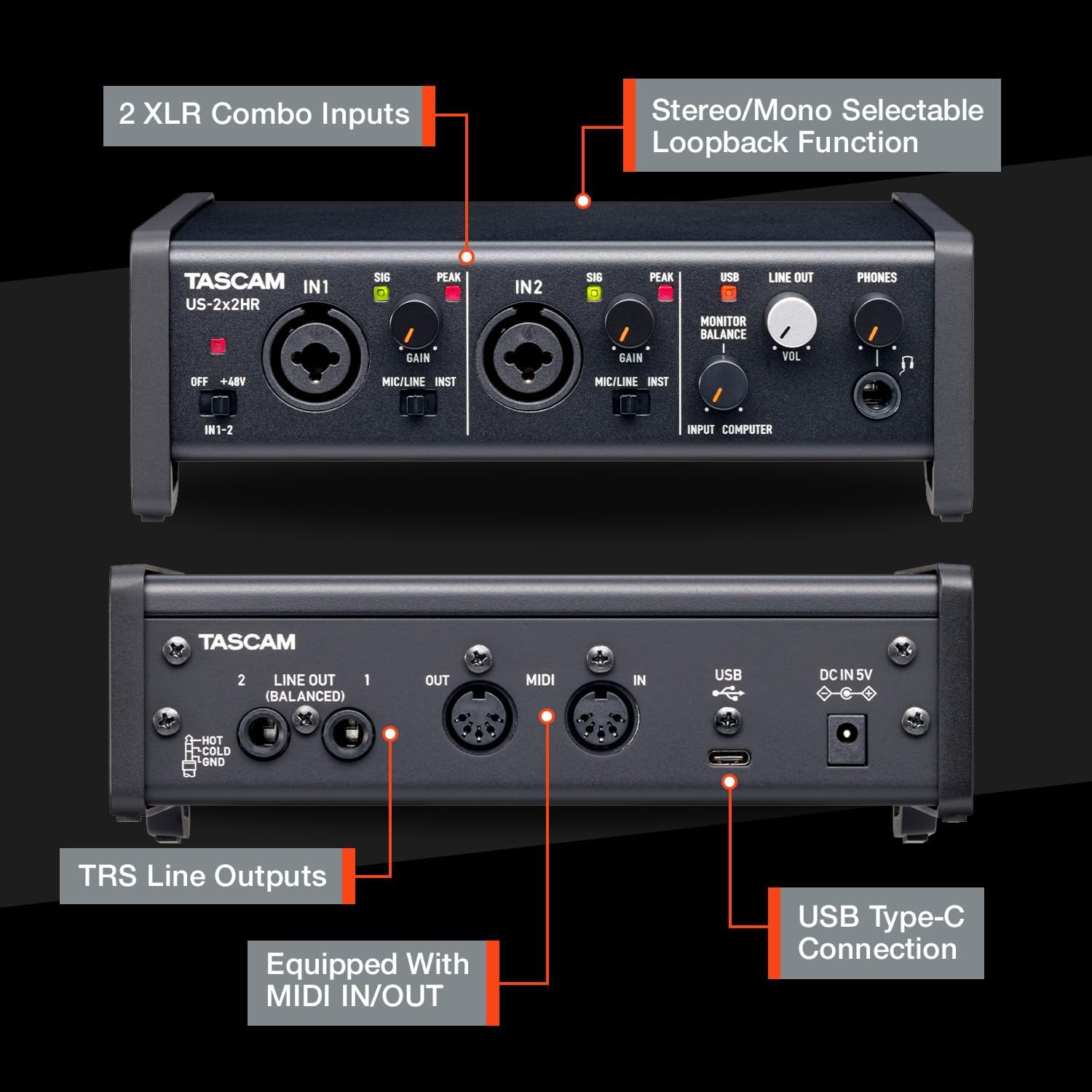
Figure 3.4.1: Front and rear panel connections and controls.
3.5 So Àwọn Agbọ́rọ̀ àti Àwọn Àwòrán Mọ́
- Agbekọri: Plug your headphones into the 1/4-inch PHONES jack on the front panel. Adjust the headphone volume using the VOL knob.
- Studio Monitors: Connect your active studio monitors to the LINE OUT (BALANCED) TRS jacks on the rear panel.

Figure 3.5.1: Rear panel connections including balanced line outputs and MIDI ports.
3.6 MIDI Awọn isopọ
The US-2x2HR includes MIDI IN and OUT ports on the rear panel. Use standard 5-pin DIN MIDI cables to connect external MIDI devices such as keyboards, synthesizers, or drum machines. This allows for synchronization and control of your MIDI equipment.

Figure 3.6.1: MIDI IN/OUT ports for connecting external MIDI devices.
4. Awọn ilana Iṣiṣẹ
4.1 Input Gain Adjustment
Use the GAIN knobs for IN1 and IN2 to adjust the input level of your microphones or instruments. The SIG (Signal) indicator will light up when an input signal is detected, and the PEAK indicator will light up if the signal is too high, indicating potential clipping. Adjust the gain to achieve a strong signal without peaking.
4.2 Agbara Phantom (+48V)
The +48V switch activates phantom power for condenser microphones connected to the XLR inputs. Ensure this is only enabled when using microphones that require phantom power. Turn off phantom power when connecting dynamic microphones or line-level devices.
4.3 Àbójútó Taara
The US-2x2HR features a direct monitoring function to eliminate latency during recording. This allows you to hear your input signal directly through the interface without going through your computer's software. Use the MONITOR BALANCE knob to blend between the input signal (INPUT) and the computer playback (COMPUTER) in your headphones or monitors.

Figure 4.3.1: Comparison of normal and zero-latency direct monitoring routes.
4.4 Loopback Function
The loopback function allows you to record or stream the audio output from your computer along with your live input signals. This is particularly useful for podcasts, live streams, and online collaborations. The loopback function can be set to stereo or mono via the Tascam driver settings panel.

Figure 4.4.1: Tascam driver settings panel for configuring buffer size and loopback.
4.5 Software Usage
The US-2x2HR comes bundled with professional software including Cubase LE, Sample Tank 4 SE, and a 3-month Auto-Tune Unlimited subscription. Install these applications on your computer to begin recording, mixing, and processing your audio. Refer to the individual software manuals for detailed usage instructions.

Figure 4.5.1: Bundled software for recording and production.
5. Itọju
To ensure the longevity and optimal performance of your Tascam US-2x2HR, follow these maintenance guidelines:
- Ninu: Use a soft, dry cloth to clean the exterior of the unit. Avoid abrasive cleaners, solvents, or waxes. Do not allow liquids to enter the unit.
- Ibi ipamọ: Tí o kò bá lò ó, tọ́jú ojú ibi tí ó tutù, tí ó sì gbẹ, kí oòrùn má baà tàn án tàbí ooru tó le koko.
- Iṣakoso USB: Avoid excessive bending or pulling of cables. Ensure connections are secure but not overly tight.
- Awọn imudojuiwọn famuwia: Periodically check the Tascam website for any available firmware updates for your device. Follow the instructions provided by Tascam for safe updating.
6. Laasigbotitusita
If you encounter issues with your US-2x2HR, refer to the following common troubleshooting steps:
- No Power/No Connection:
- Ensure the USB cable is securely connected to both the interface and your computer.
- Gbiyanju ibudo USB ti o yatọ lori kọnputa rẹ.
- Ti o ba nlo ibudo USB, gbiyanju lati sopọ taara si kọnputa naa.
- Verify that the correct drivers are installed and recognized by your operating system.
- Ko si ohun igbewọle:
- Check that the input source (microphone, instrument) is properly connected and powered on.
- Adjust the GAIN knob for the corresponding input.
- Ensure the MIC/LINE/INST switch is set correctly for your input source.
- If using a condenser microphone, verify that +48V phantom power is enabled.
- Check your Digital Audio Workstation (DAW) or recording software settings to ensure the US-2x2HR is selected as the input device and the correct input channel is armed.
- Ko si Ijade ohun:
- Check headphone and monitor connections.
- Adjust the PHONES VOL knob and the MONITOR BALANCE knob.
- Ensure your computer's sound output is directed to the US-2x2HR.
- Verify that your DAW or playback software is routing audio to the US-2x2HR outputs.
- Aiduro giga:
- Ensure the latest Tascam drivers are installed.
- Adjust the buffer size in the Tascam driver settings panel (lower buffer size reduces latency but requires more CPU power).
- Utilize the direct monitoring function to bypass software latency for input signals.
- Unexpected Phantom Power Behavior:
- Some users have reported that phantom power may be active on startup even if the switch is in the OFF position. If you experience this, toggle the +48V switch ON and then OFF again to ensure it is disengaged, especially when using sensitive equipment like ribbon microphones.
7. Awọn pato
| Iwọn Nkan | 1 iwon |
| Ọja Mefa | 8 x 8 x 4 inches |
| Nọmba Awoṣe Nkan | US2X2HR |
| Orukọ awọ | Dudu |
| Awọn ẹrọ ibaramu | Personal Computer, iOS Devices (with optional power) |
| Ni wiwo Hardware | USB |
| Software atilẹyin | TASCAM, Cubase LE, Sample Tank 4 SE, Auto-Tune Unlimited |
| Mixer ikanni opoiye | 2 |
| Eto isesise | Windows, macOS, iOS |
| Asopọmọra Technology | USB |
| Nọmba ti awọn ikanni | 2 |
| Ipinnu ohun | Up to 24-bit/192 kHz |
8. atilẹyin ọja Information
The Tascam US-2x2HR is covered by a manufacturer's warranty. Please refer to the warranty card included with your product or visit the official Tascam webAaye fun alaye awọn ofin ati ipo nipa atilẹyin ọja, iye akoko, ati ilana iṣẹ.
9. Atilẹyin
For technical assistance, driver downloads, firmware updates, or further inquiries, please visit the official Tascam support webAaye ayelujara. O tun le ri awọn ibeere ti a beere nigbagbogbo ati alaye olubasọrọ fun iṣẹ alabara nibẹ.
Official Tascam Webojula: tascam.com


