1. Ifihan
This manual provides detailed instructions for the Apera Instruments GroStar Series GS3 EC/ppm Pen Tester Kit (AI103G). This lab-grade conductivity meter is designed for accurate measurement of EC (Electrical Conductivity), 500ppm, and 700ppm, along with temperature, making it suitable for hydroponics and general water quality testing. The device features a replaceable titanium conductivity sensor and a user-friendly interface.
2. Ọja Ipariview
The GroStar Series GS3 EC/ppm Pen Tester is engineered for reliability and ease of use. Key features include:
- Measures conductivity (EC), 500ppm, 700ppm, and temperature.
- Replaceable titanium sensor for high accuracy in the 0 to 10 EC range.
- Backlit HD screen for clear readings.
- Grower-friendly calibration workflow with a calibration reminder function.

Figure 1: Apera Instruments GroStar Series GS3 EC/ppm Pen Tester.
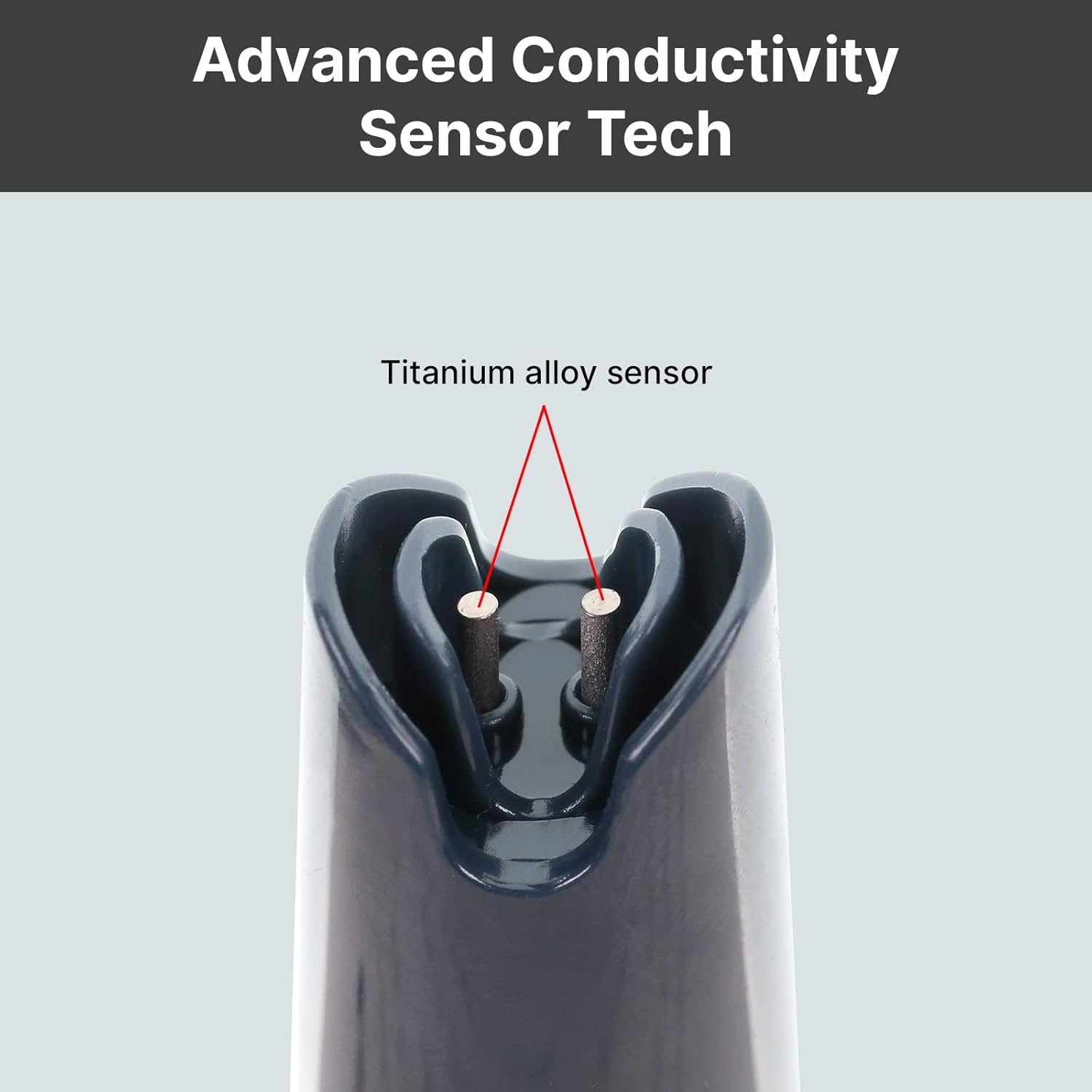
olusin 2: Isunmọ view of the durable titanium alloy sensor for conductivity measurements.
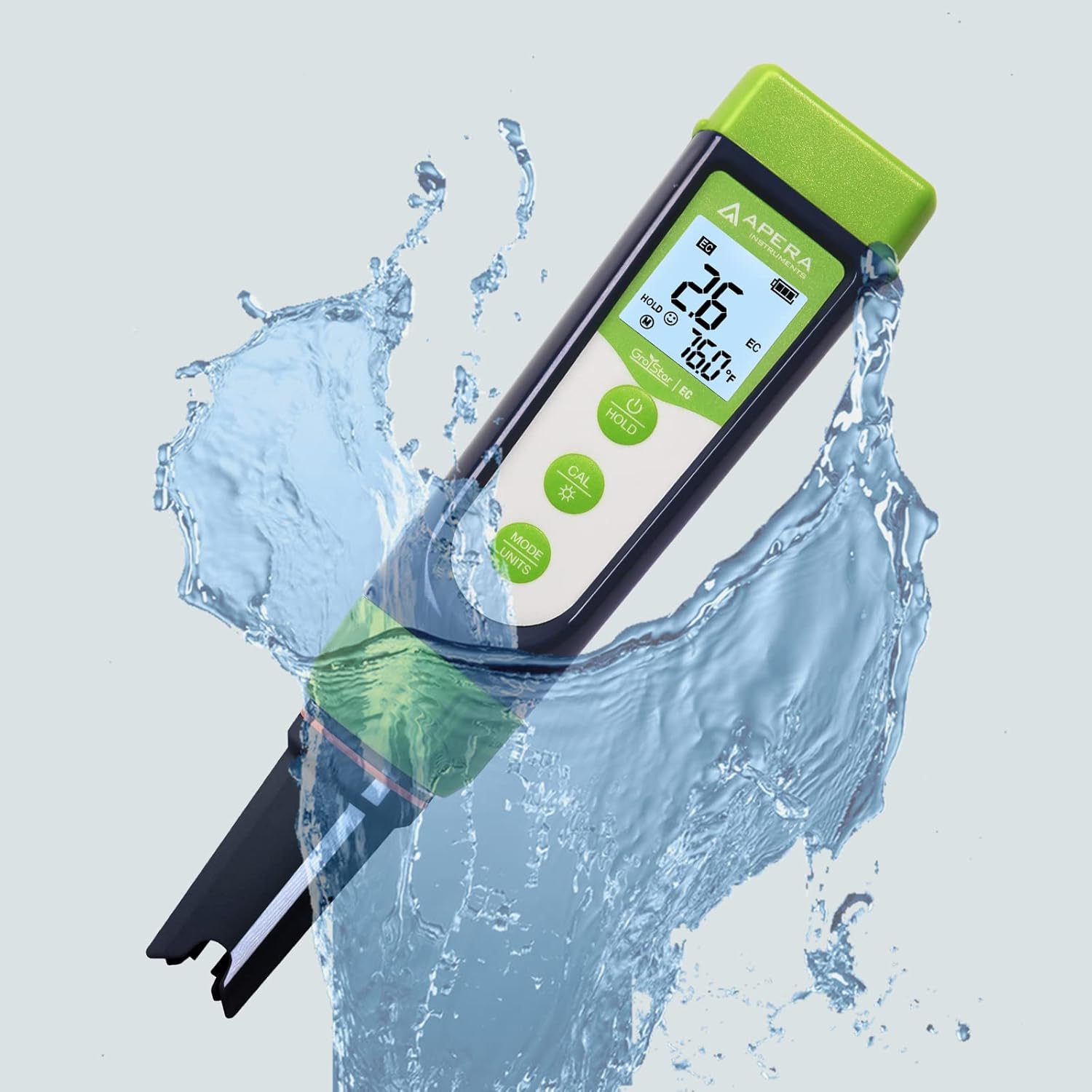
Figure 3: The GroStar GS3 Pen Tester demonstrating its water resistance during use.
3. Eto
Before first use, ensure all components are present and the device is ready for operation.
3.1 Kini ni Apoti
- Apera Instruments GroStar Series GS3 EC/ppm Pen Tester (Gen II)
- 2.77 EC Calibration Solution
- Lanyard
- 4 AAA batteries (pre-installed or included separately)

Figure 4: The complete kit contents, including the tester, calibration solution, and lanyard.
3.2 Fifi sori batiri
The device requires 4 AAA batteries. If not pre-installed, open the battery compartment located at the top of the tester, insert the batteries according to the polarity indicators, and securely close the compartment.
3.3 Igbaradi akọkọ
- Yọ ideri aabo kuro lati sensọ.
- Rinse the sensor with distilled or deionized water.
- Gently shake off excess water.
4. Awọn ilana Iṣiṣẹ
4.1 Agbara Tan / Pa
Tẹ awọn AGBARA button to turn the tester on or off.
4.2 Gbigba Idiwon
- Ensure the tester is clean and calibrated.
- Fi sensọ bọ inu sample solution, ensuring the sensor is fully submerged.
- Mu rọra duro de kika lati duro lori ifihan.
- The display will show EC/ppm and temperature readings.
4.3 Switching Measurement Modes (EC/ppm)
Tẹ awọn MODE/UNITS button to cycle through EC, 500ppm, and 700ppm measurement modes.

Figure 5: The tester's display cycling through different measurement units.
4.4 idaduro Išė
Tẹ awọn DIMU bọ́tìnì láti dì kíkà tó wà lórí ìbòjú náà. Tẹ̀ lẹ́ẹ̀kan síi láti tú u sílẹ̀.
4.5 TruRead Display
The TruRead display provides MAX, AVG, and MIN readings, offering a comprehensive view of your measurements.

Figure 6: The TruRead display feature, showing maximum, average, and minimum recorded values.
5. Iṣatunṣe
Regular calibration ensures accurate measurements. The GS3 features a grower-friendly calibration workflow and a reminder function.
5.1 Ilana isọdọtun
- Tan ẹrọ idanwo.
- Tẹ awọn CAL button to enter calibration mode.
- Immerse the sensor into the 2.77 EC calibration solution.
- The tester will automatically recognize the solution and calibrate. Wait for the stable reading and confirmation.
- Rinse the sensor with distilled water after calibration.

Figure 7: Visual representation of the tester's display in measurement, calibration, and error states.
5.2 Calibration Reminder
The tester will automatically remind you when recalibration is due, ensuring consistent accuracy.
6. Itọju
6.1 Ninu sensọ
After each use, rinse the sensor thoroughly with distilled or deionized water to prevent residue buildup. Do not scrub the sensor vigorously.
6.2 Ibi ipamọ
Always replace the protective cap after use. For long-term storage, ensure the sensor is kept moist. Refer to the product packaging or Apera Instruments website for specific storage solution recommendations if applicable.
6.3 Rirọpo Sensọ
The titanium EC sensor is replaceable. If the sensor performance degrades significantly or it becomes damaged, a new sensor can be purchased and easily installed by twisting off the old one and attaching the new one.
7. Laasigbotitusita
| Isoro | Owun to le Fa | Ojutu |
|---|---|---|
| Awọn kika ti ko pe | Sensor is dirty or dry; Calibration is outdated or incorrect; Damaged sensor. | Clean the sensor; Recalibrate the tester; Replace the sensor if damaged. |
| Tester does not power on | Àwọn bátìrì tí ó ti kú; Fífi bátìrì tí kò tọ́ sí. | Rọpo awọn batiri; Ṣayẹwo polarity batiri. |
| "CAL Er" error during calibration | Incorrect calibration solution; Contaminated solution; Sensor issue. | Ensure correct 2.77 EC solution is used; Use fresh calibration solution; Clean or replace sensor. |
8. Awọn pato
- Nọmba awoṣe: AI103G
- Awọn iwọn ọja: 7 x 1.5 x 1.3 inches
- Ìwúwo: 4.69 iwon
- Orisun Agbara: Awọn batiri AAA 4 (pẹlu)
- Orisi sensọ: Replaceable Titanium EC Probe
- Awọn Iwọn Iwọn: EC, 500ppm, 700ppm, Temperature
- Ọjọ akọkọ ti o wa: Oṣu Kẹsan Ọjọ 28, Ọdun 2022
9. Atilẹyin ọja ati Support
Apera Instruments products are backed by a manufacturer's warranty. For detailed warranty information, technical support, or to purchase replacement parts, please visit the official Apera Instruments webojula tabi kan si wọn onibara iṣẹ taara. Tọju iwe-ẹri rira rẹ fun awọn ẹtọ atilẹyin ọja.
Olupese: Apera Instruments


