1. Ọja Ipariview
The Waveshare Industrial Grade Serial Server is a versatile device data acquisitor and IoT gateway designed for robust industrial environments. It integrates multiple functionalities including a serial server, Modbus gateway, MQTT gateway, and serial port to HTTPD Client. Equipped with RS232, RS485, WiFi, and Ethernet interfaces, this module facilitates seamless communication such as serial port to WiFi, serial port to Ethernet, and Ethernet to WiFi.
Awọn ẹya pataki pẹlu:
- Multi-functional Integration: Combines serial server, Modbus gateway, MQTT gateway, and serial port to HTTPD Client.
- Asopọmọra Rọ: Supports RS232, RS485, WiFi, and Ethernet interfaces for diverse application scenarios.
- Iṣagbewọle Agbara nla: Onboard multiple power supply interfaces supporting 6~36V wide range power supply, with optional PoE function.
- Apẹrẹ Ipele Ile-iṣẹ: Features a durable metal case, supporting both wall-mount and rail-mount installations for easy integration into industrial setups.
- Awọn ohun elo: Ideal for data acquisition, IoT gateway solutions, safety & security IoT, and intelligent instrument monitoring.

Figure 1: Waveshare Industrial Grade Serial Server
2. Akoonu Package
Daju pe gbogbo awọn ohun ti a ṣe akojọ rẹ si isalẹ wa ninu package rẹ. Ti awọn ohun kan ba nsọnu tabi bajẹ, jọwọ kan si ataja rẹ.

Nọmba 2: Awọn akoonu Package
- Waveshare Industrial Grade Serial Server Unit
- Eriali WiFi
- Wall-mount/Rail-mount Bracket
- Screwdriver
- Awọn skru iṣagbesori (4x)
Note: The power supply is not included. A 12V power adapter is recommended for use if not utilizing PoE.
3. Awọn pato
Detailed technical specifications for the Waveshare Industrial Grade Serial Server.

Àwòrán 3: Àwọn Àlàyé Ọjà Lóríview
| Ẹya ara ẹrọ | Ẹ̀kúnrẹ́rẹ́ |
|---|---|
| Nọmba awoṣe | RS232/485 TO W-FI POE ETH (B) |
| Brand | Waveshare |
| Tẹlentẹle Awọn atọkun | RS232, RS485 |
| Awọn atọkun Nẹtiwọọki | WiFi (802.11n), Ethernet (10/100 Mbps) |
| Agbara Input | DC 6~36V (Screw Terminal or DC 5.5 port), PoE (802.3af standard) |
| Awọn ọna ṣiṣe | Serial Server, Modbus Gateway, MQTT Gateway, Serial to HTTPD Client, Transparent Transmission, AP, STA, AP+STA, Router, Bridge |
| Ṣàyẹ̀wò | 300 ~ 115200 bps |
| Awọn iwọn otutu ti nṣiṣẹ | -40°C ~ 85°C |
| Ohun elo ọran | Irin Ilọsi Iṣẹ-ẹrọ |
| Iṣagbesori Aw | Wall-mount, Rail-mount |
4. Eto Itọsọna
4.1 Fifi sori ti ara
The device supports both wall-mount and rail-mount installations. Use the provided bracket and screws to secure the unit in your desired location. Ensure adequate ventilation around the device.
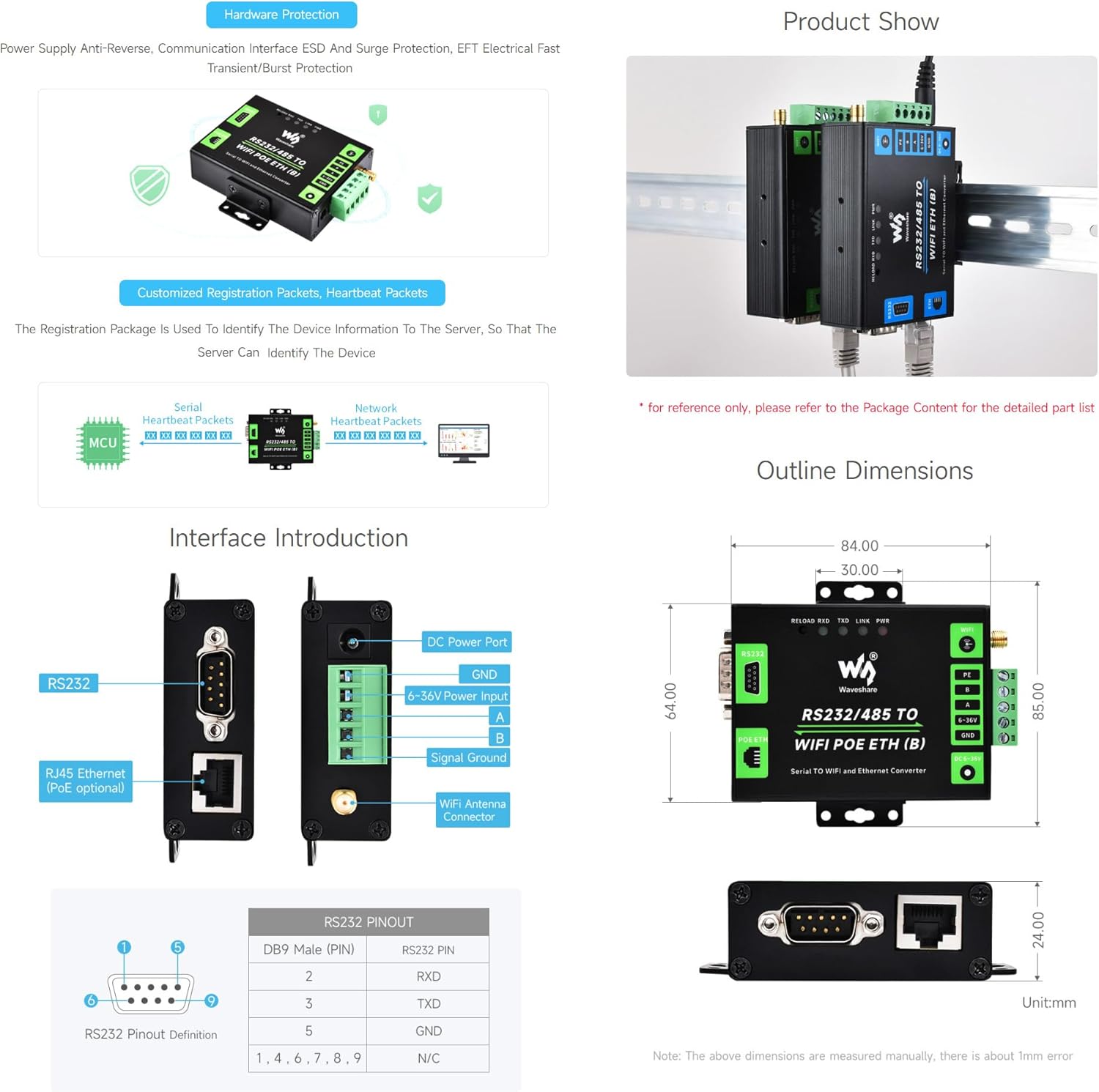
Figure 4: Interface Introduction and Dimensions
4.2 Asopọ agbara
The device offers flexible power options:
- PoE (Agbara lori Ethernet): If your network infrastructure supports 802.3af PoE, connect an Ethernet cable from a PoE-enabled switch or injector to the device's RJ45 Ethernet port. This will power the device and provide network connectivity simultaneously.
- Iṣawọle agbara DC: Alternatively, connect a DC power adapter (6~36V recommended, 12V typical) to the DC 5.5 power port or use the screw terminal for direct wiring. Ensure correct polarity when using the screw terminal (GND and 6-36V).

Figure 5: Multi Power Supply Methods
4.3 Serial Port Connection (RS232/RS485)
- GBU232: Connect your RS232 device to the DB9 male connector. Refer to the pinout diagram (Figure 4) for correct wiring.
- GBU485: Connect your RS485 device to the A and B terminals on the screw terminal block. Ensure proper A/B polarity for communication.
4.4 Network Connection (Ethernet/WiFi)
- Àjọlò: Connect an Ethernet cable from your network switch or router to the RJ45 Ethernet port.
- WiFi: Screw the provided WiFi antenna onto the SMA connector. The device can operate in various WiFi modes (AP, STA, AP+STA) which are configured via the web interface or serial commands.
5. Operating Modes and Configuration
The Waveshare Serial Server supports a variety of operating modes to suit different application needs. Configuration is primarily done via a web interface or AT commands through the serial port.
5.1 Ni ibẹrẹ Wiwọle ati iṣeto ni
Lati wọle si ẹrọ naa web ni wiwo fun iṣeto ni:
- Ensure the device is powered on and connected to your network (via Ethernet or WiFi).
- The default IP address for the WiFi interface is typically 10.10.100.254. Ensure your computer is on the same subnet for initial access.
- Ṣii a web browser and enter the device's IP address (e.g.,
http://10.10.100.254). - Log in using the default credentials (refer to the full manual or product documentation for default username/password, if any).
- Lati awọn web interface, you can configure network settings (IP address, subnet, gateway), serial port parameters (baud rate, data bits, parity, stop bits), and select the desired operating mode.
Note: Some advanced configurations or troubleshooting may require using specific software tools (e.g., SSCOM) or AT commands via a serial terminal. Refer to the manufacturer's detailed documentation for comprehensive AT command sets.
5.2 Supported Operating Modes
The device supports various modes for data transmission and network integration:
- Ipo Gbigbe Sihin: Allows direct, transparent data transfer between serial and network interfaces (TCP Server, TCP Client, UDP Server, UDP Client).
- Modbus Gateway: Converts Modbus RTU/ASCII to Modbus TCP, enabling Modbus devices to communicate over Ethernet/WiFi.
- MQTT Gateway: Facilitates communication with MQTT brokers, allowing serial data to be published to or subscribed from MQTT topics.
- Serial Port to HTTPD Client: Enables the device to send serial data to an HTTP server via HTTP POST/GET requests.
- Awọn ọna WiFi:
- Ipo AP: The device acts as an Access Point, allowing other WiFi devices to connect to it.
- Ipo STA: The device connects to an existing WiFi network as a client.
- AP+STA Mode: The device operates as both an Access Point and a client simultaneously.
- Wired + Wireless Networking Applications: Supports APLAN, APWAN, Router, and Bridge modes for complex network setups.

Figure 6: Transmission and Wireless Networking Modes
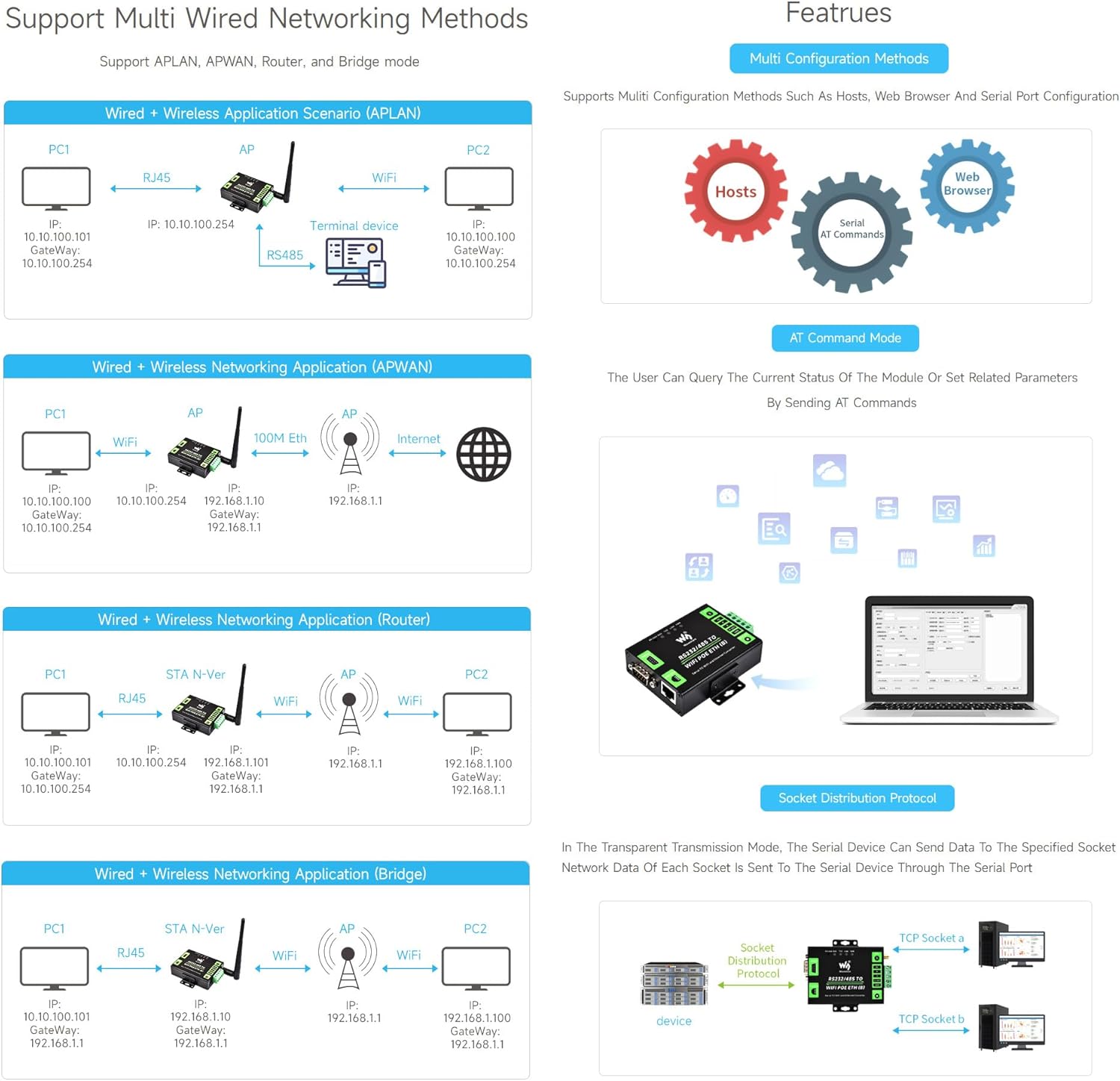
Figure 7: Wired and Wireless Networking Methods
6. Itọju
To ensure optimal performance and longevity of your Waveshare Industrial Grade Serial Server, follow these maintenance guidelines:
- Ninu: Periodically clean the device's exterior with a soft, dry cloth. Avoid using liquid cleaners or solvents.
- Awọn imudojuiwọn famuwia: Check the Waveshare official website for any available firmware updates. Keeping the firmware updated can improve performance, add new features, and resolve potential issues. Follow the provided instructions carefully when performing updates.
- Awọn ipo Ayika: Ensure the device operates within its specified temperature and humidity ranges (-40°C ~ 85°C, 5-95% relative humidity). Avoid exposing the device to excessive dust, moisture, or direct sunlight.
- Iṣakoso USB: Ensure all connected cables (serial, Ethernet, power) are securely fastened and not under strain to prevent accidental disconnections or damage.
7. Laasigbotitusita
This section addresses common issues you might encounter with the Waveshare Industrial Grade Serial Server.
| Isoro | Owun to le Fa / Solusan |
|---|---|
| Ẹrọ ti ko ni agbara lori. |
|
| Ko le wọle si web ni wiwo. |
|
| Serial communication issues. |
|
| WiFi connectivity problems. |
|
8. Atilẹyin ọja ati Support
Waveshare products typically come with a standard manufacturer's warranty. For specific warranty terms and conditions, please refer to the documentation provided with your purchase or visit the official Waveshare webojula.
For technical support, troubleshooting assistance, or to download the latest drivers and firmware, please visit the Waveshare official support page or contact their customer service directly. When contacting support, please have your product model number (RS232/485 TO W-FI POE ETH (B)) and purchase details ready.
Official Waveshare Webojula: www.waveshare.com


