1. Ọja Ipariview
The HENDI Blender is a versatile kitchen appliance designed for efficient blending of fruits and vegetables, preparing cocktails, smoothies, and even crushing ice. It features a robust design with advanced safety mechanisms and intuitive controls.

Figure 1: HENDI Blender - Main Unit
This image shows the HENDI Blender from the front, highlighting its sleek black base with an electronic touch panel and the clear 2.5-liter pitcher with its lid and tamper ni ibi.
Awọn ẹya pataki:
- Ijọpọ Alagbara: Suitable for a wide range of ingredients, including ice.
- Large Capacity Pitcher: Comes with a durable, transparent 2.5-liter polycarbonate pitcher.
- Tamper To wa: A polypropylene tamper is provided for processing denser or larger ingredients.
- Ikole ti o tọ: Features an ABS housing, polycarbonate lid, and a removable AISI 420 stainless steel blade with titanium coating.
- Atako iwọn otutu: Designed to withstand temperatures from -40°C to 90°C.
- Awọn ẹya Aabo: Equipped with overheating and electrical overload protection, and a safety locking system to prevent accidental operation without the pitcher.
- Igbimọ Iṣakoso Itanna: Easy-to-use touch panel with 3 speed levels (8,350 to 24,800 rpm) and 3 timer settings (30, 45, 90 seconds).
2. Awọn Ilana Aabo pataki
Jọwọ ka gbogbo awọn ilana aabo ni pẹkipẹki ṣaaju lilo ohun elo naa. Ikuna lati tẹle awọn ilana wọnyi le ja si mọnamọna, ina, tabi ipalara nla.
- Aabo Itanna:
- Rii daju voltage itọkasi lori ohun elo ibaamu ipese agbara agbegbe rẹ ṣaaju asopọ.
- Ma ṣe fi omi mimọ sinu omi tabi omi miiran.
- Always unplug the blender from the power outlet before cleaning, assembling, or disassembling parts.
- Ma ṣe ṣiṣẹ idapọmọra pẹlu okun ti o bajẹ tabi plug.
- Aabo abẹfẹlẹ:
- The blades are extremely sharp. Handle with extreme care during assembly, disassembly, and cleaning.
- Never touch the blades while the appliance is plugged in or operating.
- Aabo isẹ:
- Always ensure the pitcher is securely locked onto the motor base before starting the blender. The safety locking system prevents operation if not properly installed.
- Do not overfill the pitcher. Refer to the MAX fill line.
- Do not operate the blender continuously for extended periods to prevent motor overheating. The appliance has built-in overheating protection.
- Lo tamper only when the lid is securely in place and the blender is running. Do not use other utensils.
- Keep hands and utensils out of the pitcher while blending.
- Awọn akiyesi iwọn otutu:
- The pitcher is resistant to temperatures from -40°C to 90°C. Avoid blending extremely hot liquids above 90°C.
3. Ọja irinše
Familiarize yourself with the main parts of your HENDI Blender:
- Ipilẹ mọto: Contains the motor, electronic controls, and safety locking mechanism.
- 2.5L Pitcher: Transparent polycarbonate container with integrated blades.
- Ideri: Secures the pitcher during operation, with an opening for the tamper.
- Tampnitori: Used to push ingredients towards the blades during blending.
- Apejọ abẹfẹlẹ: Removable AISI 420 stainless steel blades with titanium coating.
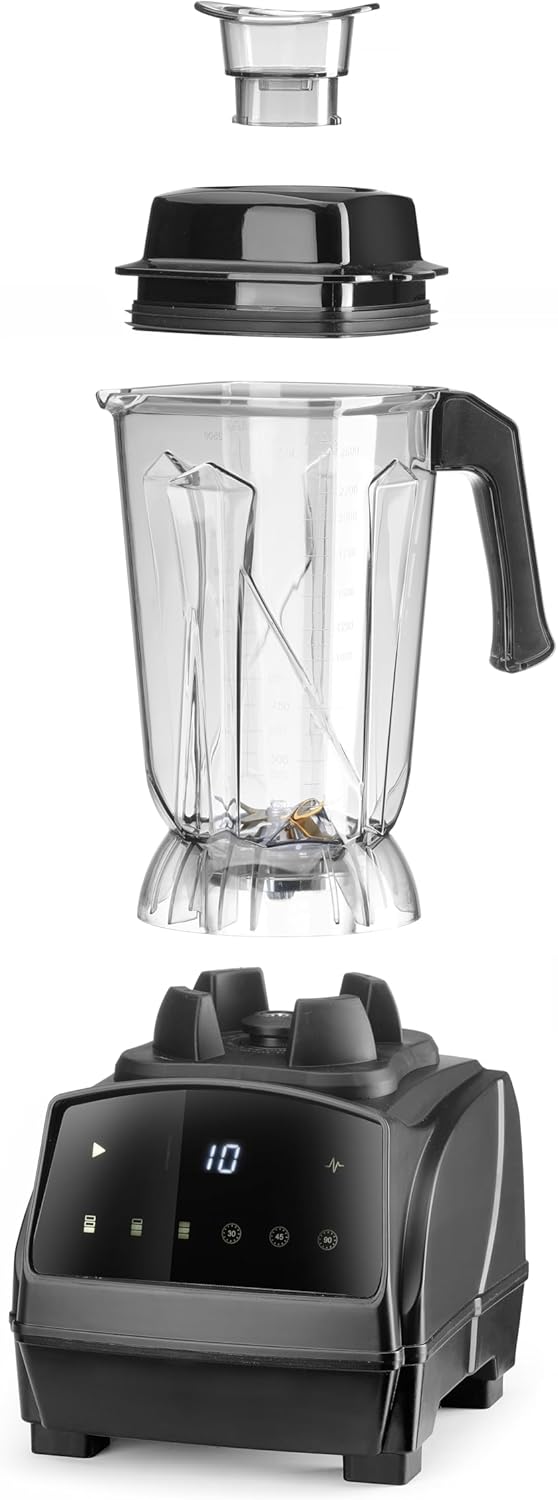
olusin 2: exploded View of Blender Components
This image illustrates the main components of the HENDI Blender: the motor base, the 2.5-liter pitcher with its integrated blade assembly, the lid, and the tamper.
4. Eto
Tẹle awọn igbesẹ wọnyi lati ṣeto idapọmọra rẹ fun lilo akọkọ:
- Yọọ kuro: Ni ifarabalẹ yọ gbogbo awọn paati kuro ninu apoti. Ṣe idaduro apoti fun ibi ipamọ iwaju tabi gbigbe.
- Mọ: Before first use, wash the pitcher, lid, and tamper with warm soapy water. Rinse thoroughly and dry. Wipe the motor base with a damp asọ.
- Ibi: Place the motor base on a stable, flat, and dry surface. Ensure there is adequate ventilation around the unit.
- Ṣe apejọ Pitcher: Ensure the blade assembly is securely attached to the bottom of the pitcher.
- Attach Pitcher to Base: Place the pitcher onto the motor base. Rotate it slightly until it clicks into place, engaging the safety locking system. The blender will not operate if the pitcher is not correctly seated.
- So agbara: Pulọọgi okun agbara sinu iṣan itanna to dara (230V).
5. Awọn ilana Iṣiṣẹ
Your HENDI Blender features an electronic touch panel for easy operation.
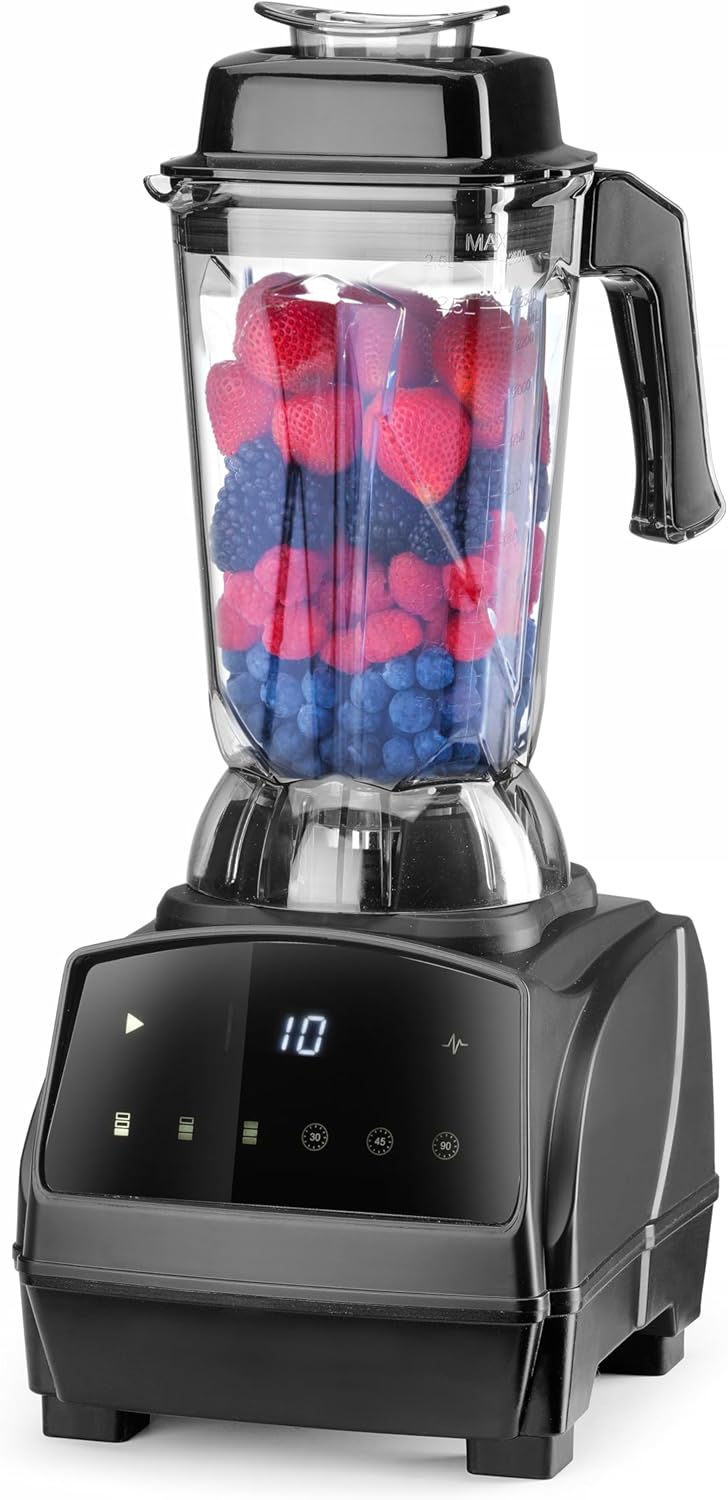
Figure 3: Blender Ready for Operation with Ingredients
This image shows the HENDI Blender with fresh berries inside the pitcher, demonstrating its readiness for blending various ingredients.
- Fi awọn eroja kun: Place your desired ingredients into the pitcher. Do not exceed the maximum fill line. For best results, add liquids first, then soft ingredients, and finally harder ingredients or ice.
- Ideri to ni aabo: Place the lid firmly onto the pitcher. Ensure the small cap is also in place or removed if using the tamper.
- Yan Iyara: Use the electronic touch panel to select one of the three speed levels:
- Kekere: Approximately 8,350 rpm
- Alabọde: Approximately 13,500 rpm
- Ga: Approximately 24,800 rpm
- Ṣeto Aago (Aṣayan): Choose one of the preset timer settings: 30, 45, or 90 seconds. The blender will automatically stop after the selected time.
- Bẹrẹ Idapọ: Press the start button on the touch panel.
- Lilo Tampnitori: If ingredients are not circulating, remove the small cap from the lid and use the tampEri lati Titari awọn eroja si ọna awọn abẹfẹlẹ. Never use fingers or other utensils.
- Iṣẹ́ Ọwọ́: For short bursts of power or to chop ingredients, use the pulse function. This provides maximum speed as long as the button is pressed.
- Duro Idapọ: Press the stop button or wait for the timer to complete.
- Remove Pitcher: Once blending is complete, unplug the blender and carefully remove the pitcher from the base.
6. Itọju ati Cleaning
Ṣiṣe mimọ nigbagbogbo ṣe idaniloju iṣẹ ṣiṣe ti o dara julọ ati fa igbesi aye idapọpọ rẹ pọ si.
- Yọọ: Yọọ idapọmọra nigbagbogbo kuro ninu iṣan agbara ṣaaju ṣiṣe mimọ.
- Tutu: Remove the pitcher, lid, and tamper from the motor base.
- Clean Pitcher and Blades:
- For easy cleaning, fill the pitcher halfway with warm water and a drop of dish soap. Secure the lid and run the blender on low speed for 30 seconds. Rinse thoroughly.
- For more thorough cleaning, carefully remove the blade assembly from the pitcher (if detachable). Wash the pitcher, lid, tamper, and blade assembly with warm soapy water. Use a brush for the blades, exercising extreme caution due to their sharpness.
- All removable parts are dishwasher safe (top rack recommended) or can be hand-washed.
- Ipilẹ mọto mimọ: Mu ese ipilẹ moto pẹlu rirọ, damp cloth. Do not immerse the motor base in water or spray it with water.
- Gbẹ Rí i dájú pé gbogbo àwọn ẹ̀yà ara ti gbẹ pátápátá kí o tó tún kó wọn jọ tàbí kí o fi ẹ̀rọ ìfọṣọ náà pamọ́.
- Ibi ipamọ: Store the blender in a clean, dry place, away from direct sunlight and heat.
7. Laasigbotitusita
If you encounter issues with your HENDI Blender, refer to the following common problems and solutions:
| Isoro | Owun to le Fa | Ojutu |
|---|---|---|
| Blender ko ni tan-an. |
|
|
| Motor ma duro nigba isẹ ti. |
|
|
| Awọn eroja ko dapọ laisiyonu. |
|
|
If the problem persists after trying these solutions, please contact HENDI customer support.
8. Awọn pato
| Ẹya ara ẹrọ | Ẹ̀kúnrẹ́rẹ́ |
|---|---|
| Brand | HENDI |
| Nọmba awoṣe | 238097 |
| Àwọ̀ | Dudu |
| Awọn iwọn (L x W x H) | 27 x 22.2 x 53.5 cm |
| Iwọn | 5.44 kg (5450 Milligrams) |
| Agbara | 2500 Milionu (2.5 liters) |
| Agbara | 1680 Wattis |
| Voltage | 230 Volts |
| Nọmba ti Awọn iyara | 3 (Kekere, Alabọde, Giga) |
| Ohun elo | Polypropylene, Plastic, Stainless Steel, Polycarbonate, ABS |
| Pataki Ẹya | Removable attachment (blade assembly) |
| Ilu isenbale | China |
9. Atilẹyin ọja ati Support
HENDI products are manufactured to high-quality standards. For information regarding warranty coverage, please refer to the warranty card included with your product or visit the official HENDI webojula.
Ilana Pada: This product is eligible for returns within 30 days of receipt, as per Amazon's return policy.
Atilẹyin Onibara: For technical assistance, spare parts, or service inquiries, please contact HENDI customer support through their official channels. Information regarding spare parts availability is currently unavailable through general product listings.
You can often find contact details on the manufacturer's webaaye tabi laarin apoti ọja.


