Ọrọ Iṣaaju
Thank you for choosing the Scheppach HS254 Table Saw. This powerful and versatile tool is designed for precise cutting of various wood materials, including beams, profile boards, and planks, as well as for longitudinal and miter cuts. Equipped with a 2200 W motor, soft start, and overload protection, it ensures efficient and safe operation.
This manual provides essential information for the safe assembly, operation, maintenance, and troubleshooting of your Scheppach HS254 Table Saw. Please read this manual thoroughly before initial use to ensure proper handling and to maximize the lifespan of your tool. Keep this manual for future reference.

Olusin 1: Pariview of the Scheppach HS254 Table Saw with its robust stand and extended table surface.
Awọn Itọsọna Aabo
Always observe the following safety precautions to prevent electric shock, fire, and serious injury. Familiarize yourself with all controls and proper use of the machine before operation.
- Aabo ti ara ẹni: Always wear appropriate personal protective equipment (PPE), including safety glasses, hearing protection, and a dust mask. Do not wear loose clothing or jewelry that could get caught in moving parts.
- Aabo Agbegbe Iṣẹ: Jeki agbegbe iṣẹ rẹ mọ ki o si tan daradara. Awọn agbegbe idamu tabi awọn agbegbe dudu n pe awọn ijamba. Ma ṣe ṣiṣẹ awọn irinṣẹ agbara ni awọn bugbamu bugbamu, gẹgẹbi niwaju awọn olomi ina, gaasi, tabi eruku.
- Aabo Itanna: Rii daju pe ipese agbara ibaamu voltage specified on the tool. Avoid body contact with earthed or grounded surfaces. Do not abuse the cord; never use it for carrying, pulling, or unplugging the power tool.
- Lilo ati Itọju: Maṣe fi agbara mu ohun elo agbara. Lo ohun elo agbara ti o pe fun ohun elo rẹ. Ge asopọ plug lati orisun agbara ṣaaju ṣiṣe eyikeyi awọn atunṣe, yiyipada awọn ẹya ẹrọ, tabi titoju awọn irinṣẹ agbara.
- Ààbò Pàtàkì Tábìlì:
- Always use the blade guard and splitter.
- Lo igi titari tabi titari idina nigba ṣiṣe awọn gige dín.
- Never reach over or behind the saw blade.
- Ensure the workpiece is firmly supported and guided.
- Do not remove cut-off pieces until the blade has stopped.
- Maintain a safe distance from the blade.
- Itọju: Regularly inspect the saw blade for sharpness and damage. Keep all guards and safety devices in place and in working order.
Package Awọn akoonu
Upon unpacking, verify that all components are present and undamaged. If any parts are missing or damaged, contact your dealer immediately.
- Scheppach HS254 Table Saw unit
- Saw blade (254 mm diameter, 24 teeth)
- Cross-cut gauge
- Longitudinal stop (rip fence)
- Titari igi
- Table extensions (left and right)
- Assembly hardware and tools (if applicable)
- Itọsọna olumulo
Eto ati Apejọ
The Scheppach HS254 Table Saw requires some assembly before first use. Follow these steps carefully to ensure proper and safe setup.
- Ṣii silẹ: Fi ìṣọ́ra yọ gbogbo àwọn ohun èlò inú àpótí náà kúrò. Pa àwọn ohun èlò ìdìpọ̀ mọ́ fún ìrìnàjò tàbí ìtọ́jú ọjọ́ iwájú.
- Iduro Iduro: Assemble the robust steel sheet base according to the provided diagrams. Ensure all bolts are securely tightened for stability.
- Mounting the Saw Unit: Securely attach the table saw unit to the assembled stand. Verify that it is stable and level.
- Installing Table Extensions: Attach the table extensions to both sides of the main table. These extensions are crucial for supporting larger workpieces.
- Fifi sori abẹfẹlẹ: If the saw blade is not pre-installed, follow the instructions to securely mount the 254 mm saw blade. Ensure the blade's rotation direction matches the arrow on the saw.
- Guard and Fence Installation: Install the blade guard, splitter, and both the cross-cut gauge and longitudinal stop (rip fence). Ensure they move freely and lock securely.
- Asopọ agbara: Connect the power cable to a suitable 230V AC power outlet. Ensure the power switch is in the "OFF" position before plugging in.
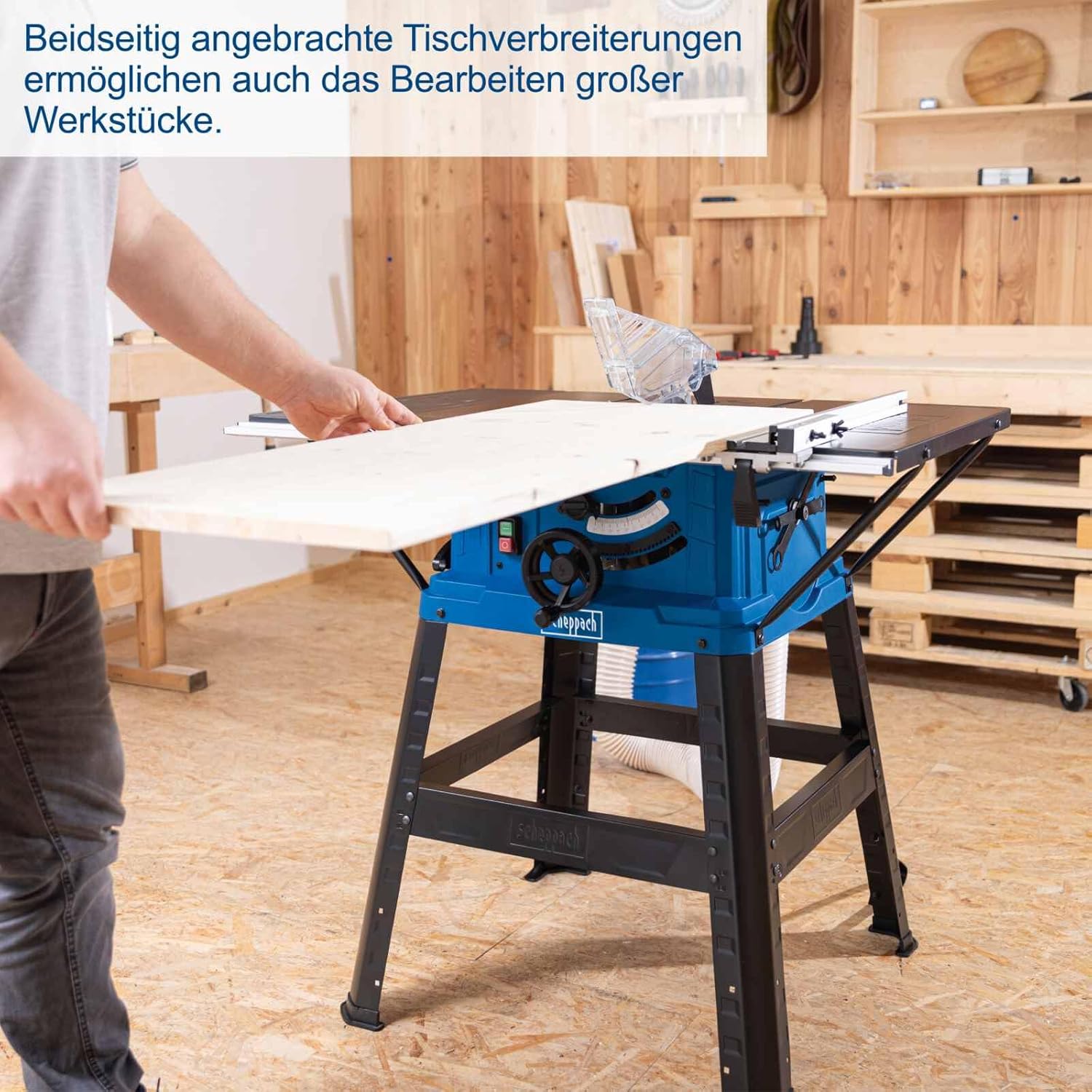
Figure 2: Table extensions installed, allowing for the processing of large workpieces.
Awọn ilana Iṣiṣẹ
This section details the operation of your Scheppach HS254 Table Saw for various cutting tasks.
1. Agbara lori / Paa
- To turn on the saw, press the green "ON" button. The 2200W motor features a soft start function for smooth power-up.
- To turn off the saw, press the red "OFF" button.
- The saw is equipped with overload protection to prevent damage to the motor. If the motor stops due to overload, turn off the saw, allow it to cool, and reduce the cutting load.

Figure 3: Illustration of the soft start function and blade rotation speed (5300 rpm).
2. Adjusting Blade Height
Use the handwheel to comfortably and continuously adjust the saw blade's height. For optimal cutting, the blade should extend slightly above the workpiece.
- Maximum cutting height at 90° is 85 mm.
- Maximum cutting height at 45° is 63 mm.
3. Adjusting Blade Angle (Miter Cuts)
The saw blade can be continuously tilted from 0° to 45° for precise miter cuts.
- Loosen the locking mechanism for angle adjustment.
- Use the angle scale to set the desired angle.
- Tighten the locking mechanism securely before cutting.

Figure 4: Adjusting the saw blade for precise miter cuts (0-45°).
4. Using the Rip Fence (Longitudinal Cuts)
The longitudinal stop (rip fence) is used for making accurate parallel cuts along the length of the workpiece.
- Position the rip fence to the desired width using the scale on the table.
- Lock the rip fence firmly in place.
- Always use a push stick when feeding the workpiece, especially for narrow cuts.

Figure 5: Close-up of the rip fence and continuous scale for precise workpiece processing.
5. Using the Cross-Cut Gauge
The cross-cut gauge is adjustable from -60° to +60° and is ideal for precise cross-cuts and angled cuts across the width of the workpiece.
- Insert the cross-cut gauge into the miter slot on the table.
- Adjust the angle as required and lock it.
- Hold the workpiece firmly against the gauge and feed it smoothly through the blade.

Olusin 6: Examples of cuts: beams, profile boards, longitudinal cuts, miter cuts, and general board cuts.
6. Yíyọ eruku kúrò
The Scheppach HS254 features an integrated connection for dust extraction. Connect a suitable dust extractor to keep your work area clean and reduce airborne dust.
Itoju
Itọju deedee n ṣe idaniloju pe o pẹ to ati pe o le ṣiṣẹ lailewu fun tabili rẹ.
- Ninu: After each use, disconnect the saw from power and clean off sawdust and debris from the table, blade guard, and motor housing. Use a brush or compressed air.
- Ayẹwo abẹfẹlẹ: Regularly check the saw blade for sharpness, missing teeth, or cracks. A dull or damaged blade can cause kickback and poor cut quality. Replace damaged blades immediately.
- Lubrication: Periodically lubricate moving parts such as the blade height and angle adjustment mechanisms as recommended in the full service manual (if applicable).
- Ṣayẹwo Fastener: Lokọọkan ṣayẹwo gbogbo awọn eso, awọn boluti, ati awọn skru fun wiwọ. Mu eyikeyi alaimuṣinṣin fasteners.
- Ibi ipamọ: Store the table saw in a dry, secure location, out of reach of children and unauthorized users.
Laasigbotitusita
Abala yii n ṣalaye awọn ọran ti o wọpọ ti o le ba pade pẹlu wiwa tabili rẹ.
| Isoro | Owun to le Fa | Ojutu |
|---|---|---|
| Rin ko bẹrẹ | No power supply; Overload protection tripped; Faulty switch | Check power connection and circuit breaker; Allow motor to cool and reset; Contact qualified service personnel. |
| Motor overheats | Overloading the motor; Dull blade; Insufficient ventilation | Reduce cutting load; Replace or sharpen blade; Ensure ventilation openings are clear. |
| Awọn gige ti ko pe | Blade not aligned; Fence not parallel; Loose components; Dull blade | Check blade alignment; Adjust fence parallelism; Tighten all fasteners; Replace or sharpen blade. |
| Gbigbọn ti o pọju | Loose blade; Damaged blade; Unstable stand; Loose motor mounts | Tighten blade arbor nut; Replace damaged blade; Ensure stand is stable and on a level surface; Check motor mounting bolts. |
Awọn pato
| Ẹya ara ẹrọ | Iye |
|---|---|
| Nọmba awoṣe | 5901326901 |
| Agbara | 2200 Wattis |
| Voltage | 230 Volt (AC) |
| Blade Opin | 254 mm |
| Blade Speed | 5300 rpm |
| Gíga Gígé Tó Pọ̀ Jùlọ (90°) | 85 mm |
| Gíga Gígé Tó Pọ̀ Jùlọ (45°) | 63 mm |
| Blade pulọọgi Range | 0° si 45° |
| Cross-Cut Gauge Adjustment | -60° to +60° |
| Awọn iwọn Tabili (L x W x H) | 93.5 x 93 x 100 cm (with extensions) |
| Iwọn | 23 kilo |
| Orisun agbara | Okun Itanna |
| Ohun èlò (Ìmú/Ìmú) | Ṣiṣu |
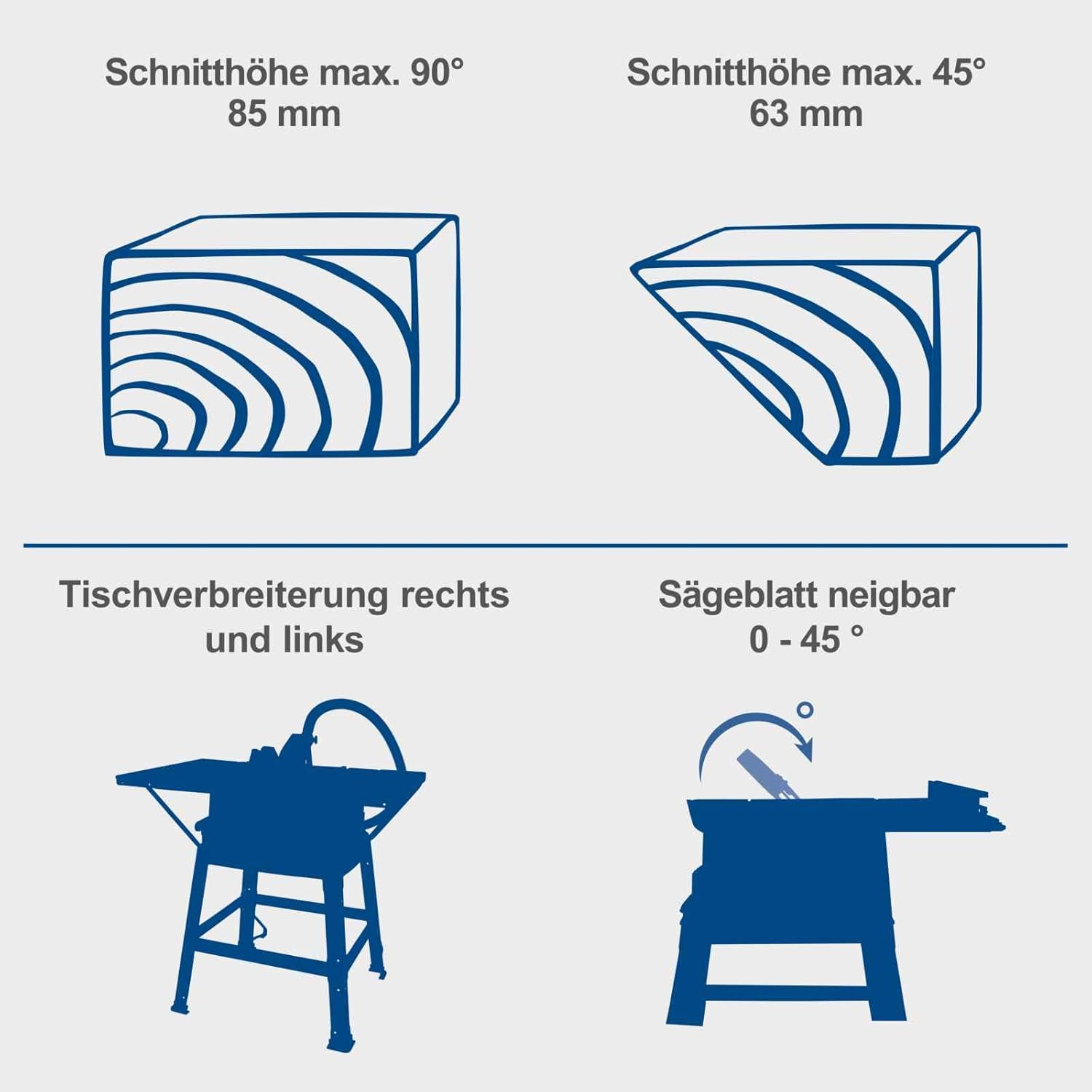
Figure 7: Visual representation of maximum cutting heights at 90° and 45°, and blade tilt range.
Atilẹyin ọja ati Support
Scheppach products are manufactured to high quality standards. In the unlikely event of a defect, please refer to your purchase documentation for warranty details. For technical support, spare parts, or service inquiries, please contact your authorized Scheppach dealer or visit the official Scheppach webojula fun alaye olubasọrọ.
Please have your model number (HS254 / 5901326901) and purchase date available when contacting support.


