1. Ifihan
The Korg nanoKEY Fold is a highly portable and versatile 25-key MIDI keyboard controller designed for musicians and producers on the go. Its unique foldable design allows it to fit comfortably in a pocket, making it an ideal companion for creating music anywhere. This manual provides essential information for setting up, operating, and maintaining your nanoKEY Fold.

Figure 1: Korg nanoKEY Fold in its unfolded state, showcasing the full keyboard layout.
2. Ọja Ipariview ati Awọn ẹya ara ẹrọ
The nanoKEY Fold combines a compact form factor with robust functionality, offering a seamless experience for music creation. Key features include:
- Unique Foldable Design: Allows for extreme portability, fitting easily into small bags or pockets.
- Awọn bọtini idakẹjẹ: Membrane keyboard technology provides a solid feel with minimal audible noise, suitable for discreet use.
- Abundant Performance Functions: Includes built-in features such as scale guides, chord mode, arpeggiator, assignable touch sliders, split mode, and memory slots for enhanced creative control.
- USB-C and TRS-MIDI Compatibility: Offers versatile connectivity options for smartphones, tablets, computers, and traditional MIDI sound sources.
- Aṣa ati Oniruuru: Available in multiple vibrant color variations to suit personal preferences.

olusin 2: Overhead view of the nanoKEY Fold, highlighting the key and control button layout.
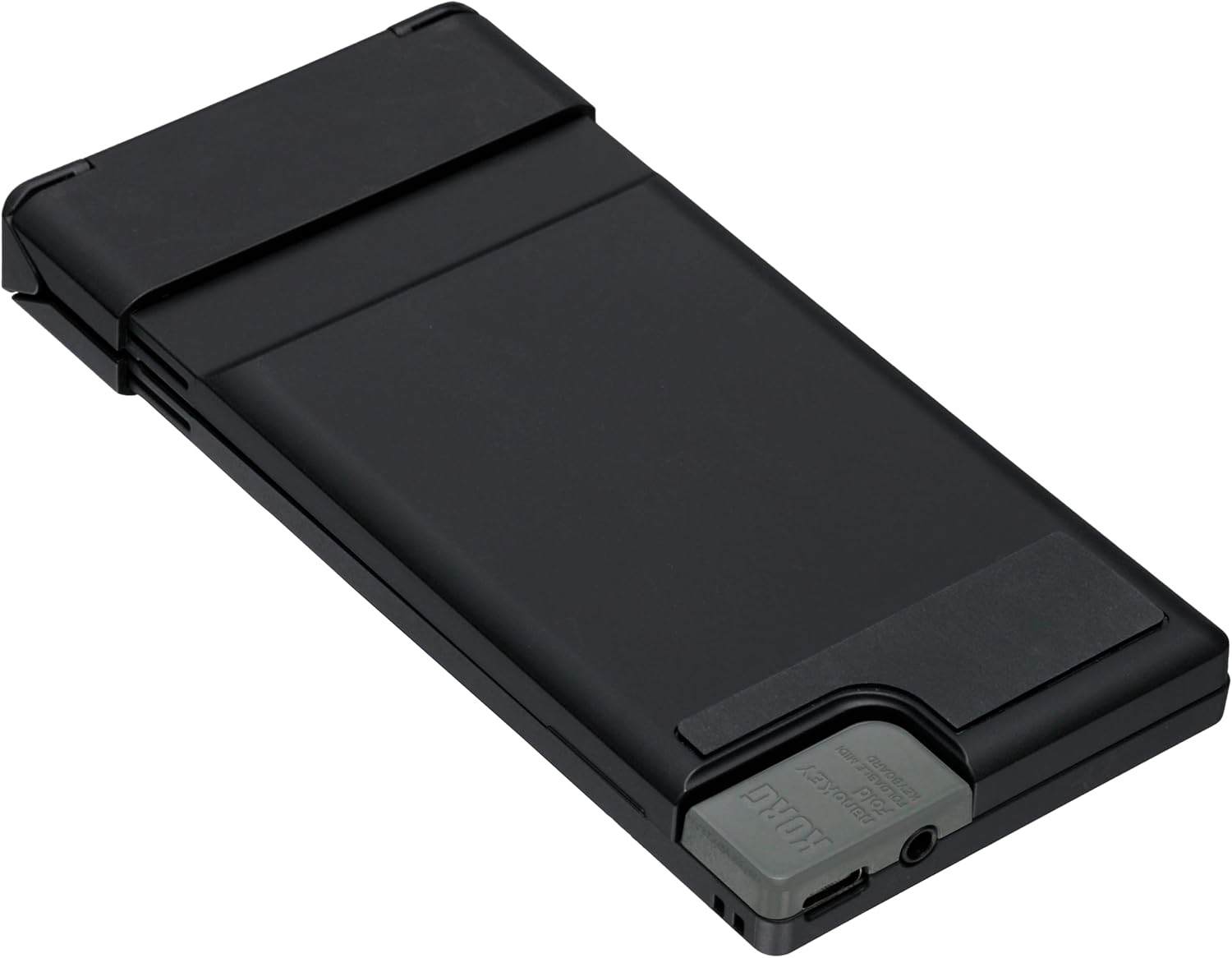
Figure 3: The nanoKEY Fold in its compact, folded configuration for easy transport.
3. Eto
To begin using your Korg nanoKEY Fold, follow these simple setup steps:
- Ṣii Ẹrọ naa: Gently unfold the nanoKEY Fold until it lies flat and the keyboard sections are aligned.
- So Agbara ati Data pọ: Use a USB-C cable to connect the nanoKEY Fold to your computer (PC/Mac), smartphone, or tablet. The device is plug-and-play, meaning it should be recognized automatically by most operating systems.
- TRS-MIDI Connection (Optional): For connecting to external MIDI hardware, use the included TRS to 5-pin MIDI converter cable. Connect the TRS end to the nanoKEY Fold's TRS-MIDI port and the 5-pin DIN end to your MIDI device's input.
- Fifi sori ẹrọ software: While the nanoKEY Fold is plug-and-play, Korg recommends using the Korg Kontrol Editor software for advanced customization and configuration of the controller's functions. This software can be downloaded from the official Korg webojula.

Nọmba 4: Alaye view of the USB-C and TRS-MIDI ports on the nanoKEY Fold.

Figure 5: The nanoKEY Fold in use, connected to a laptop for music production.
4. Awọn ilana Iṣiṣẹ
The nanoKEY Fold offers a range of functions to enhance your musical expression:
- Iṣagbewọle Keyboard: The 25 membrane keys provide a responsive interface for playing notes.
- Scale Guides: Utilize the integrated scale guide feature to assist with playing in specific musical scales. Refer to the Korg Kontrol Editor software for detailed configuration.
- Ipo Kọọdu: Activate chord mode to trigger full chords with a single key press, simplifying harmonic progressions.
- Apeggiator: Engage the arpeggiator to automatically play arpeggiated patterns based on the notes you hold.
- Assignable Touch Sliders: The touch sliders can be assigned to control various parameters within your music software, such as pitch bend, modulation, or other MIDI CC messages.
- Ipo Pipin: Divide the keyboard into different sections, allowing for simultaneous control of multiple instruments or parameters.
- Iho iranti: Save your preferred settings and configurations to memory slots for quick recall during performances or production sessions.
For detailed instructions on configuring and utilizing each performance function, please consult the Korg Kontrol Editor software manual or the official Korg support resources.
5. Itọju
Proper care will ensure the longevity and optimal performance of your nanoKEY Fold:
- Ninu: Use a soft, dry cloth to wipe down the surface of the device. Avoid abrasive cleaners, solvents, or excessive moisture, which can damage the finish and internal components.
- Ibi ipamọ: When not in use, fold the nanoKEY Fold into its compact state to protect the keys and controls. Store it in a cool, dry place away from direct sunlight, extreme temperatures, and high humidity.
- Mimu: While designed for portability, handle the device with care, especially the folding mechanism. Avoid dropping or applying excessive force to the unit.
- Awọn ibudo Asopọmọra: Keep the USB-C and TRS-MIDI ports free of dust and debris.
6. Laasigbotitusita
If you encounter issues with your nanoKEY Fold, consider the following common troubleshooting steps:
- Ohun elo Ko Damọ: Ensure the USB-C cable is securely connected to both the nanoKEY Fold and your computer/device. Try a different USB port or cable. Restart your computer or music software.
- Ko si Ijade ohun: Verify that your music software or MIDI device is correctly configured to receive MIDI input from the nanoKEY Fold. Check volume levels in your software and audio output device.
- Incorrect Note/Parameter Control: If the keys or sliders are not responding as expected, check the settings within the Korg Kontrol Editor software. Ensure the correct MIDI channel is selected.
- Asopọmọra igba diẹ: Avoid placing the device near strong electromagnetic interference. Ensure cables are not damaged.
If problems persist, refer to the Korg support website or contact Korg customer service for further assistance.
7. Awọn pato
| Sipesifikesonu | Ẹ̀kúnrẹ́rẹ́ |
|---|---|
| Orukọ awoṣe | nanoKEY Fold |
| Nọmba Awoṣe Nkan | NANOKEY-FD BK |
| Nọmba ti Keyboard Keyboard | 25 |
| Asopọmọra Technology | USB |
| Asopọmọra Iru | USB-C, TRS-MIDI |
| Ni wiwo Hardware | USB Iru C |
| Awọn ẹrọ ibaramu | Smartphone, Tablet, Laptop, PC, Music Production Software |
| Hardware Platform | PC/Mac, iOS, Android |
| Software atilẹyin | Korg Kontrol Editor |
| Iwọn Nkan | 6.7 iwon |
| Ọja Mefa | 5.79 x 0.67 x 2.87 inches (ti ṣe pọ) |
| Orukọ awọ | Black/White (This specific model) |
Kini o wa ninu apoti:
- TRS to 5-pin MIDI converter cable
8. Atilẹyin ọja ati Support
For information regarding the product warranty, please refer to the warranty card included with your purchase or visit the official Korg website. Korg provides comprehensive support resources, including FAQs, driver downloads, and contact information for technical assistance.
Official Korg Webojula: www.korg.com


