1. Ifihan
This user manual provides essential information for the safe and effective operation, maintenance, and troubleshooting of your Oasser Airbrush Kit with Air Compressor. Please read this manual thoroughly before first use and retain it for future reference.
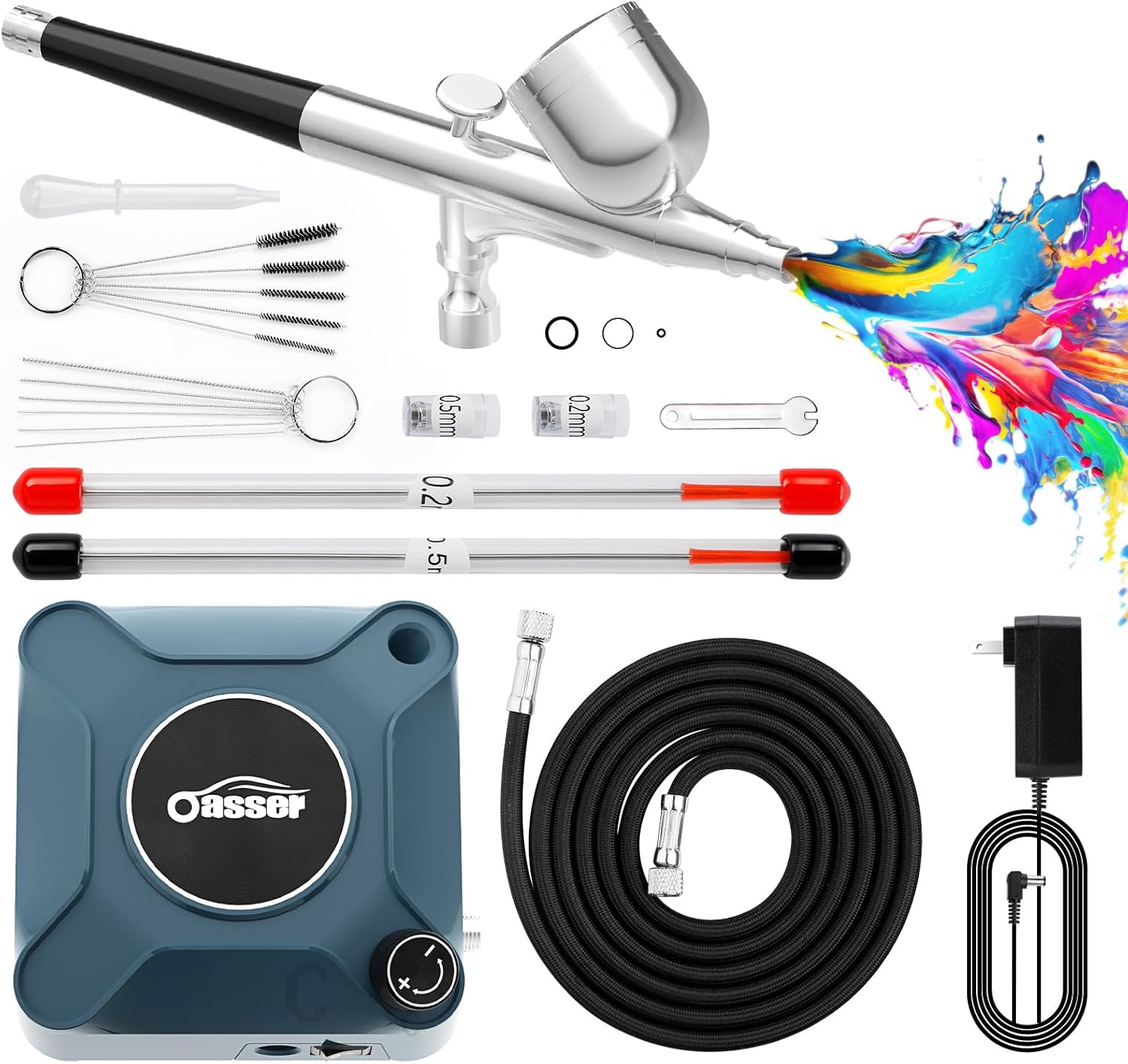
Figure 1: Complete Oasser Airbrush Kit components.

Nọmba 2: Alaye view of the Oasser Airbrush Kit contents.
2. Awọn ilana aabo
- Always operate the airbrush in a well-ventilated area to avoid inhaling paint fumes.
- Wear appropriate personal protective equipment (PPE), including a respirator, safety glasses, and gloves.
- Keep the air compressor away from water or other liquids to prevent electric shock.
- Ensure the power supply matches the specifications of the air compressor.
- Do not use the airbrush for food-related purposes if it has been used for chemical spraying.
- Jeki kuro ni arọwọto awọn ọmọde.
- Nigbagbogbo ge asopọ agbara ṣaaju ṣiṣe mimọ tabi ṣiṣe itọju.
3. Eto
Follow these steps to set up your Oasser Airbrush Kit:
- So Air Hose: Securely connect one end of the air hose to the air outlet on the compressor and the other end to the air inlet on the airbrush gun. Ensure connections are tight to prevent air leaks.

Figure 3: Air hose connection to the compressor and airbrush.
- So agbara: Plug the 12V DC adapter into the compressor's power input, then plug the adapter into a suitable electrical outlet.
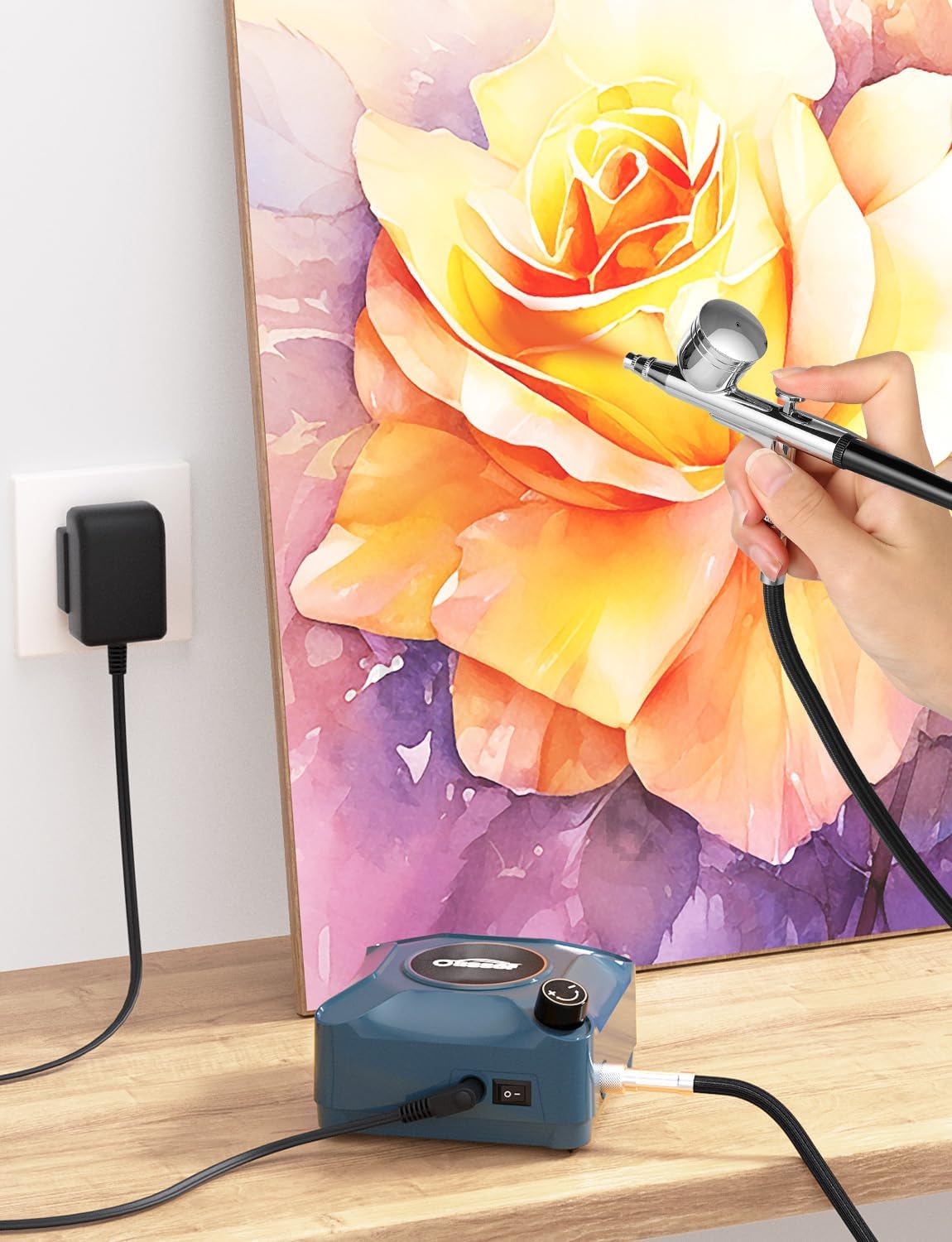
Figure 4: Compressor connected to power.
- Tan kompressor: Flip the power switch on the compressor to the "ON" position. The compressor will start operating.
- Fill Paint Cup: Open the lid of the airbrush paint cup and carefully pour your diluted paint into the cup. Do not overfill.
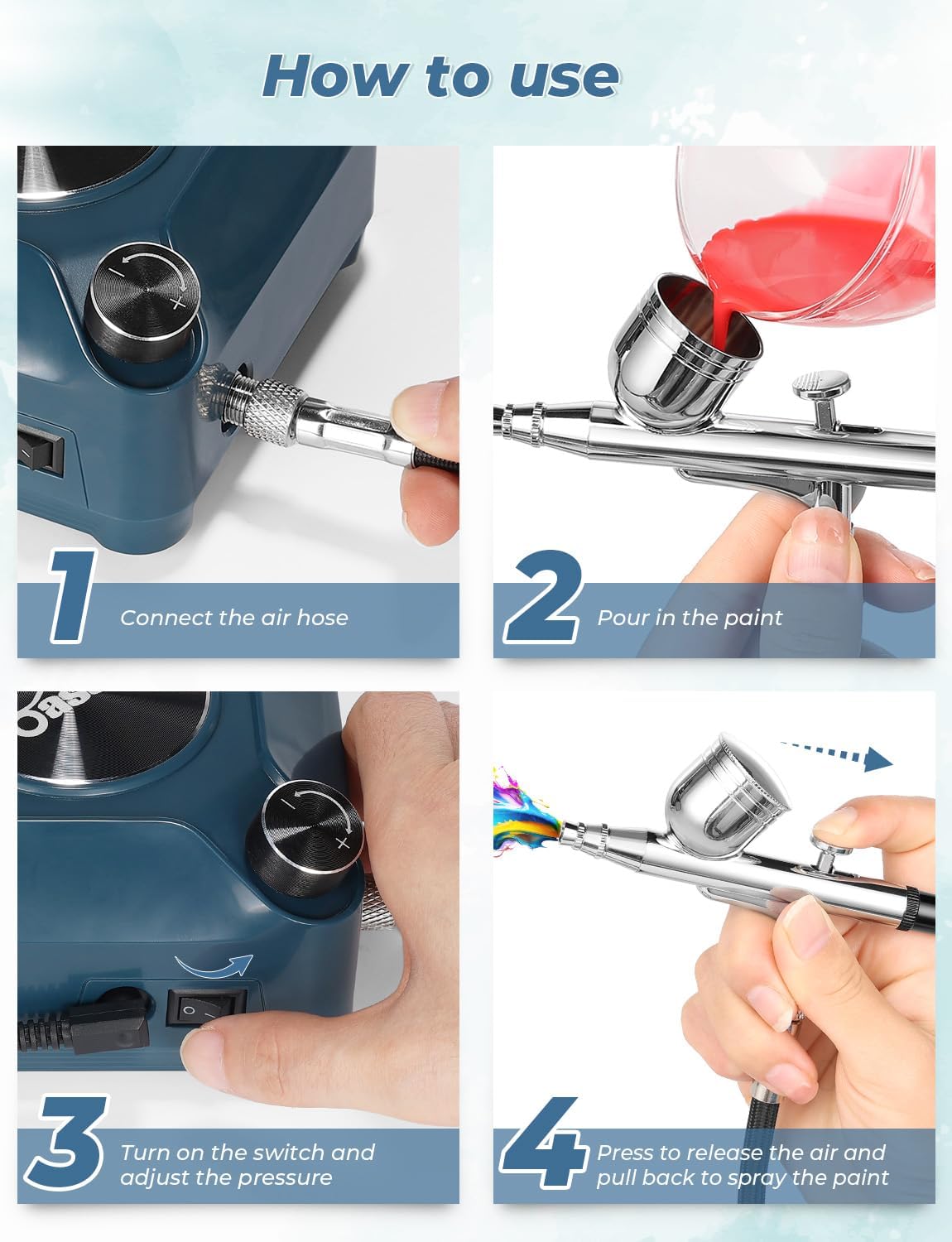
Figure 5: Steps for connecting and filling the airbrush.
Video Guide: Installation Steps
Video 1: Visual guide demonstrating the installation steps for the Oasser Airbrush Kit.
4. Awọn ilana Iṣiṣẹ
Meji-Action Isẹ
The Oasser Airbrush features a dual-action trigger for precise control over both air and paint flow:
- To release air only, press the trigger vertically downwards.
- To spray paint, press the trigger vertically downwards and then pull it back. Pulling the trigger further back increases the paint flow.

Figure 6: Dual-action airbrush operation.
Atunse titẹ
The compressor features a stepless pressure adjustment knob, allowing you to fine-tune the airflow from 2 PSI to 40 PSI. Rotate the knob to achieve the desired pressure for your specific application.

Figure 7: Stepless pressure regulation from 2-40 PSI.
Nozzle and Needle Selection
The kit includes multiple nozzles and needles (0.2mm, 0.3mm, 0.5mm) to accommodate various spraying needs:
- 0.2mm Nozzle/Needle: Ideal for very fine details and delicate work, such as nail art or intricate model painting.
- 0.3mm Nozzle/Needle: A versatile size suitable for general purpose airbrushing, including makeup, crafts, and medium-sized models.
- 0.5mm Nozzle/Needle: Best for larger areas, base coats, or when using thicker paints, providing broader coverage.
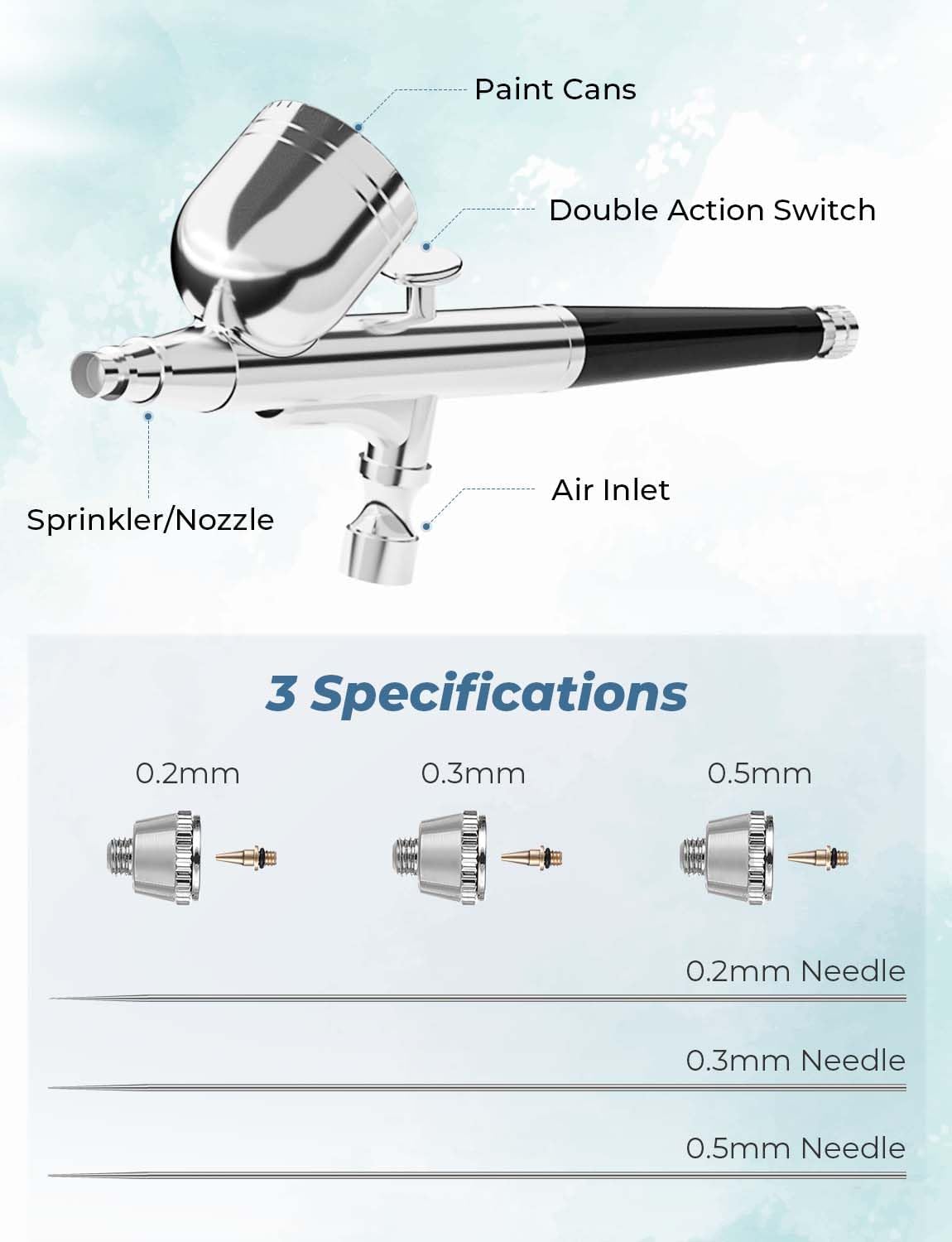
Figure 8: Airbrush components and available nozzle sizes.
Paint Dilution: Always dilute your paint to a milk-like consistency for optimal flow and to prevent clogging. Different paint types may require different thinning ratios.

Figure 9: Airbrush in use for makeup application.
5. Itọju
Proper cleaning and maintenance are crucial for the longevity and performance of your airbrush kit. Always clean the airbrush immediately after each use, especially when changing colors or finishing a session.
Ilana mimọ
- Ife Kun Ofo: Discard any remaining paint from the cup.
- Add Cleaning Agent: Pour a small amount of appropriate airbrush cleaner or water (depending on paint type) into the paint cup.
- Ìfàsẹ́yìn-Fífọ́: Cover the nozzle with your finger or a cap and gently pull back the trigger. This will force air back into the paint cup, creating bubbles that help clean the inside.
- Spray Through: Spray the cleaning solution through the airbrush onto a paper towel or into a waste container until the spray runs clear.
- Tun: Repeat steps 2-4 until no paint residue is visible.
- Fifọ daradara: For a more thorough cleaning, especially after using thicker paints or if clogging occurs, disassemble the airbrush components (nozzle, needle, cap) and clean them individually using the provided cleaning brushes and needles.
- Lubrication: Occasionally apply a small amount of airbrush lubricant to the needle packing and trigger mechanism to ensure smooth operation.
Pataki: Never force the needle into the airbrush. If resistance is felt, re-check for blockages or misalignment.
6. Laasigbotitusita
| Isoro | Owun to le Fa | Ojutu |
|---|---|---|
| No air from nozzle | Compressor off, hose disconnected, nozzle clogged. | Check power, reconnect hose, clean nozzle. |
| No paint flow / Splattering | Paint too thick, nozzle clogged, needle bent, air pressure too low. | Dilute paint, clean nozzle/needle, replace bent needle, increase air pressure. |
| Àwọn nọ́ńbà afẹ́fẹ́ nínú ago kíkún | Nozzle cap loose, nozzle clogged, bent nozzle. | Tighten nozzle cap, clean nozzle, replace nozzle. |
| Konpireso ko titan | Power adapter disconnected, power switch off, faulty adapter/compressor. | Check power connections, ensure switch is ON, contact support if issue persists. |
7. Awọn pato
- Awọn iwọn ọja: 4.9 x 4.9 x 2.9 inches
- Nọmba Awoṣe Nkan: AK2-2
- Ìwọ̀n Nkan: 2.09 iwon
- Olupese: Olutọju
- Ilu isenbale: China
- Ipa ti o pọju: 40 PSI
- Ilọ afẹfẹ ti o pọju: 10.5 L/min
- Nozzle Sizes Included: 0.2mm, 0.3mm, 0.5mm
8. Atilẹyin ọja ati Support
For warranty information, technical support, or any inquiries regarding your Oasser Airbrush Kit, please contact Oasser customer service through the retailer where the product was purchased or visit the official Oasser webaaye fun awọn alaye olubasọrọ.


